Ethiopia Renewed Its Call For Red Sea Access. Prime Minister Abiy Ahmed said securing a port is vital to Ethiopia's future after the country lost its direct Red Sea outlet when Eritrea became independent in 1993. The statement comes amid renewed fighting in Tigray, accusations between Ethiopia and Eritrea, and a continuing dispute over the Grand Ethiopian Renaissance Dam with Egypt and Sudan. The UN and AU have urged calm and dialogue to avoid wider regional conflict.
Ethiopia Once More Demands Red Sea Access as Regional Tensions Mount
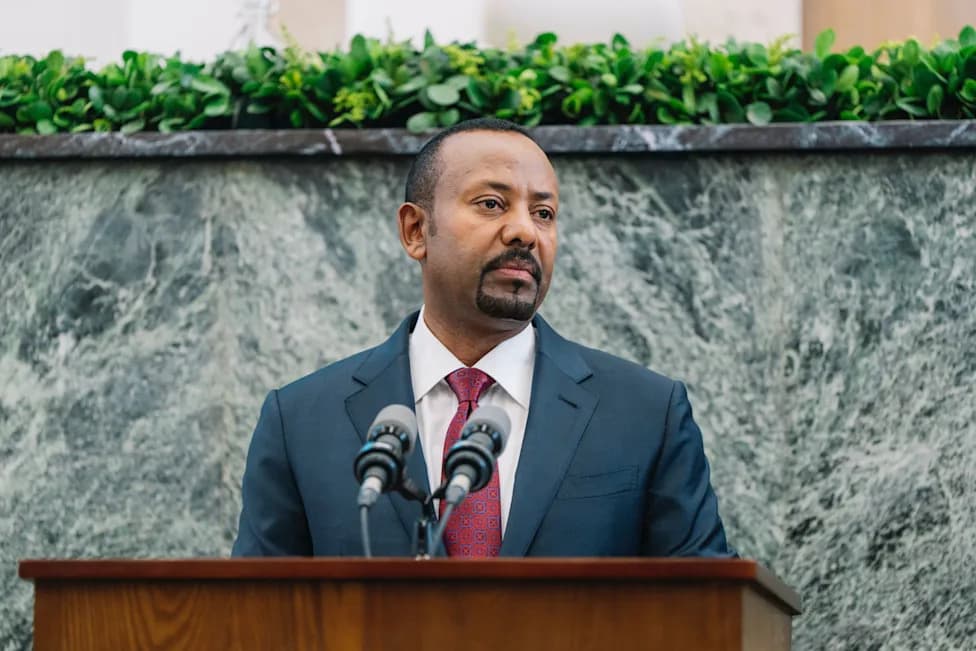
Ethiopian Prime Minister Abiy Ahmed speaks during a session of the Ethiopian Parliament in Addis Ababa, Ethiopia, Monday, Oct. 5, 2026. (Ethiopian Prime Minster's Office via AP)(Ethiopian Prime Minster's Office via AP)
Ethiopian Prime Minister Abiy Ahmed on Monday reiterated his government's determination that landlocked Ethiopia must secure access to the Red Sea, a move that has heightened tensions with neighboring states. The statement followed a regional summit in which coastal countries insisted that governance of the Red Sea is the responsibility of littoral states and warned that the dispute could escalate into wider conflict.
Ethiopia lost its direct outlet to the Red Sea in 1993 when Eritrea, formerly a province of Ethiopia, became an independent state. Speaking shortly after being sworn in for a third term, Abiy described sea access as central to Ethiopia's identity and economic future and pledged to pursue a port through "give and take."
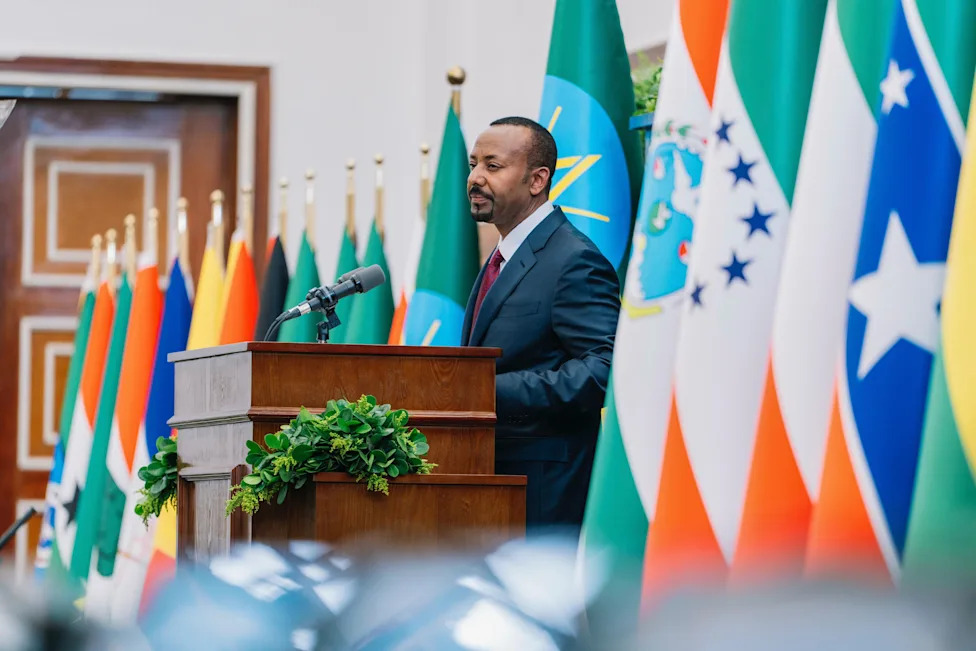
Ethiopian Prime Minister Abiy Ahmed speaks during a session of the Ethiopian Parliament in Addis Ababa, Ethiopia, Monday, Oct. 5, 2026. (Ethiopian Prime Minster's Office via AP)(Ethiopian Prime Minster's Office via AP)
Domestic and regional pressures
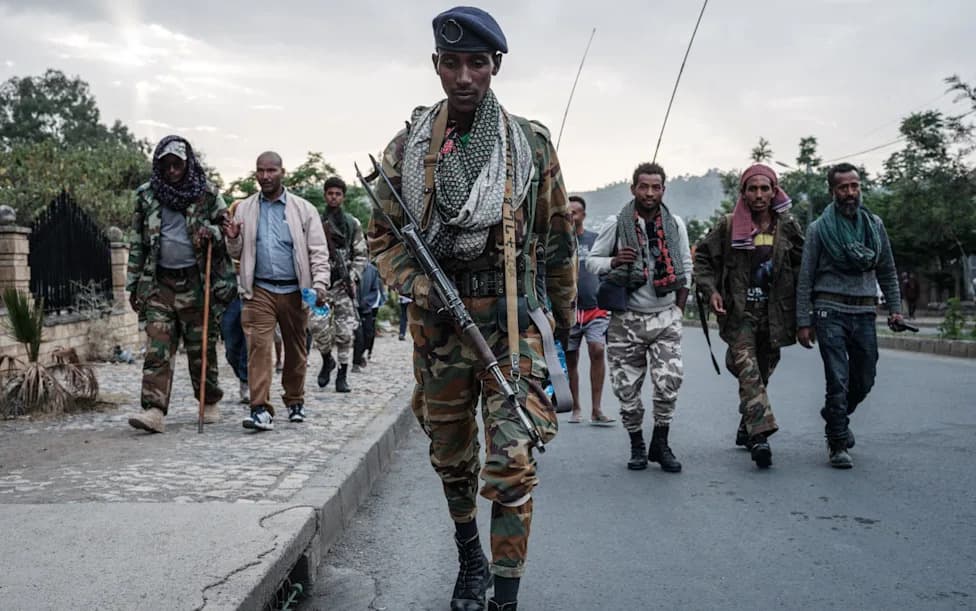
Relations between Addis Ababa and several neighbors have deteriorated in recent months. At home, the federal government faces renewed clashes with forces from the Tigray People's Liberation Front (TPLF) in the northern Tigray region. That region was the scene of a brutal, two-year conflict that formally ended in 2022; researchers at Ghent University estimate roughly 500,000 civilian deaths from violence, famine and the collapse of health services during that period.
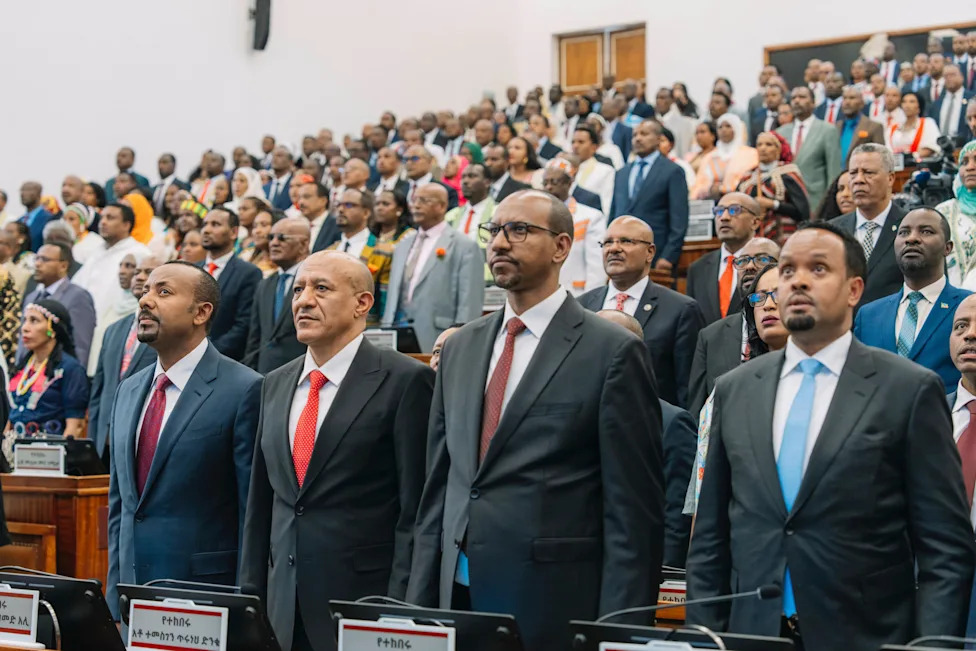
Members of the parliament stand during the national anthem at a session of the Ethiopian Parliament in Addis Ababa, Ethiopia, Monday, Oct. 5, 2026. (Ethiopian Prime Minster's Office via AP)(Ethiopian Prime Minster's Office via AP)
During the Tigray war, Eritrean troops fought alongside Ethiopian federal forces. Addis Ababa has more recently accused Eritrea of backing the TPLF and of seeking political support from Egypt and Sudan. Eritrea, in turn, has accused Ethiopia of attempting to secure sea access through Eritrean territory.
Broader geopolitical disputes
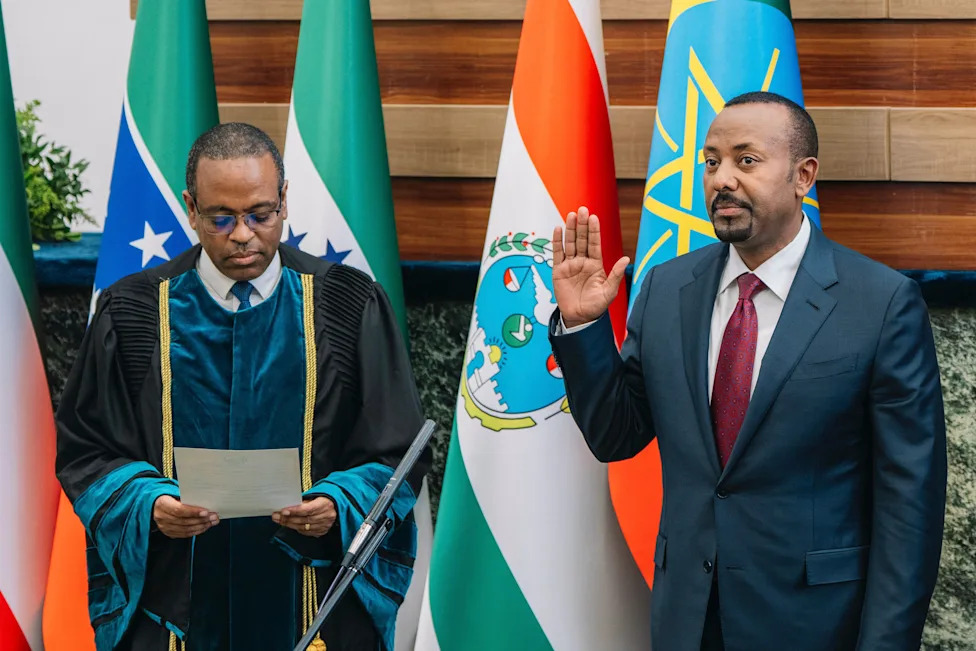
Ethiopian Prime Minister Abiy Ahmed raises his hand as he is sworn in during a session of the Ethiopian Parliament in Addis Ababa, Ethiopia, Monday, Oct. 5, 2026. (Ethiopian Prime Minster's Office via AP)(Ethiopian Prime Minster's Office via AP)
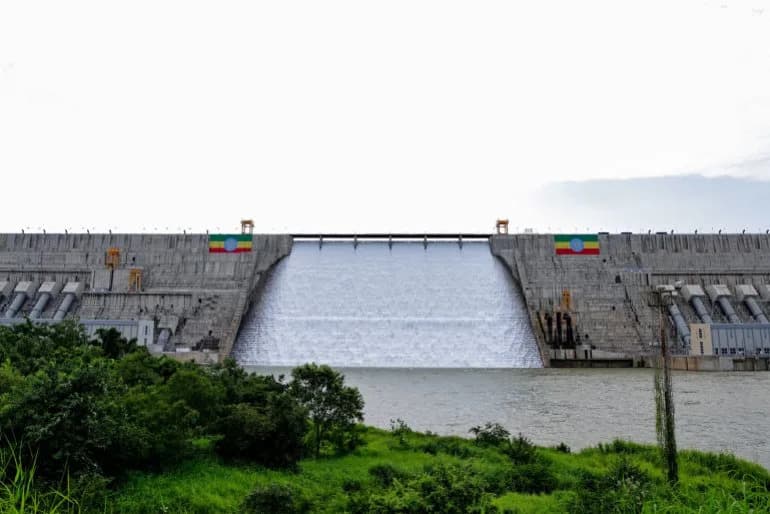
Another major source of tension is the dispute over Ethiopia's Grand Ethiopian Renaissance Dam (GERD) on the Blue Nile, which has strained relations with downstream neighbors Egypt and Sudan that depend on Nile waters. Ethiopia's Foreign Ministry on Monday said talks about the Nile and the Red Sea must reflect geographic realities, noting that the Blue Nile originates in Ethiopia and that the country lies close to the Red Sea coast.
Delegations from Egypt, Eritrea, Sudan and Somalia met Sunday in New Alamein, Egypt, where they urged cooperation and affirmed that governance of the Red Sea should remain with its coastal states. They also rejected any actions that might affect the Nile water usage of Egypt and Sudan.
The recent spike in tensions followed the expulsion of an Egyptian diplomat, who was declared persona non grata. The United Nations and the African Union have expressed concern about the growing friction and urged all parties to pursue dialogue and peaceful resolution.
"Based on the principle of give and take, we will work diligently to ensure that Ethiopia has an outlet to the sea," Prime Minister Abiy said after his swearing-in.
While Ethiopia emphasizes its commitment to peaceful engagement and diplomacy, officials stress they will defend the country's sovereignty and national interests as they press for greater economic access and security in the region.
Help us improve.