The article warns that renewed fighting in Ethiopia—led by a coalition headed by the TPLF and backed by regional militias—risks wider regional destabilization. Clashes have hit a key corridor to Djibouti and drone strikes targeted an airbase near Addis Ababa, even as government forces say they have retaken Mekelle. Reports of covert backing from neighboring states and a perceived U.S. tilt toward economic engagement over neutral peacemaking raise fears the conflict could internationalize, threatening humanitarian access and regional security.
Washington's Tilt in Ethiopia's New War Could Deepen a Regional Crisis

Washington has picked a side in Ethiopia's new war
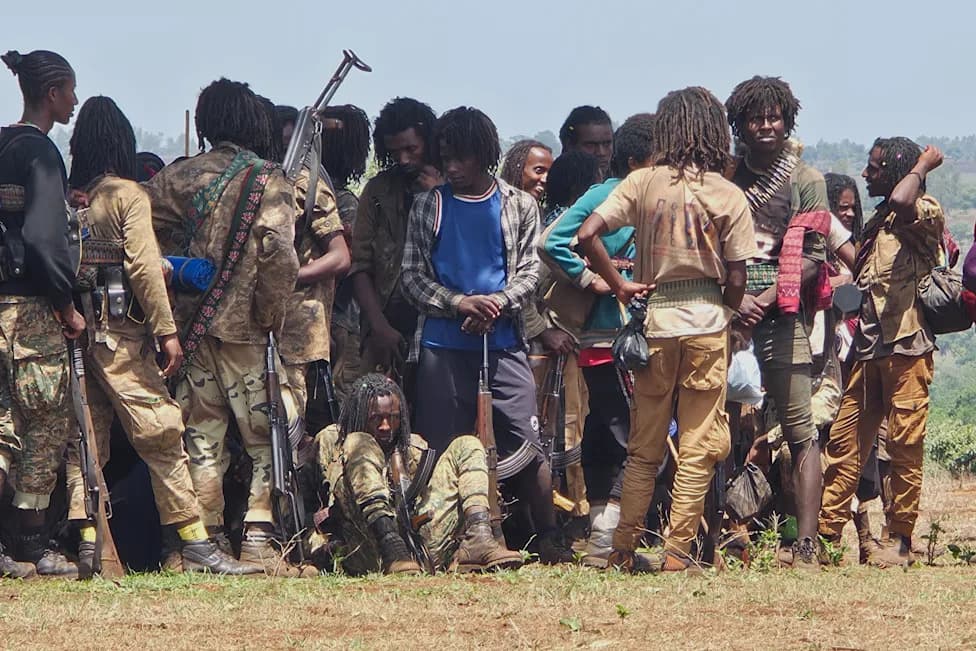
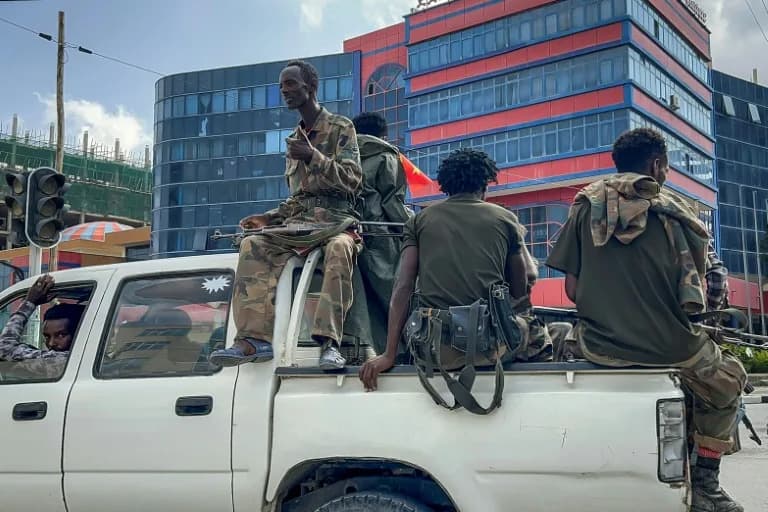
Alarm is rising across the Horn of Africa as a fragile internal conflict in Ethiopia shows signs of becoming a regional crisis. A week after seven opposition groups announced an alliance to challenge Prime Minister Abiy Ahmed, fighting has erupted in multiple regions of the country of about 130 million people. The Tigrayan People’s Liberation Front (TPLF) leads the coalition, and militias from the Amhara and Oromia regions have pledged support.
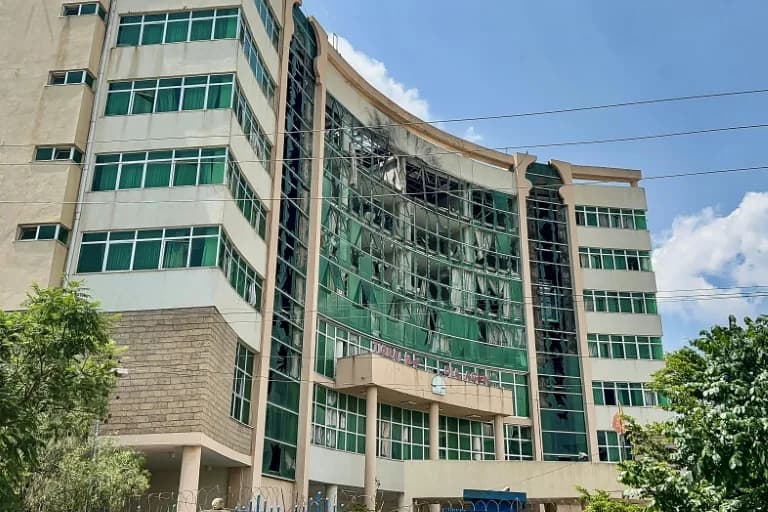
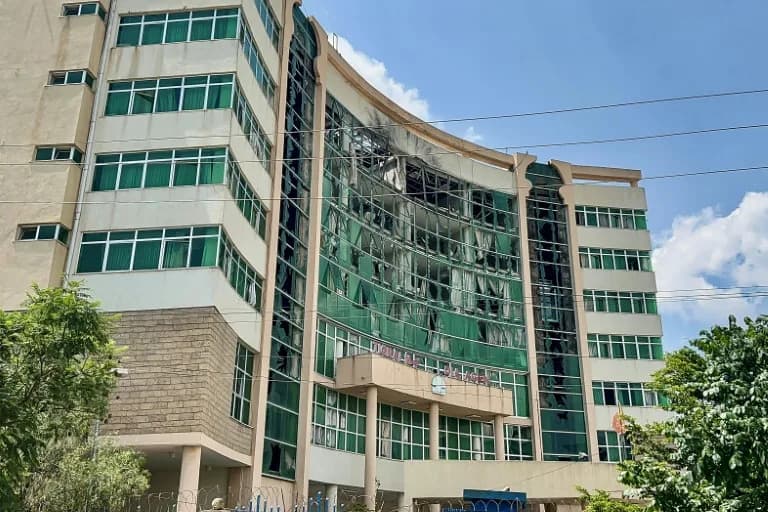
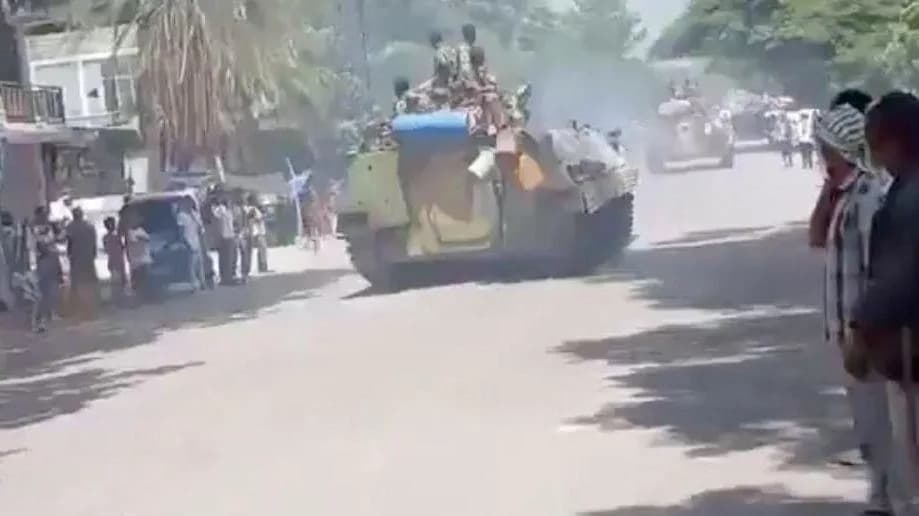
Initial clashes struck a strategic commercial corridor heading east toward the port of Djibouti, and drone strikes were reported near the Ethiopian National Defense Force’s main airbase outside Addis Ababa. These attacks on economic and military infrastructure indicate a tactical shift: although Tigrayan forces are militarily weaker than during the 2020–2022 war, they retain the capacity to impose asymmetric pressure on the federal government.
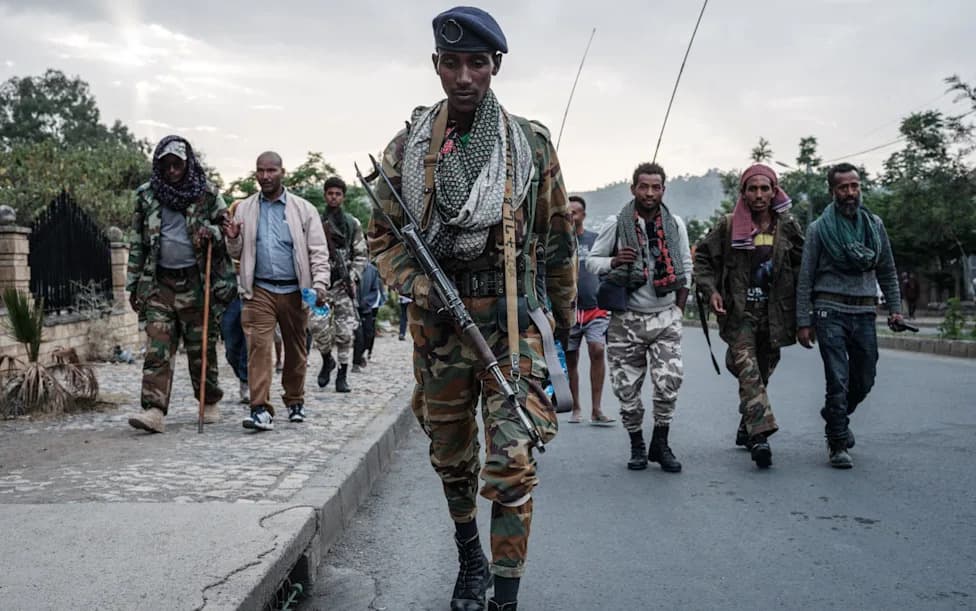
The federal army has been rapidly regrouping and has pushed many TPLF fighters back into the Tigray region. Government troops say they have retaken the regional airport and now occupy Mekelle, Tigray’s capital. As the fighting moves into urban areas, the risks of mass displacement, civilian casualties, and strained humanitarian access grow—especially troubling given existing aid shortages and the threat of worsened food insecurity from this year’s El Niño.
Reports of Regional Backing
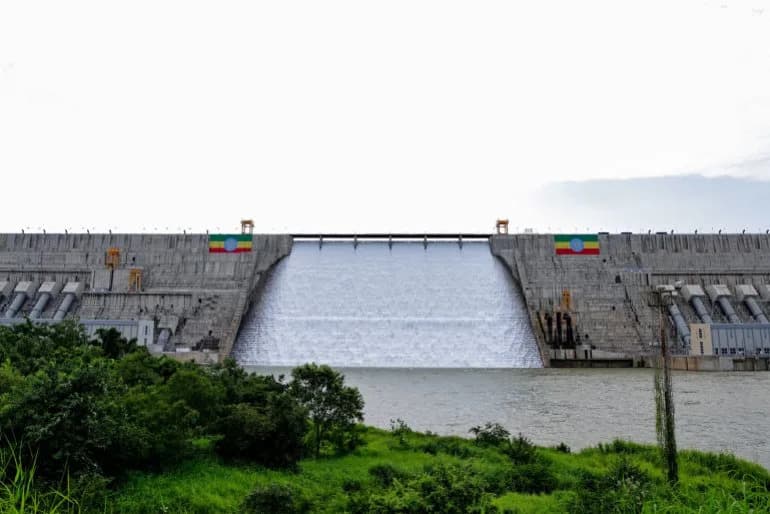
Both the Tigrayans and their self-styled "Alliance for Survival" allies appear to believe they have external support. Multiple reports suggest a coalition of neighboring states—reportedly led by Egypt and including Eritrea, Sudan and Somalia—has quietly backed opponents of the prime minister. Mr. Abiy’s plans for three new hydroelectric dams on the Nile, his assertive claims about the Eritrean port of Assab, and the federal military’s past ties to Sudan’s Rapid Support Forces have widened regional opposition to his agenda.
Risk of Internationalization
With neighboring Sudan already consumed by an internationalized conflict and long-standing tensions with Eritrea, there is a real danger that Ethiopia’s fighting could fuse with broader regional instability and historical animosities. A wider conflagration would threaten U.S. priorities from counterterrorism to Red Sea security and could produce catastrophic humanitarian fallout.
U.S. Response Under Scrutiny. On Oct. 4, the U.S. State Department urged Ethiopia and Eritrea to “exercise maximum restraint,” but notably did not explicitly address the internal fighting among Ethiopian armed groups. Earlier sanctions targeted some Tigrayan officials, and the U.S. ambassador in Addis Ababa publicly criticized the TPLF’s offensive—moves that critics say undercut Washington’s perceived neutrality and its ability to mediate.
At the same time, U.S. commercial engagements—highlighted by the announcement of a proposed $5 billion Boeing aircraft sale to Ethiopia’s national carrier—have drawn scrutiny. Critics argue Washington appears to prioritize economic ties over a balanced peacemaking posture, reducing its leverage to de-escalate the crisis.
Why Peacemaking Matters
Ethiopia’s robust recent economic growth and ambitious infrastructure plans are highly vulnerable to a nationwide war and regional interference. The African Union has called for calm, but Washington remains one of the few external actors with the political weight to help manage a regional crisis. Prioritizing diplomacy and an even-handed mediation stance would better protect regional stability, humanitarian access, and long-term economic recovery.
Bottom line: Rapidly intensifying fighting inside Ethiopia, combined with reports of cross-border meddling and lukewarm diplomatic responses, raises the prospect of a much larger regional confrontation. Washington’s actions in the coming days will be pivotal in determining whether the crisis is contained or escalates.
Help us improve.