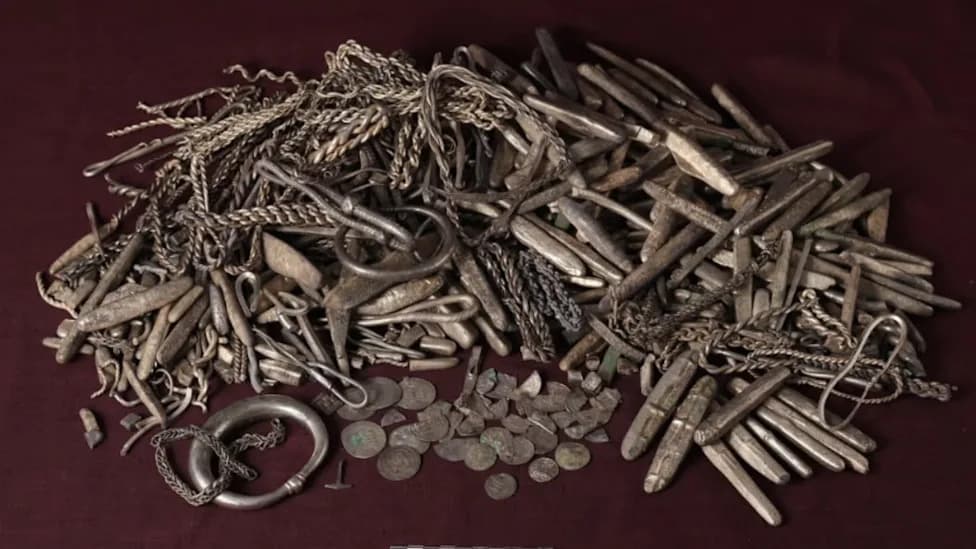
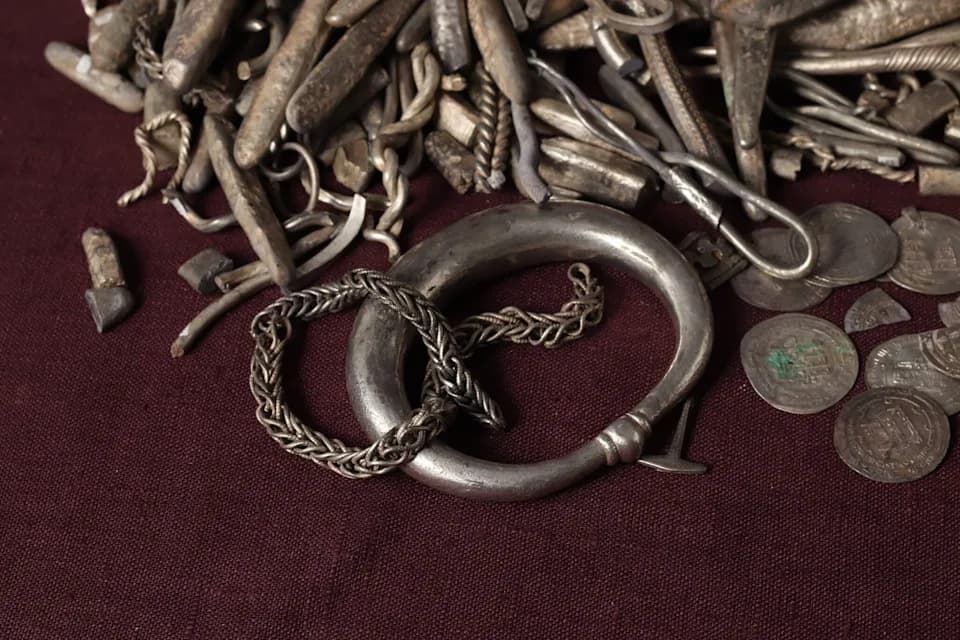
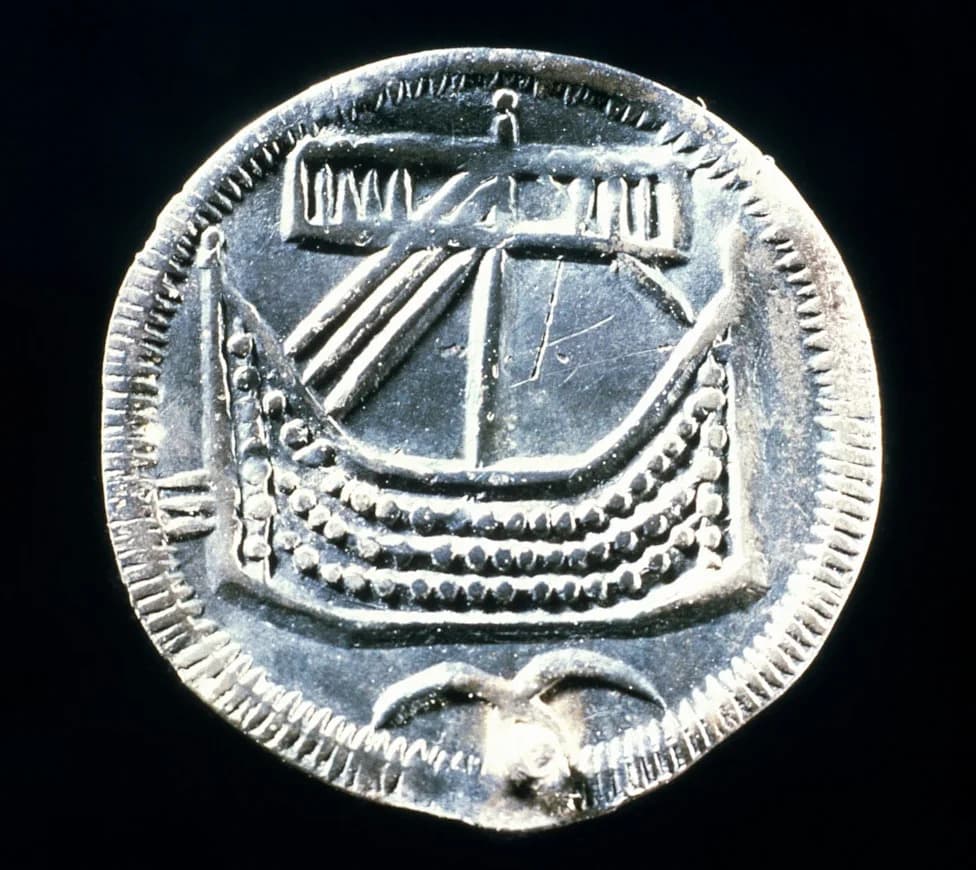
An amateur detectorist in Wesseling alerted archaeologists after repeated signals, leading to the recovery of 934 Roman silver denarii — the largest Hadrian-era hoard found in Germany. The 6.8-pound (≈3.1 kg) cache includes coins dated from 148 B.C.E. to 124/125 C.E. and was likely buried in a straw-lined pot in the second quarter of the second century C.E. Conservators recovered the hoard intact and it is on display at LVR-LandesMuseum Bonn while study and conservation continue.
Metal Detectorist Unearths 934 Roman Silver Coins — Germany’s Biggest Hadrian-Era Hoard and a Puzzling Mystery
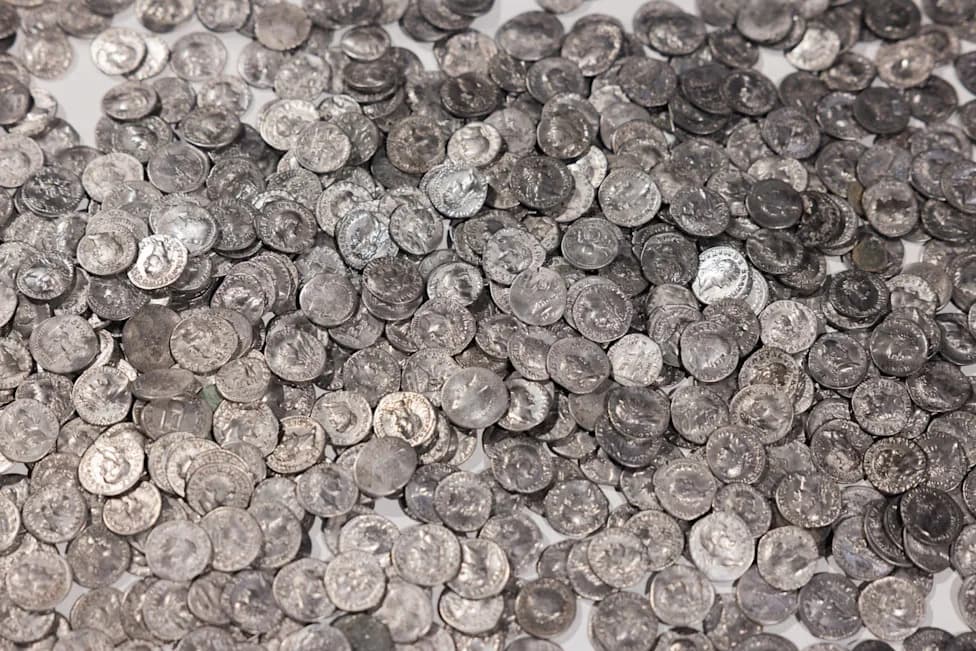
A Metal Detectorist Found 934 Ancient Coinspicture alliance - Getty Images
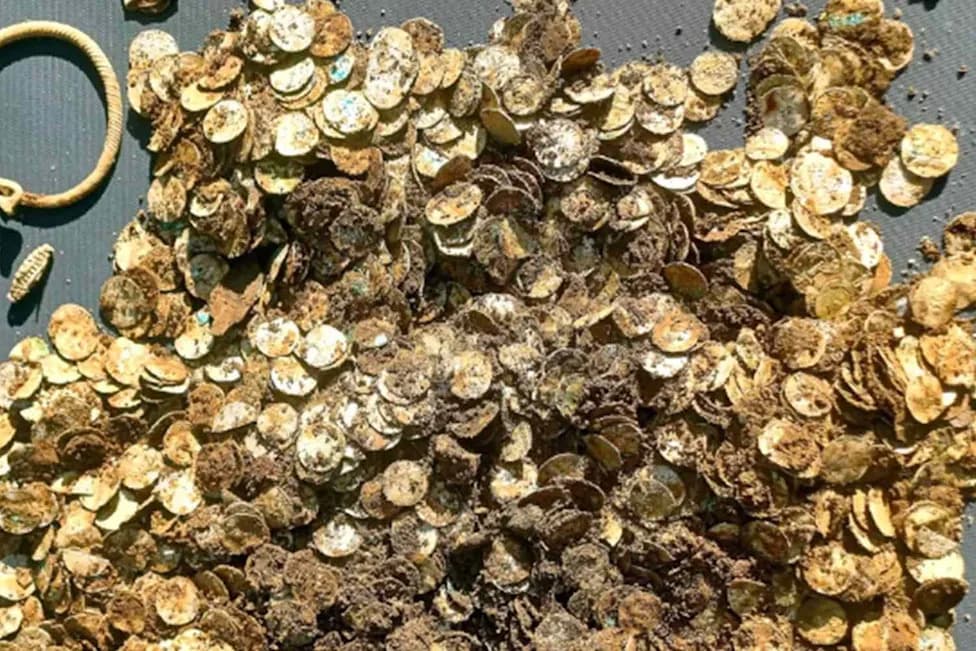
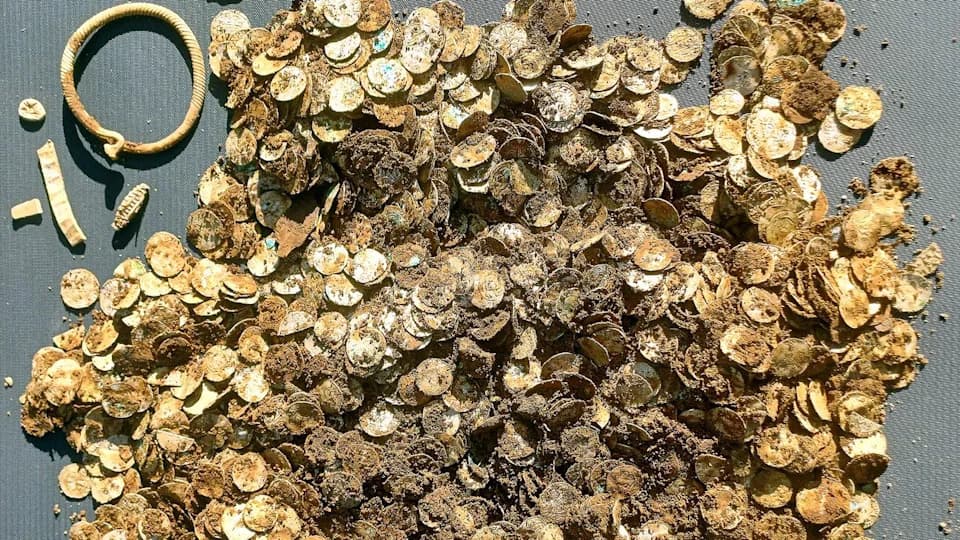
An amateur detectorist near Cologne triggered a major archaeological recovery when persistent signals after an initial find led specialists to uncover a hoard of 934 Roman silver denarii. The cache, weighing about 6.8 pounds (≈3.1 kg), is the largest collection from Emperor Hadrian’s reign ever unearthed in Germany and is now on display at the LVR-LandesMuseum Bonn.
Discovery
Oliver Riedl found 15 ancient coins while using his metal detector near Wesseling. When his detector continued to signal, he called the authorities. Teams from the LVR Office for the Preservation of Archaeological Monuments in the Rhineland excavated the site and recovered the full hoard intact by cutting out a single block of soil and transporting it to a conservation workshop for X-rays and analysis.
What Was Found
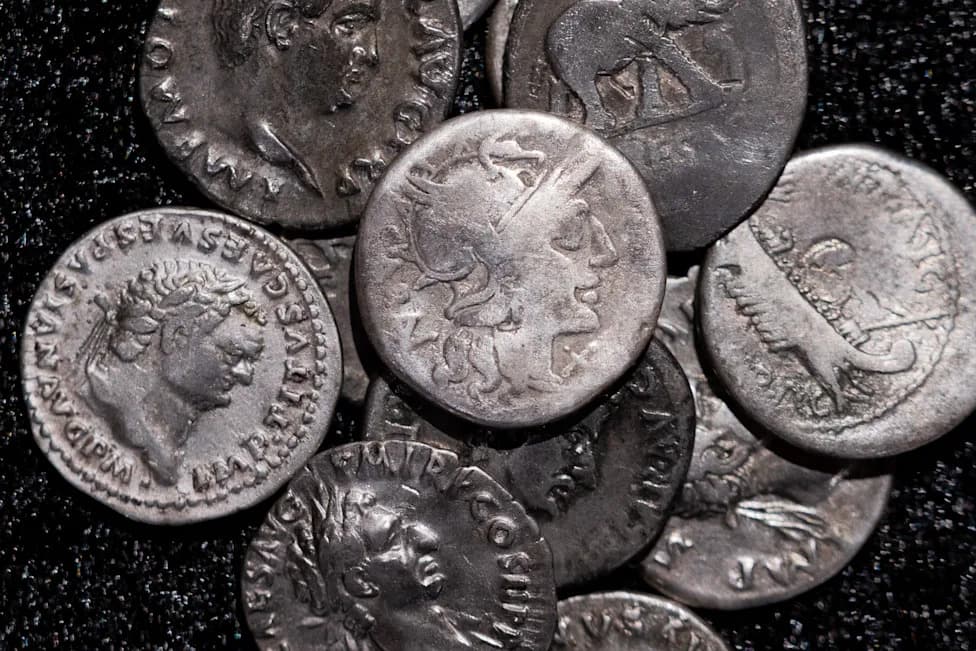
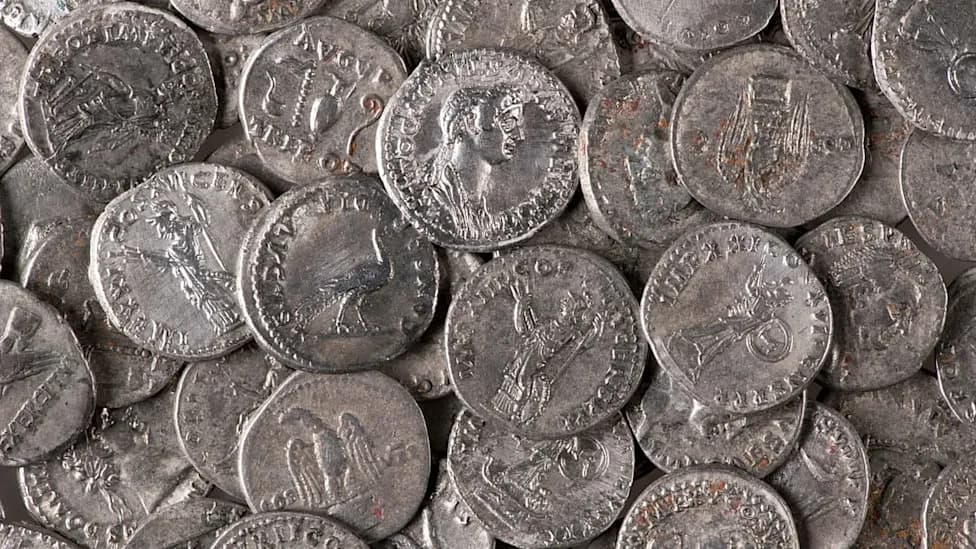
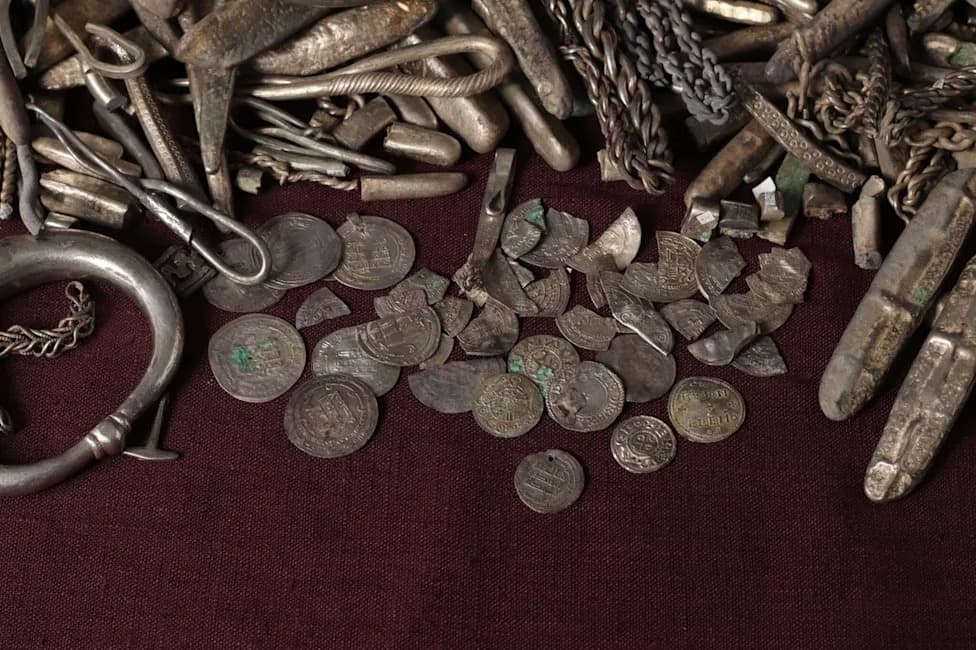
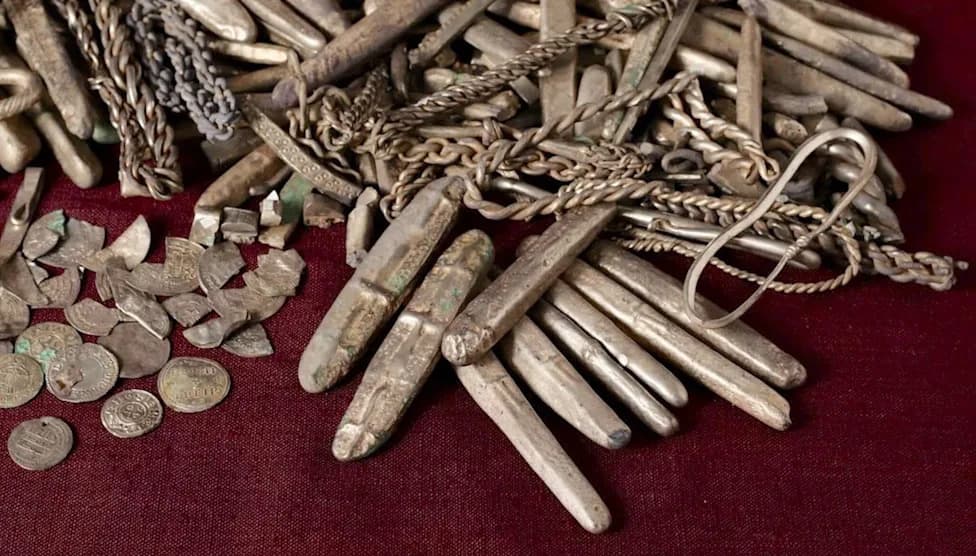
The hoard contains 934 silver denarii with a wide date range. The oldest coin was struck in 148 B.C.E., and most date from 69–96 C.E. The newest coins were minted in 124 or 125 C.E. during the reign of Emperor Hadrian. Conservators also found fragments of a ceramic pot and traces of straw, indicating the coins were likely placed in a pot lined with straw before being buried.
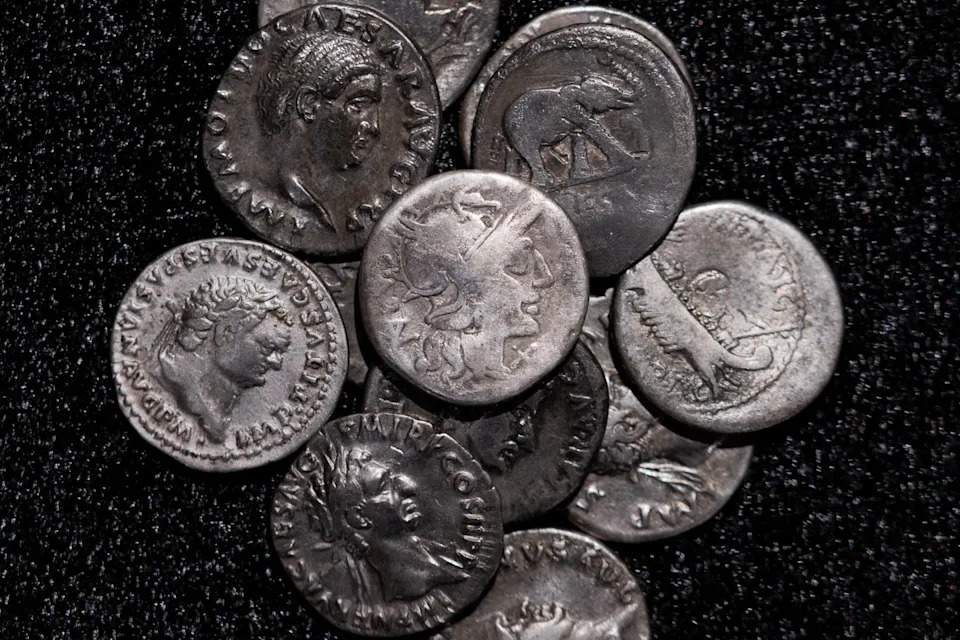
Roman coins from the find currently on on display at the LVR State Museumpicture alliance - Getty Images
Historical Context and Possible Owner
Archaeologists estimate the hoard was buried in the second quarter of the second century C.E. Exact motives for burial remain unknown. Erich Classen of the LVR-State Service for Archaeological Heritage noted that deliberate concealment for safekeeping is likely — formal banking institutions did not exist — but there is no definitive evidence identifying the owner. Rachel Otte, a researcher with the archaeological office, offered financial context: a Roman legionary’s annual pay was about 300 denarii, but with roughly half withheld for food and equipment, a soldier would have needed about six years of disposable pay to accumulate a comparable sum. That scenario is plausible but not proven.
Conservation and Display
Thanks to the detectorist’s careful call to authorities, conservators were able to preserve the find’s archaeological context and transport it for study. The hoard is undergoing conservation and analysis and is available for public viewing at the LVR-LandesMuseum Bonn while specialists continue their work.
Related Finds
The Wesseling discovery followed another nearby find: before building a fire station in Singen, workers uncovered 11 quinarii — rare Celtic silver coins about 2,000 years old — along with later Roman denarii dated between 164 and 169 C.E. Both finds highlight how much remains to be learned about coin circulation and settlement in Roman-era Germany.
“It was clear to me that there was something bigger buried here,” said Riedl, describing the persistent signals that led him to contact archaeologists.
Help us improve.