Summary: A metal detectorist uncovered Finland’s largest Viking‑Age silver hoard near Sysmä — nearly 10 pounds (4.5 kg) of coins, jewelry and hacksilber stored in two birch‑bark deposits. The deposits, buried about 45 cm deep and 12 m apart, likely date to A.D. 1000–1050 and include coins from regions corresponding to Germany, Sweden and Great Britain, plus Islamic dirhams. The Lahti Historical Museum will survey the site and specialists will clean, catalogue and study the hoard before publishing detailed reports.
Metal Detectorist Uncovers Finland’s Largest Viking‑Age Silver Hoard — Nearly 10 Pounds of Coins and Jewelry
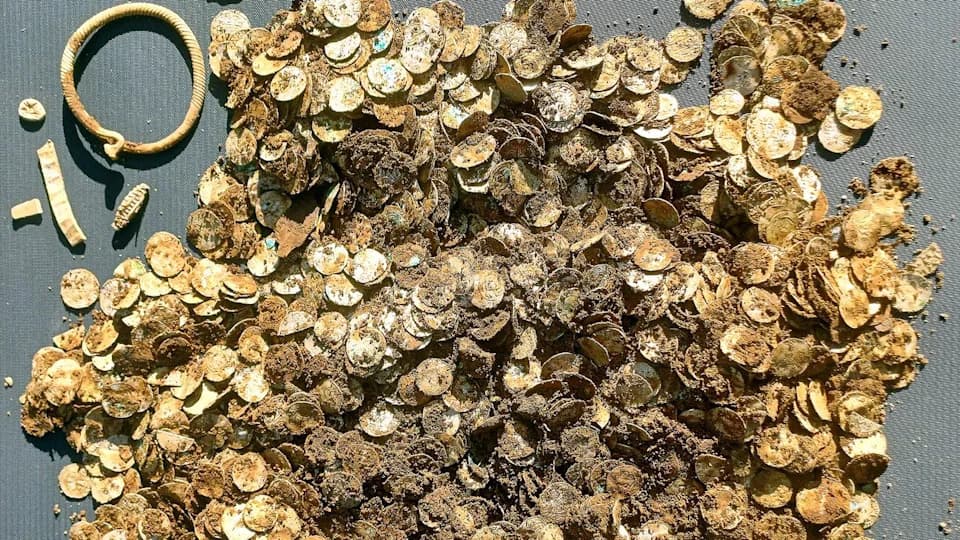
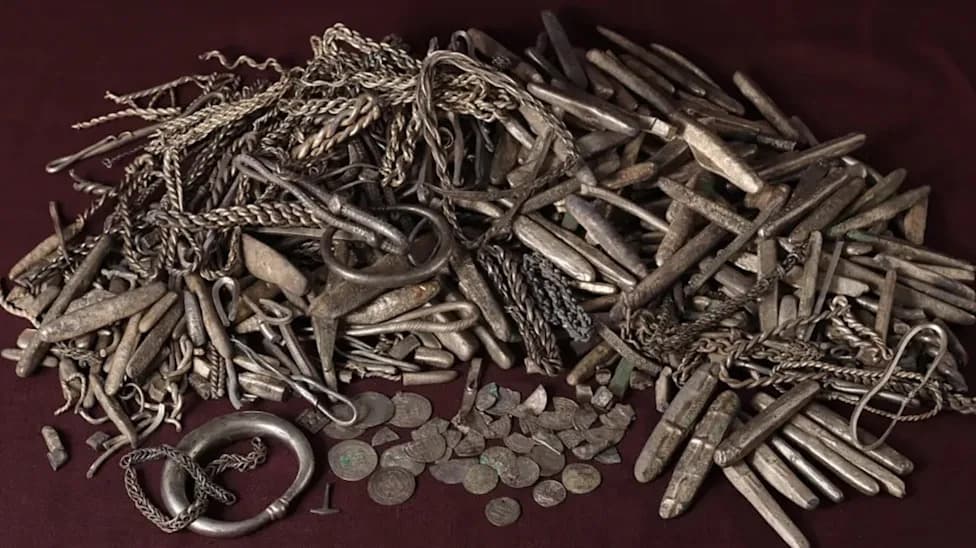
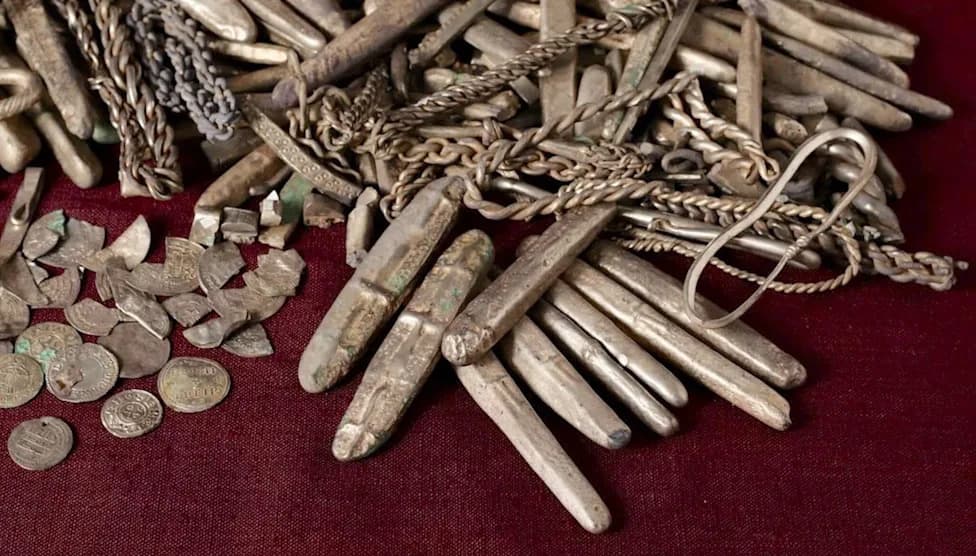
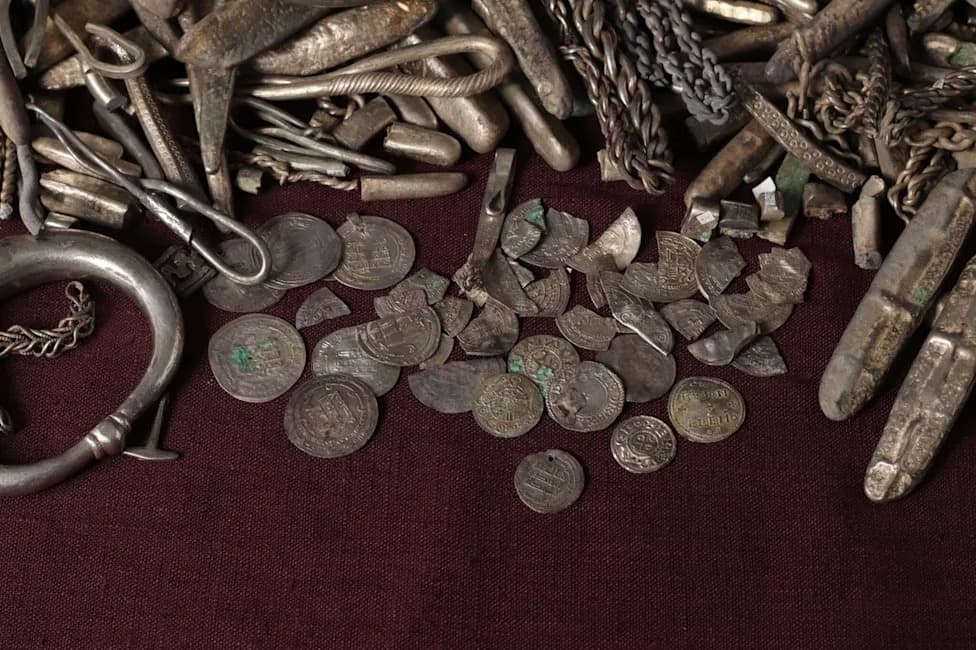
The coins were buried in two deposits. Together, they are the largest hoard of Viking Age silver ever found in Finland. | Credit: Esko Tikkala, Lahti Museum
A metal detectorist has discovered the largest Viking‑Age silver hoard ever recorded in Finland: almost 10 pounds (4.5 kilograms) of coins, jewelry and cut silver. The finds were reported to the Lahti Historical Museum and professionally excavated by museum archaeologists.
Discovery and Excavation
Finder Kalle Lappinen located two separate deposits on Sept. 3 and immediately alerted the Lahti Historical Museum. Archaeologist Esko Tikkala and the museum team inspected and excavated the site the following day. The objects had been stored in birch‑bark containers and placed between stones beside a rock outcrop in a forest near the town of Sysmä, about 150 km (95 miles) north of Helsinki.
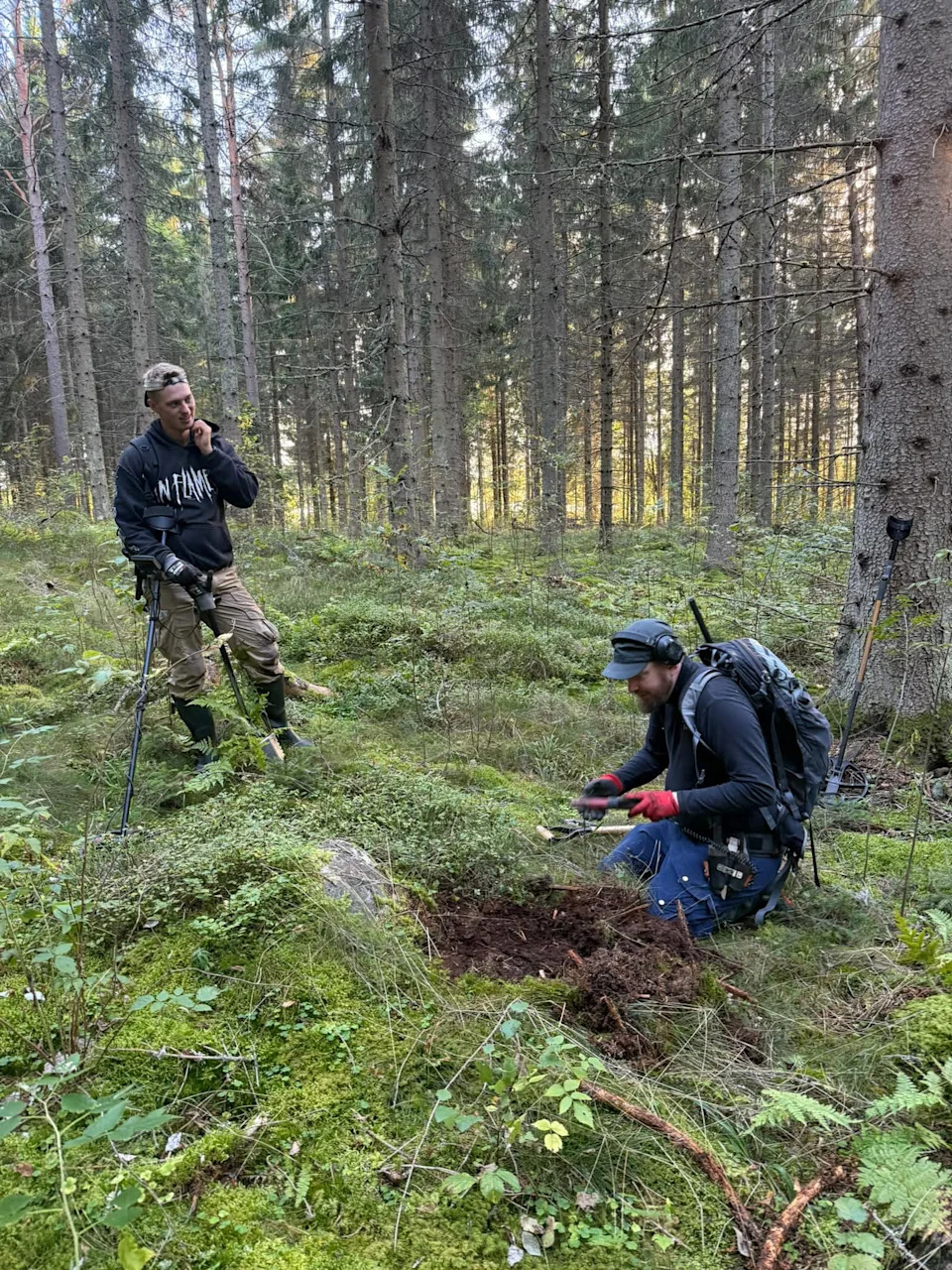
The coins were discovered in early September by metal detectorist Kalle Lappinen (right). | Credit: Kalle Lappinen
What Was Found
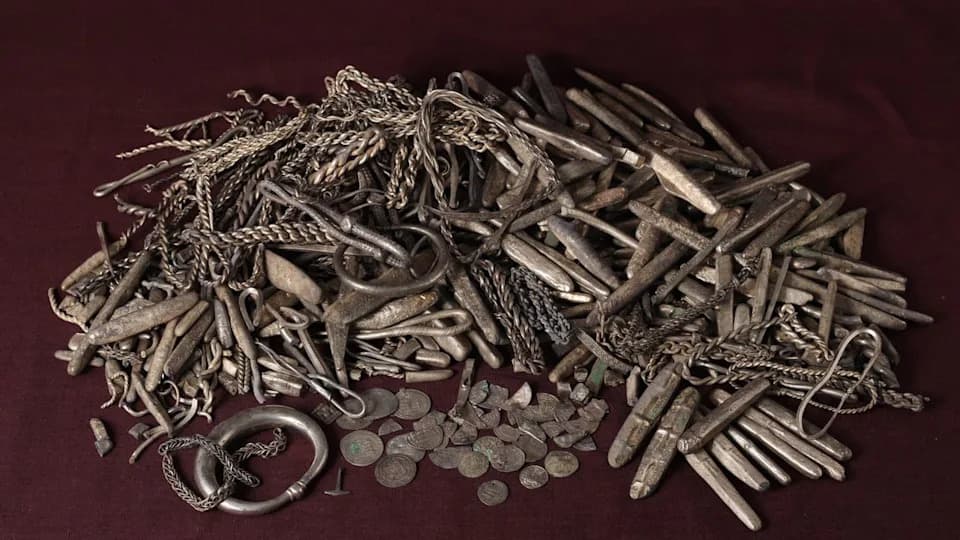
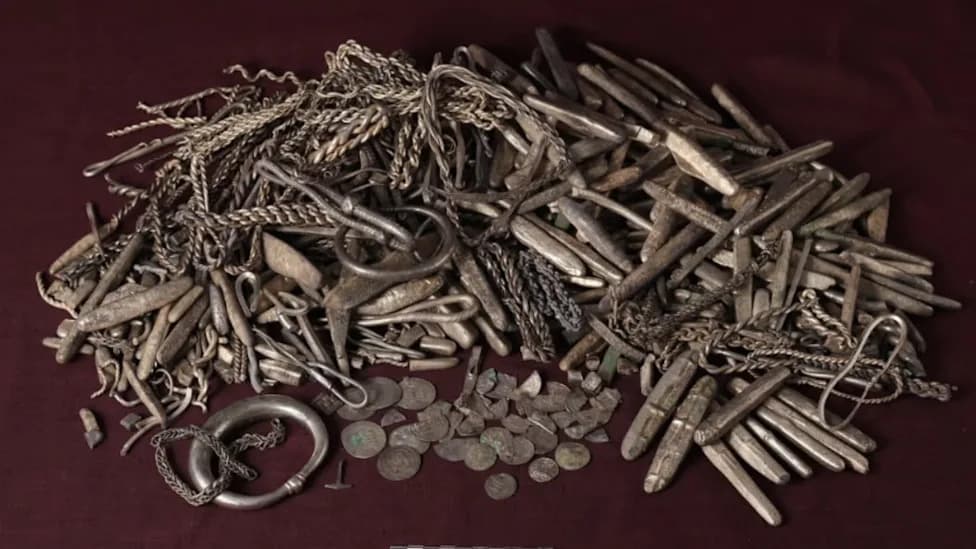
The two bark containers were buried roughly 18 inches (45 cm) below the surface and about 39 feet (12 m) apart. Preliminary cleaning and examination suggest the hoard contains thousands of individual pieces — silver coins, a silver bracelet and numerous fragments of hack silver (hacksilber), which were irregular pieces of silver used as weighed bullion for payments.
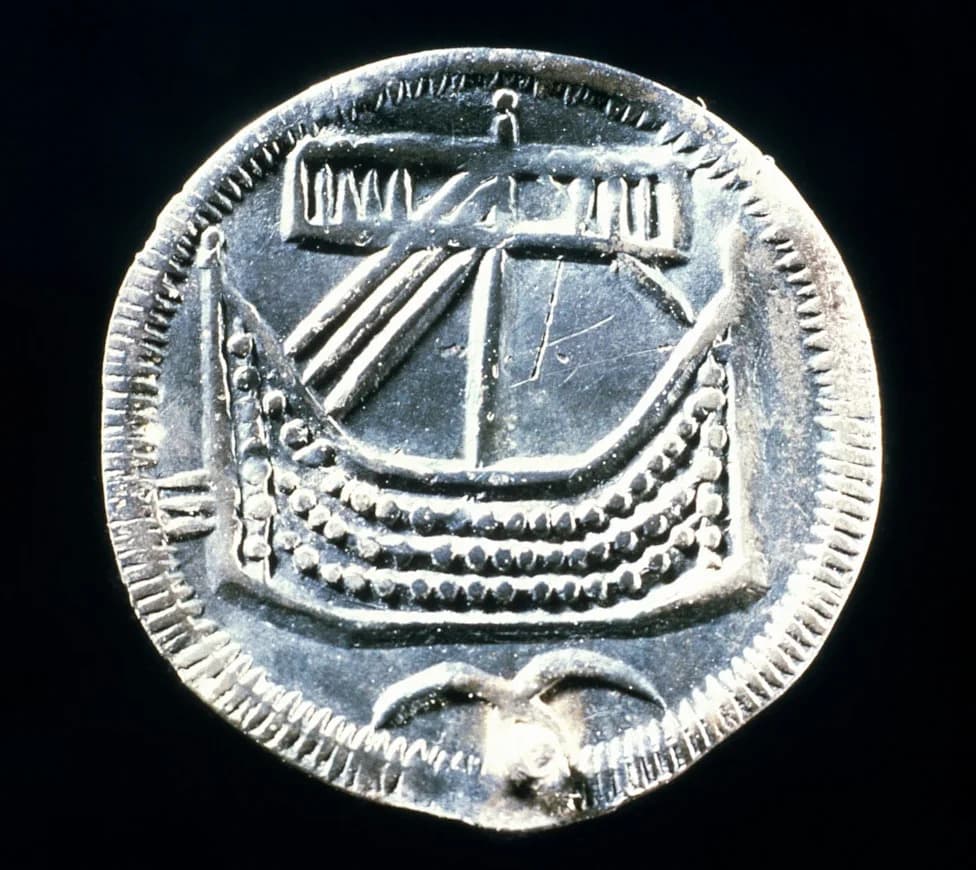
Dating is provisional but the coins and objects likely belong to the period A.D. 1000–1050. The assemblage includes coins minted in regions that correspond to present‑day Germany, Sweden and Great Britain, as well as several dirhams from the Islamic world — a type of silver coin previously found in Finland and typically dated to c. 800–1050.
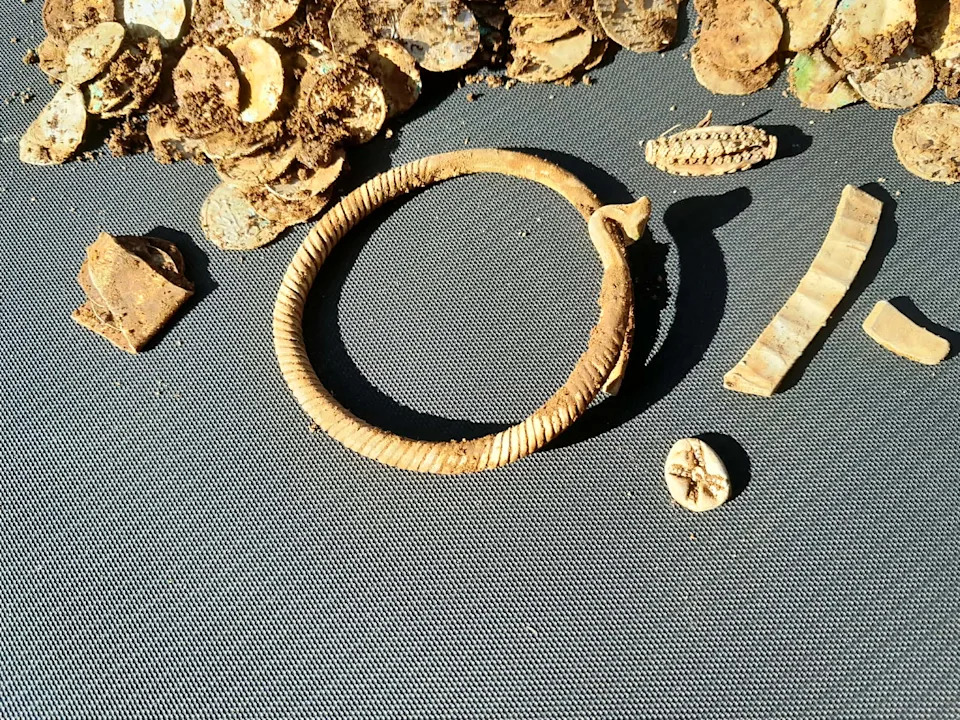
In addition to the silver coins from many places, the hoard contains items of silver jewelry and "hack silver" used for payments. | Credit: Lahti Museum
Context and Significance
By weight alone the silver would be worth nearly $10,000 at current prices. This discovery surpasses Finland’s previous largest Viking‑Age hoard, found in 1895 at Nousiainen, which contained more than 1,700 coins but weighed about half as much.
Although the find dates to the period commonly called the Viking Age (roughly 793–1066), that does not mean the objects were buried by people who would be labeled "Vikings" in the conventional sense. As Tikkala noted, scholars use the term to designate the period — Finland was not culturally or politically part of Viking Scandinavia in the same way as parts of present‑day Sweden, Norway and Denmark.
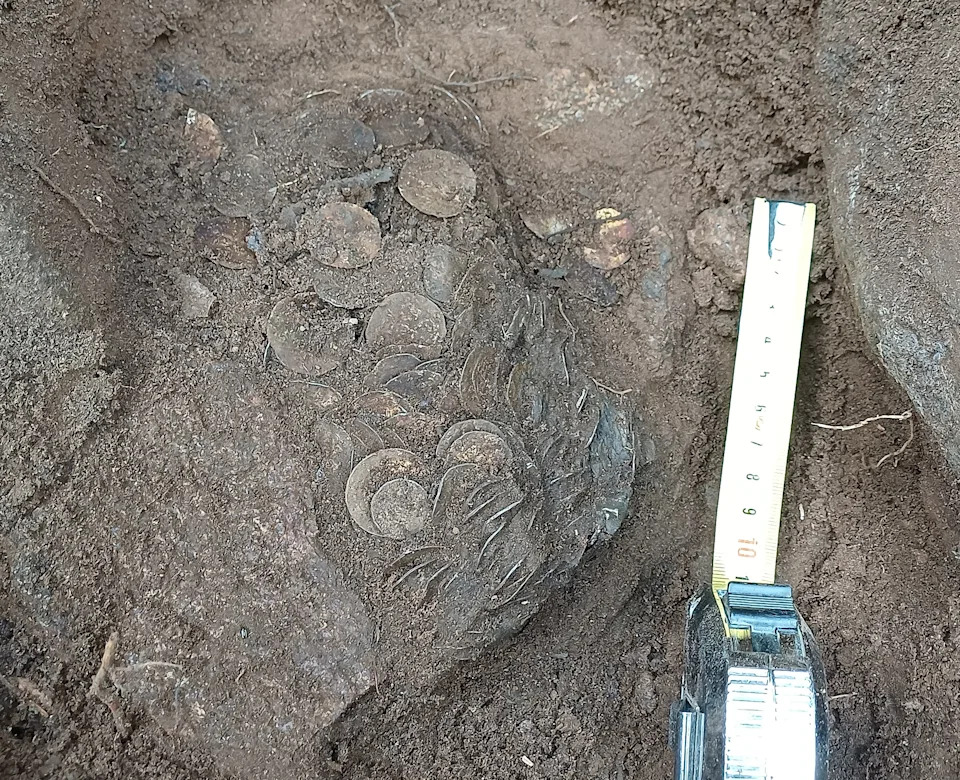
The hoard had been placed in two bark containers that were then buried several feet apart. | Credit: Lahti Museum
Next Steps
The museum team will carry out a thorough archaeological survey of the site and its surroundings before specialists undertake careful cleaning, cataloguing and numismatic study of the coins and objects. Tikkala expects scientific articles and detailed reports will follow once the research is complete.
Regional Comparisons
The new Finnish hoard is one of several major Nordic discoveries in recent months, including a spring find in Norway of more than 4,700 coins and a backyard discovery in Denmark of over 700 silver objects weighing more than 40 pounds (18.5 kg).
Help us improve.