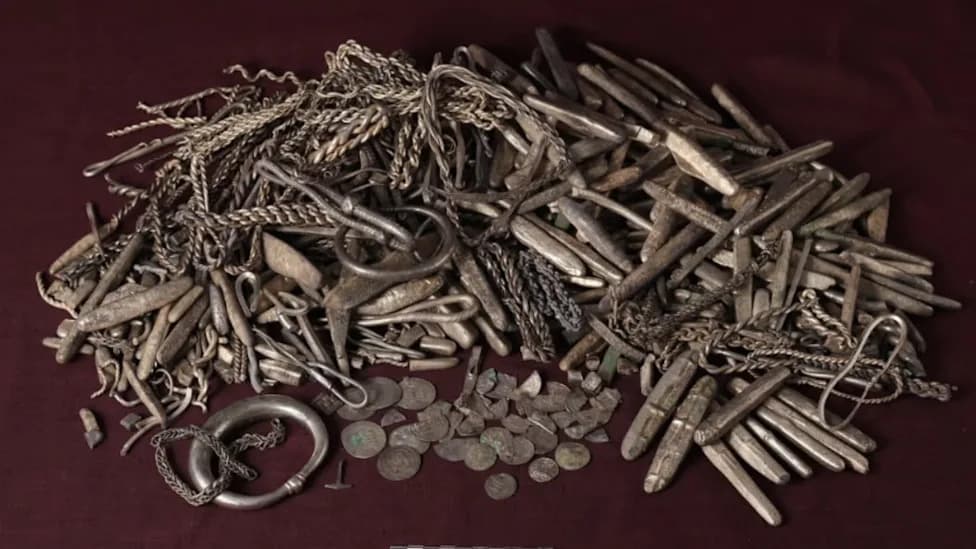
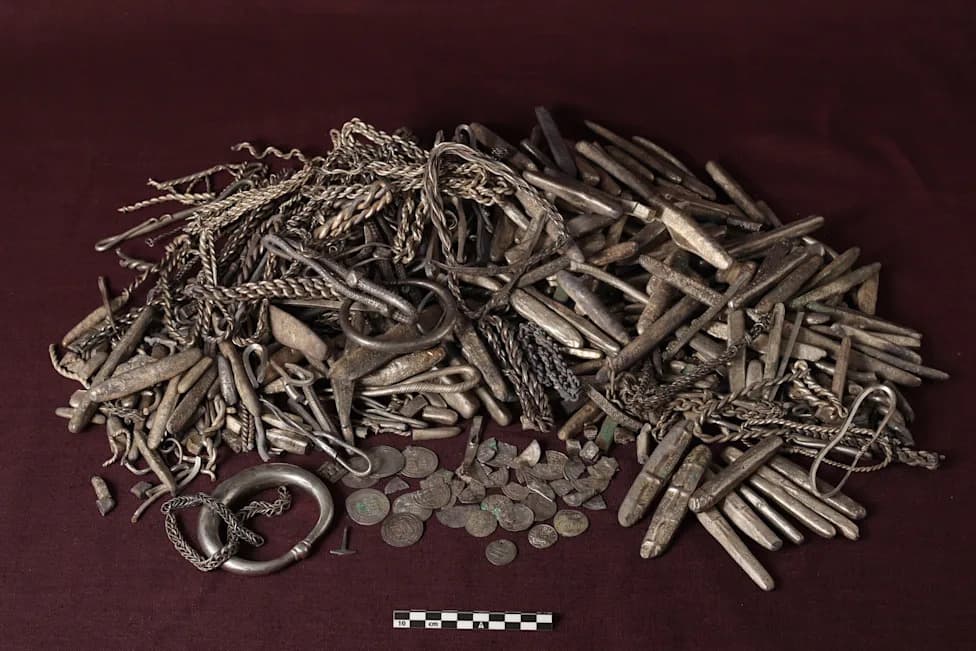
An amateur detectorist discovered 934 Roman silver denarii near Wesseling, south of Cologne, forming the largest Hadrian-era coin hoard recovered in Germany. The 3.1 kg find was likely deliberately buried in the second quarter of the 2nd century A.D. and is now on display at the LVR-LandesMuseum Bonn. Experts say the hoard’s size would equal roughly six years of a legionary’s disposable pay, though the original owner never reclaimed it.
Amateur Detectorist Uncovers Germany’s Largest Hadrian-Era Hoard: 934 Roman Silver Coins
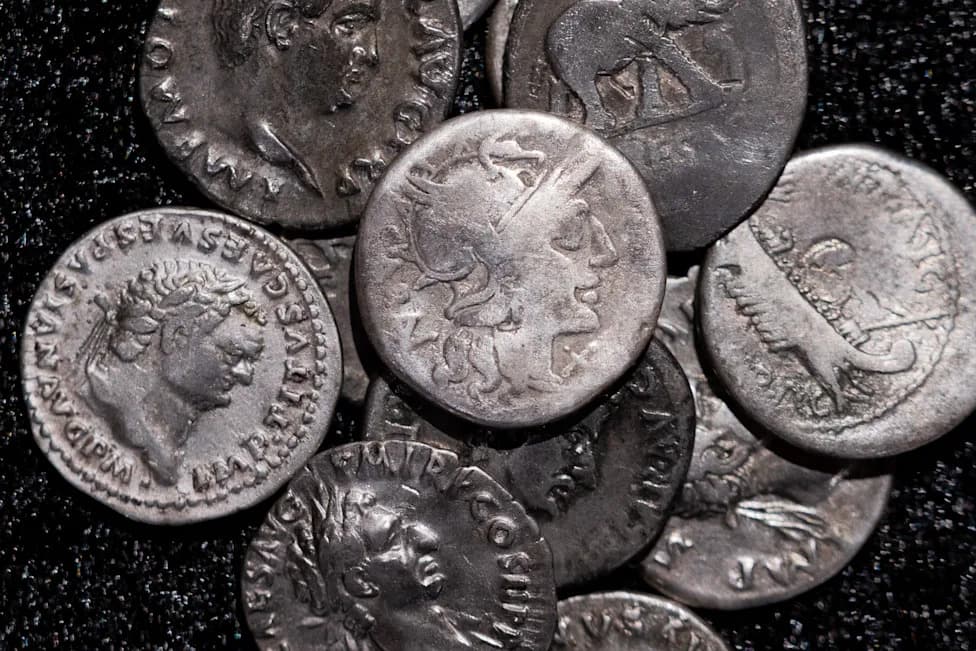
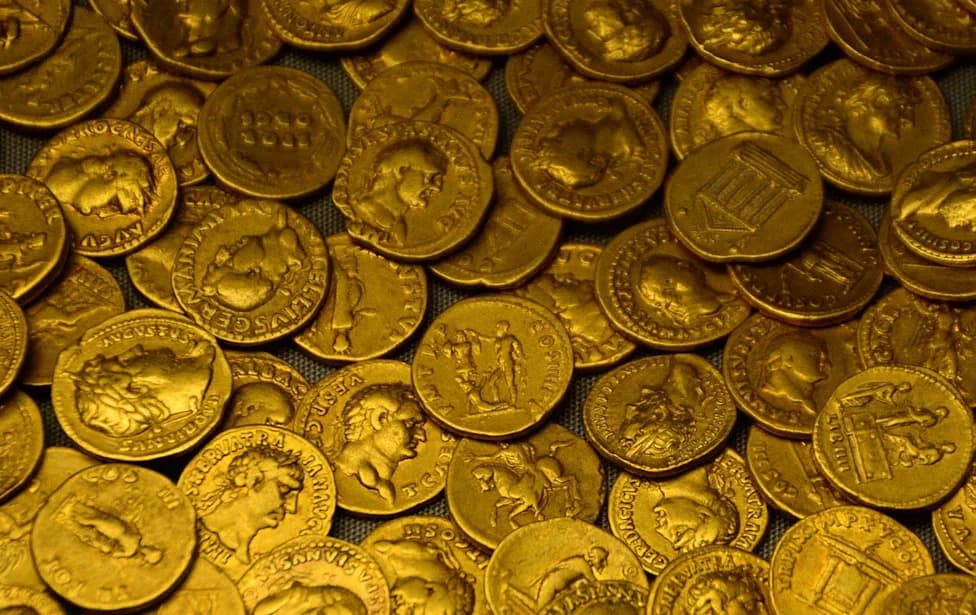
Roman coins, including the one coin, centre, dating from 148 B.C., when Rome was still a republic without an emperor, are on display at the LVR State Museum, in Bonn, Germany, Tuesday Sept. 22, 2026. (Rolf Vennenbernd/dpa via AP)(Rolf Vennenbernd/DPA via AP)
An amateur detectorist in western Germany has uncovered the largest known Roman silver coin hoard from Emperor Hadrian’s reign ever found in the country. What began as a routine search near Wesseling, south of Cologne, turned into a major archaeological discovery when the metal detector continued to signal despite initial finds.
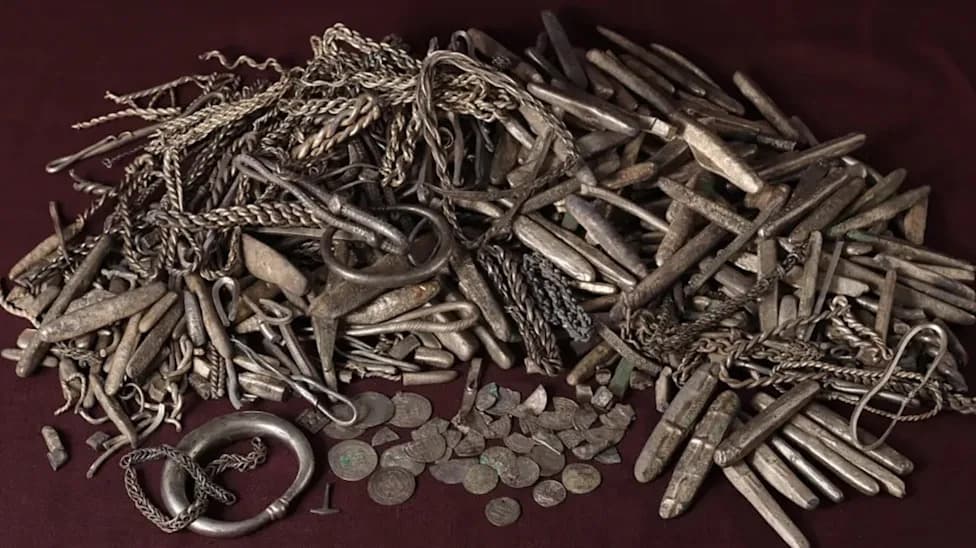
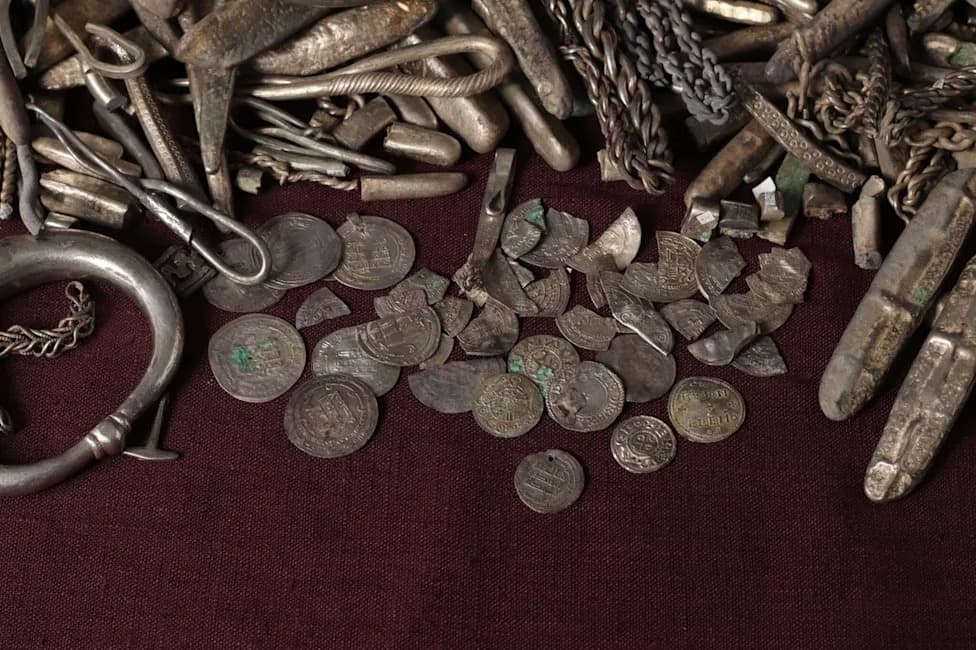
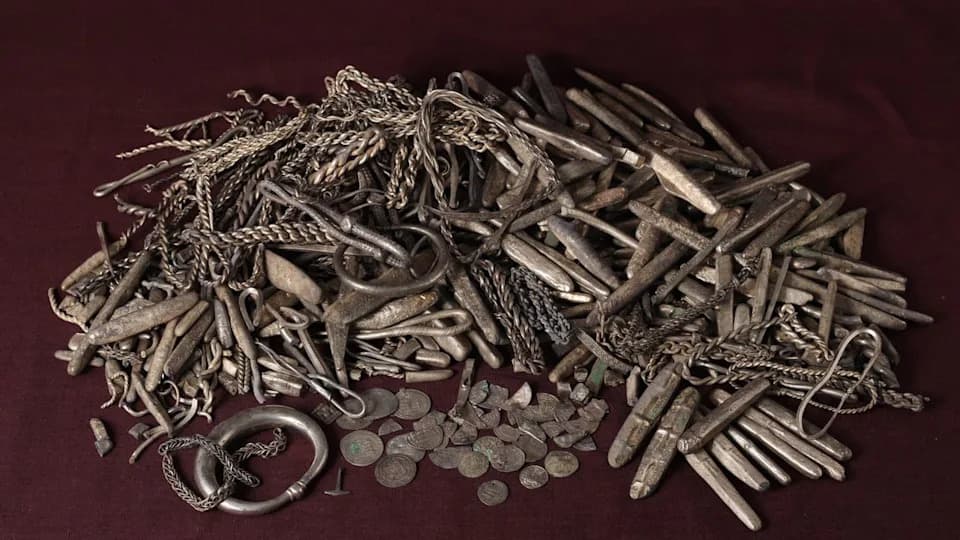
Oliver Riedl alerted authorities, and specialists from the LVR Office for the Preservation of Archaeological Monuments in the Rhineland began a careful excavation. They recovered a total of 934 silver denarii weighing 3.1 kilograms (6.8 pounds). The coins are now on public display at the LVR-LandesMuseum Bonn.
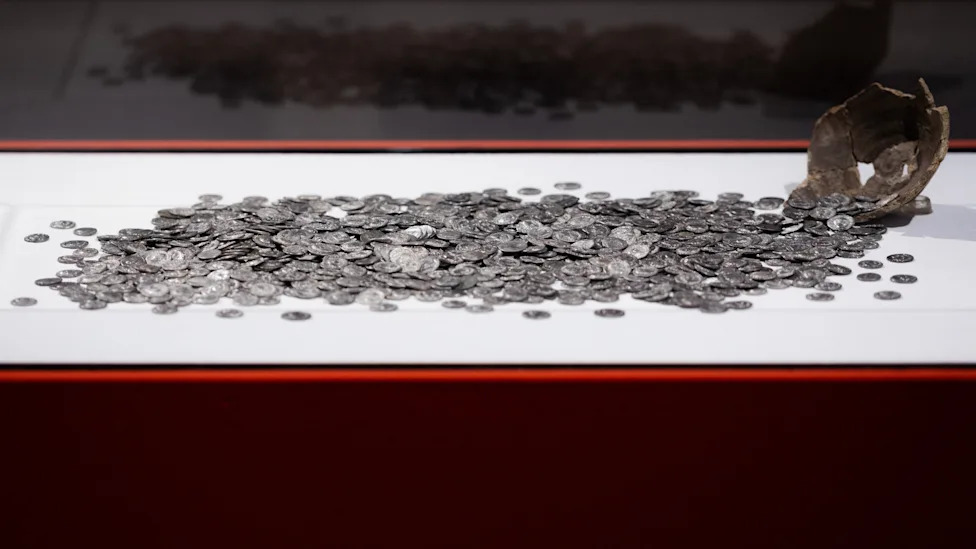
Roman coins are on display at the LVR State Museum in Bonn, Germany, Tuesday Sept. 22, 2026. (Rolf Vennenbernd/dpa via AP)(Rolf Vennenbernd/DPA via AP)
It was clear to me that there was something bigger buried here, Riedl said, describing how his detector kept beeping after he had found several coins.
According to the archaeological office, the hoard was most likely intentionally buried in the second quarter of the second century A.D. — in the period of Hadrian’s rule. State archaeologist Erich Classen suggested that the most plausible explanation is that someone hid the money for safekeeping and, for unknown reasons, never retrieved it.
Experts noted that coin hoards from Roman periods are not rare, but few from the second century reach this scale. The office highlighted the difficulty of estimating the hoard’s contemporary purchasing power, but used legionary pay as a reference point: ordinary legionaries earned about 300 denarii a year, with roughly half deducted for food and equipment. By that measure, a soldier would have had to save nearly six years of disposable pay to amass a hoard of this size.
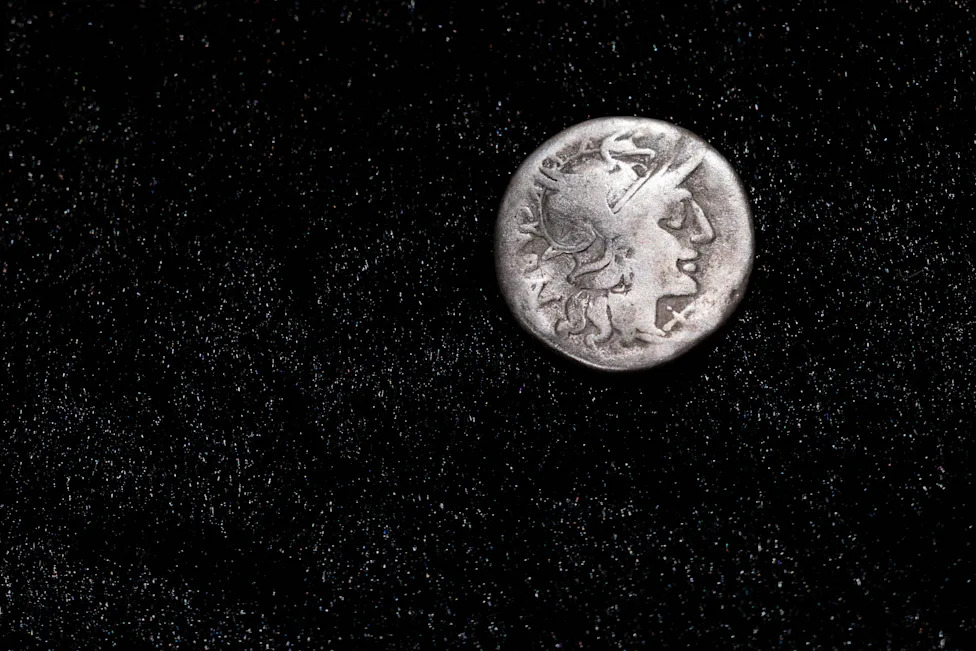
A Roman coin dating from 148 B.C., when Rome was still a republic without an emperor, is on display at the LVR State Museum, in Bonn, Germany, Tuesday Sept. 22, 2026. (Rolf Vennenbernd/dpa via AP)(Rolf Vennenbernd/DPA via AP)
Historical Context and Significance
The Cologne region remained under Roman control from roughly 39 B.C. to A.D. 459. The army presence established by Marcus Vipsanius Agrippa helped secure the Rhine border and eventually gave rise to Colonia Agrippina, today’s Cologne. Finds like the Wesseling hoard shed light on local economic life, saving practices and the circulation of silver coinage in Roman frontier provinces.
Next Steps
- Conservation and cataloging of the individual denarii are underway to determine dates, mints and iconography.
- Museum curators plan further study and may publish a detailed report on the hoard’s composition and historical implications.
- Valuation in modern currency is secondary to the hoard’s archaeological and historical importance, officials said.
The hoard offers a rare, tangible link to everyday financial life in Roman Germania and will be available for public viewing and scholarly research at the LVR-LandesMuseum Bonn.
Help us improve.