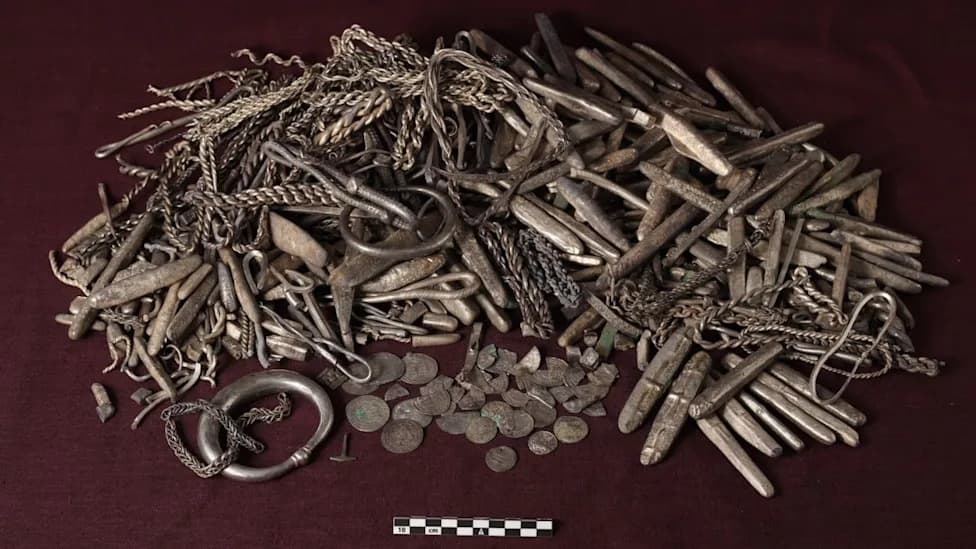
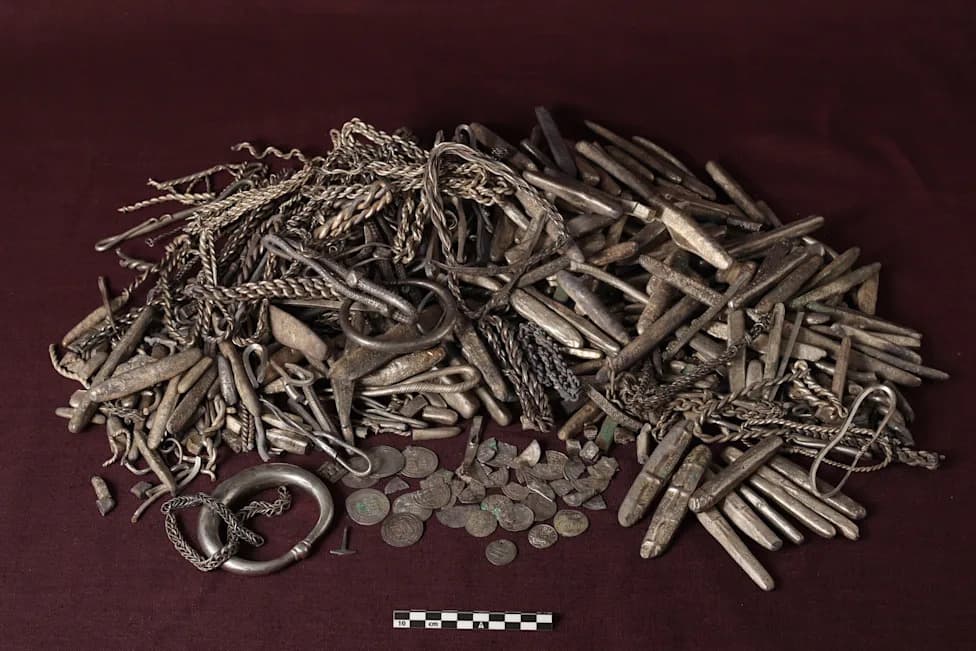
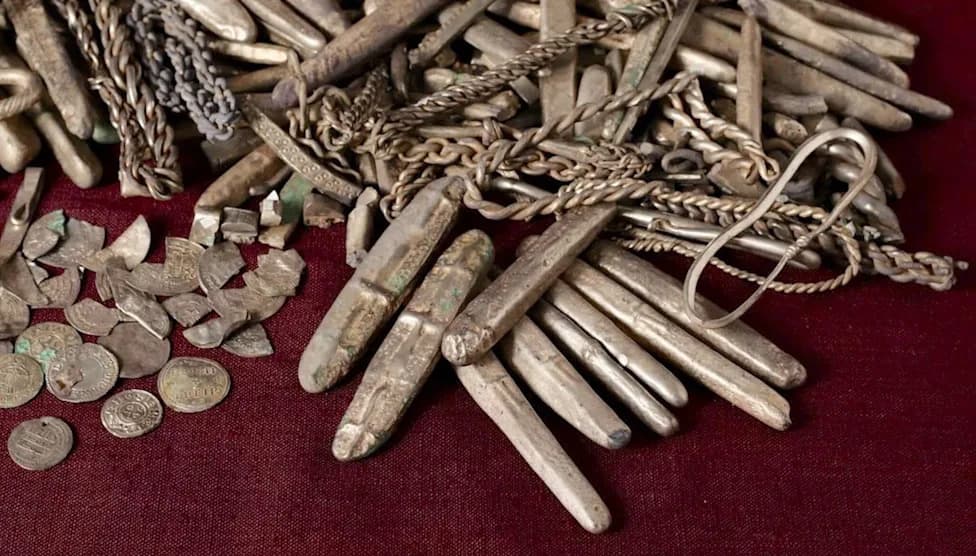
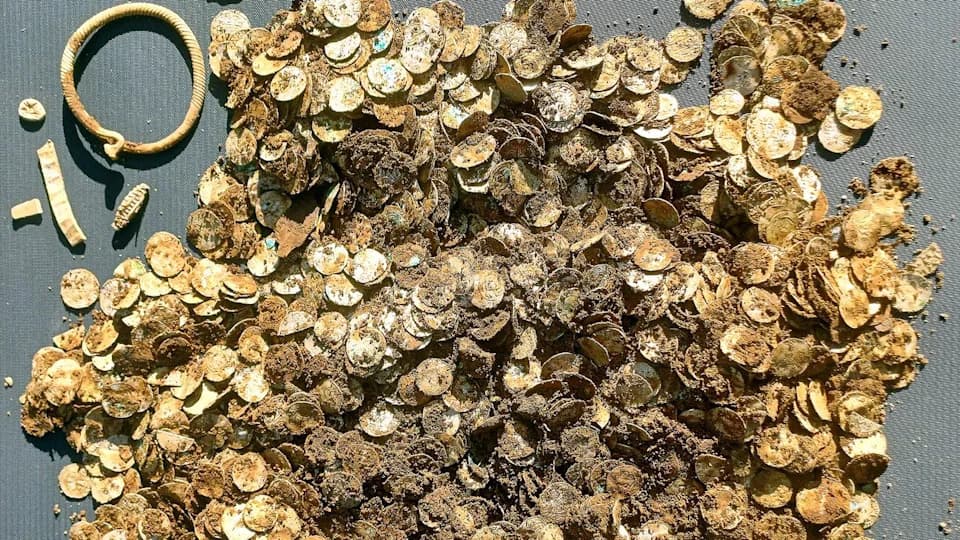
Gravel workers on the Danube near Deinham, Austria, uncovered a rusted cargo in 2019 that archaeologists now identify as at least 500 semi‑processed iron bars totaling more than one tonne. Dated to the third or second century B.C., the cache is the largest prehistoric assemblage of iron bars known in Europe and contains enough metal to forge roughly 500 swords. Researchers believe the cargo was likely lost while being transported on the Danube—possibly in a shipwreck—and plan trace‑element analysis to pinpoint the bars' source and illuminate Iron Age production and trade networks.
Workers Pull 2,200‑Year‑Old 'Rusty Treasure' From Danube — Largest Prehistoric Iron Cache in Europe
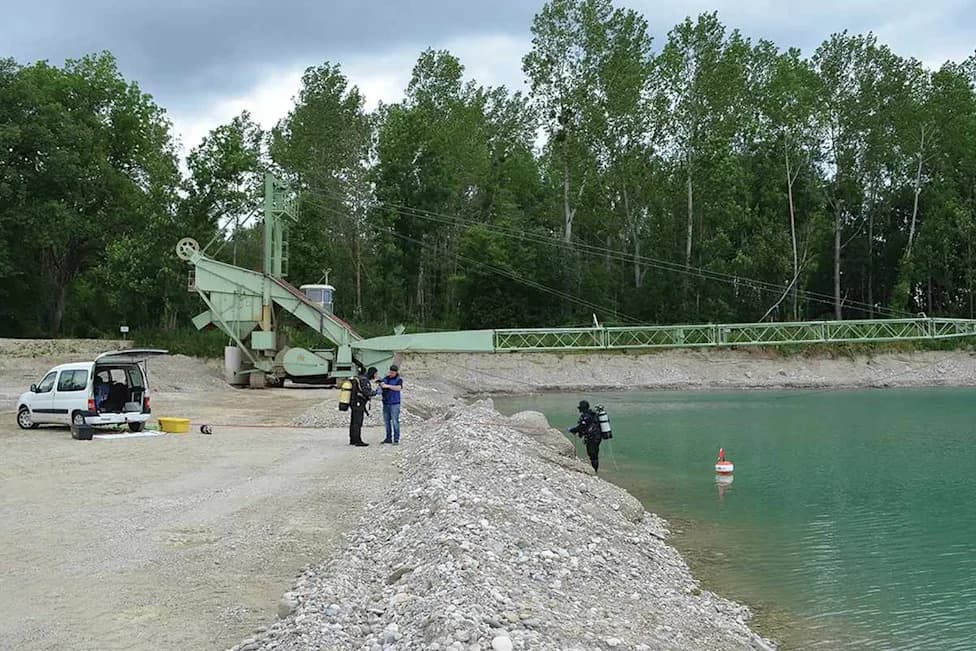
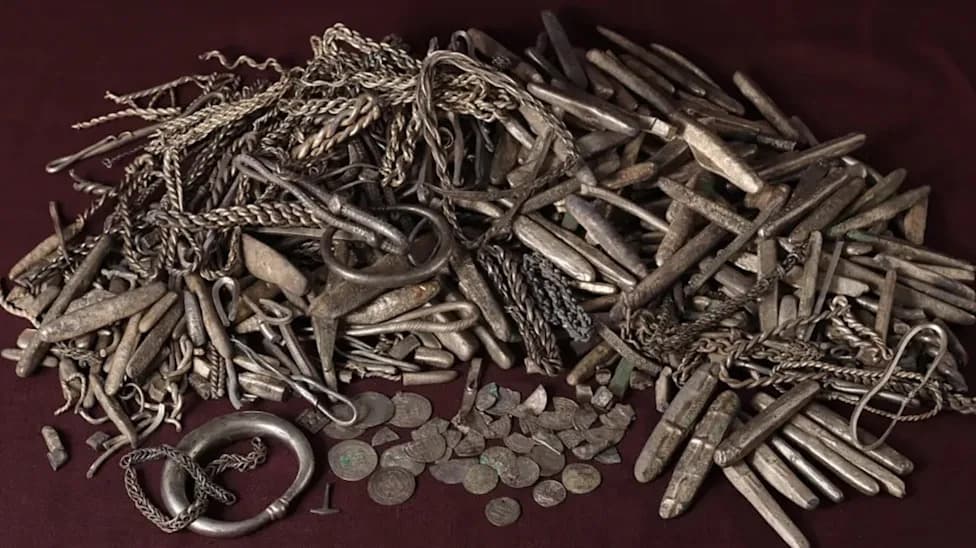
Workers Pull 'Rusty Treasure' from RiverCredit: University of Innsbruck
What first looked like a nondescript pile of rusted metal pulled from the Danube has been identified as an extraordinary Iron Age cargo. In 2019, gravel workers near Deinham, Austria, reported heavily corroded iron objects to the Austrian Federal Monuments Office. Subsequent archaeological work and analysis, published in the journal Antiquity, show the find is the largest known assemblage of prehistoric iron bars discovered in Europe.
Find and Recovery
Archaeologists recovered 193 complete iron bars along with hundreds of fragments after searching through disturbed gravel. Taken together, the pieces represent a minimum of 500 semi‑processed iron bars weighing more than one tonne in total. The material dates to the late Iron Age (third or second century B.C.).
"It is nothing short of a minor miracle that the largest mass find of prehistoric iron bars in Europe did not end up at scrap dealers, but was reported to the Austrian monument authority," said lead researcher Peter Trebsche of the University of Innsbruck.
What the Bars Reveal
Researchers interpret the objects as semi‑processed iron—ingots or billets—intended to be forged into finished tools or weapons rather than finished products themselves. Trebsche estimates the cache contains roughly enough metal to produce about 500 swords weighing 1.5–2 kg each. Even accounting for loss during working, the find would have been sufficient to equip a substantial fighting force.
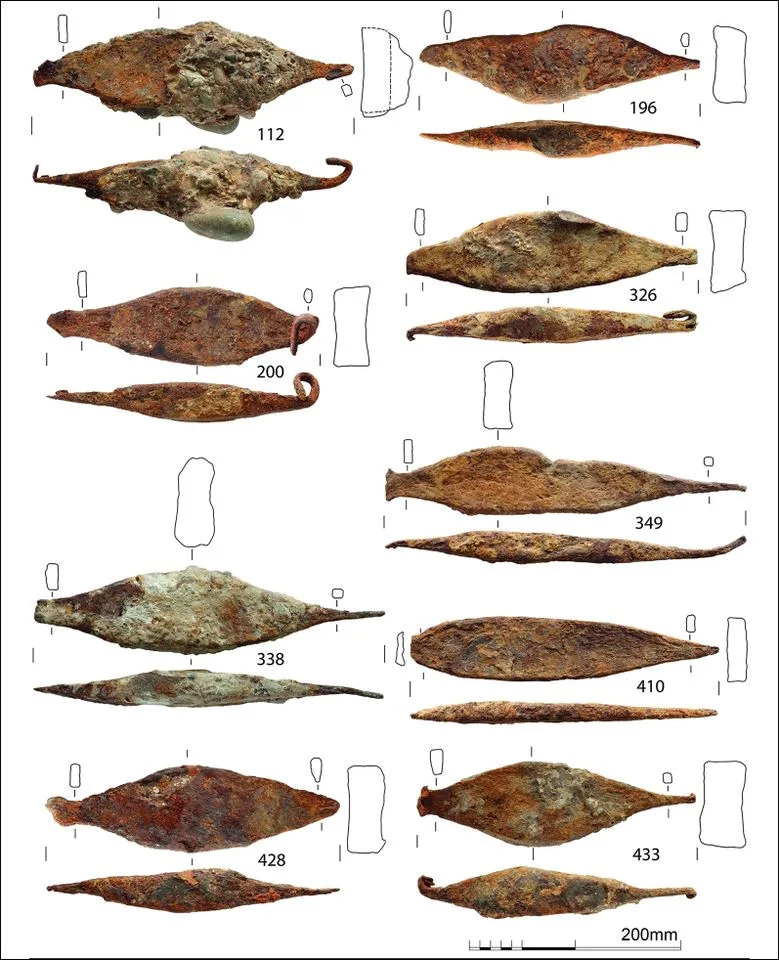
Iron bars found in Danube RiverCredit: University of Innsbruck
Context and Significance
The bars were likely being transported along the Danube as trade cargo when they were lost. Although no boat remains were recovered and gravel extraction disturbed the original context, the quantity of metal and its riverine location make a shipwreck loss "highly likely," according to researchers. Archaeologists suggest the bars may have been produced in Bavaria, where nearby Iron Age iron‑production sites are known, but the exact source remains unconfirmed.
The discovery sheds light on the scale of iron production and long‑distance trade networks in Central Europe more than two millennia ago. A single transaction involving this volume of iron implies substantial economic exchanges—possible payments could have included precious metals, livestock, or military service, though the specific destination and countervalue remain unknown.
Next Steps
Researchers plan trace‑element and isotopic analyses of the bars to try to identify ore sources and refine where the metal was smelted. Those results could help map Late Iron Age production centers and trade routes along the Danube.
Why It Matters: This find not only represents remarkable preservation and recovery of prehistoric metalworking material, it also provides a rare, tangible indicator of the scale and organization of Iron Age metallurgy and commerce in the region.
Help us improve.