The Census Bureau proposed on Sept. 10, 2026 to remove race and ethnicity questions — and bar sexual-orientation questions — from the 2030 short-form decennial census, citing a 2025 executive order and shifting legal views. Tribal leaders and advocacy groups warn the change could obscure counts of American Indian and Alaska Native people, undermining billions in federal funding, program planning and civil-rights enforcement. A virtual tribal consultation is scheduled for Oct. 2, 2026; public comments are due Oct. 13, with tribes and tribal-serving organizations given an extended deadline of Nov. 2.
Proposal To Remove Race Questions From 2030 Census Could Make Native Communities Less Visible
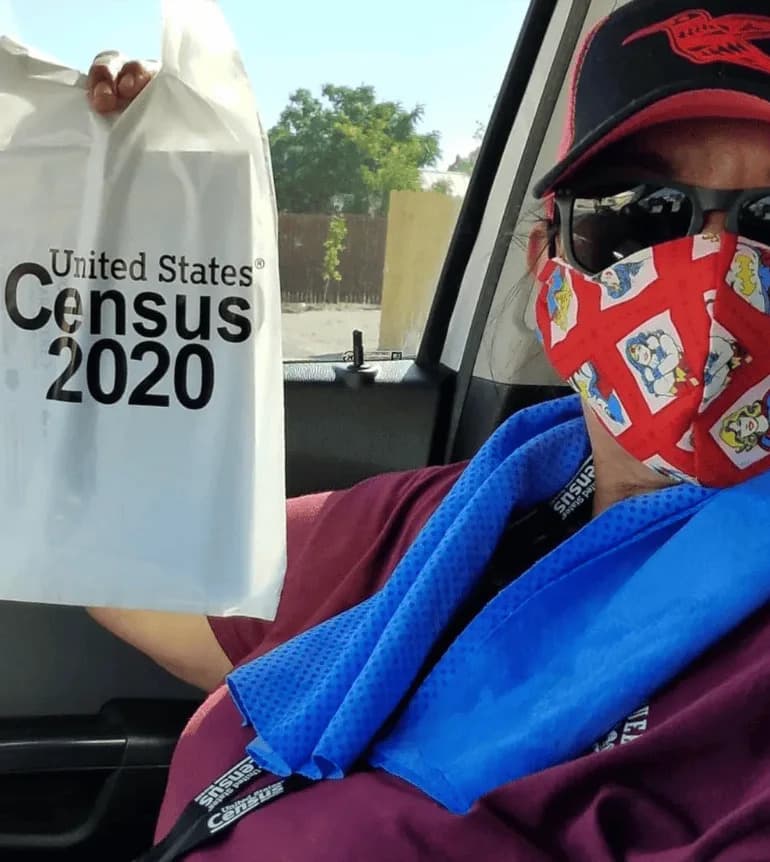
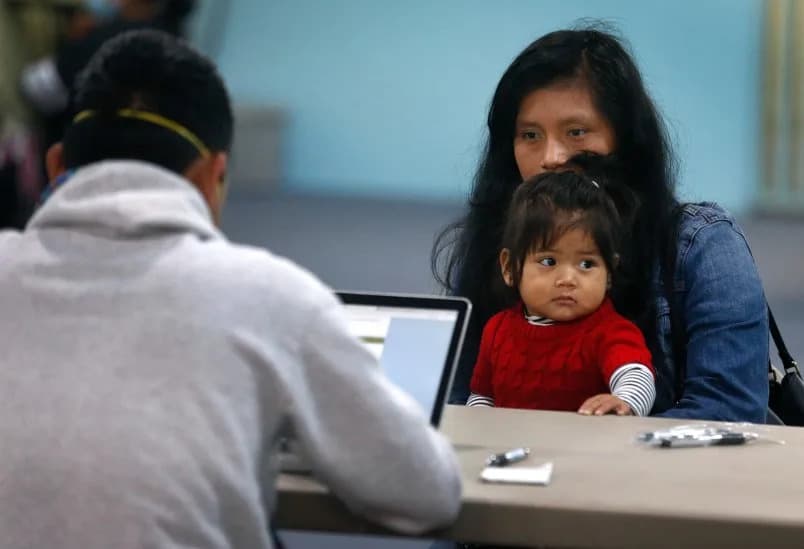
In 2020, there was a drive to make sure Native Americans were counted in the census. In 2030, things may be different. (Photo/Kim Baca)
Six years ago, when officials worked to increase Native participation in the 2020 census, I argued in Native News Online that overcoming generations of mistrust and completing the form was essential to an accurate count and a visible expression of pride in tribal communities. Today, a new Census Bureau proposal threatens to erase that progress.
On Sept. 10, 2026, the Federal Register published a Census Bureau notice proposing to remove questions about race and ethnicity — and to bar questions about sexual orientation — from the short-form decennial census questionnaire and any census-based population questionnaire the bureau uses.
What the Proposal Says
The notice explicitly references President Trump's Jan. 20, 2025 executive order, "Ending Radical and Wasteful Government DEI Programs and Preferencing," and cites evolving legal discussions about a more "colorblind" reading of the Constitution. The bureau writes:
"These evolving discussions and understandings of the law have prompted the Census Bureau to revisit and reconsider the continued need to collect certain demographic data on the short-form decennial questionnaire."
Why This Matters For Native Communities
The U.S. Constitution requires a decennial census (Article I, Section 2). Census counts determine how federal dollars are distributed and form the basis for congressional reapportionment and redistricting. In short: the census is about money and power.
Accurate, detailed counts of American Indian and Alaska Native (AI/AN) people guide billions in federal spending over a decade for education, housing, employment, health care, roads and other infrastructure. Without detailed race and ethnicity data, funding formulas and program planning can miss or underestimate the needs of tribal communities, and enforcement of voting and civil-rights protections becomes harder.
Tribal Responses
Late last week, the National Congress of American Indians (NCAI) warned that the proposed rule "may affect how American Indian and Alaska Native people and Tribal communities are counted and represented in federal data," stressing that census data shape political representation, funding decisions and planning for essential programs across Indian Country.
The Native American Rights Fund (NARF) added: "For Native communities, losing detailed demographic data could make it harder to identify disparities, enforce voting and civil rights laws, and show where services and resources are needed."
How To Participate
The proposed rule is not final. The Census Bureau has scheduled a virtual tribal consultation on Oct. 2, 2026, 3:00–4:30 p.m. ET via Microsoft Teams. Citing operational deadlines for the 2030 census, the bureau provided two weeks' notice rather than its customary 30 days.
Public comments are due by Oct. 13, 2026. Tribal nations and tribal-serving organizations have an extended comment period until Nov. 2, 2026.
To submit comments online: Visit Regulations.gov, search docket number USBC-2026-0628, and select "Comment."
To submit comments by mail:
U.S. Census Bureau
4600 Silver Hill Road
Designation: ADDEMO/FRN
Washington, D.C. 20746
What You Can Do
These proposed changes could have far-reaching consequences for Indian Country. Tribal citizens, tribal governments and allies concerned about accurate Native representation in federal data should participate in the tribal consultation if possible and submit written comments explaining how removing race and ethnicity questions would affect funding, civil-rights enforcement, program planning and sovereignty.
Thayék gde nwéndëmen — We are all related.
Help us improve.