The Trump administration has proposed removing race and ethnicity questions from the 2030 U.S. Census and changing how immigrant populations are counted, arguing for a "colorblind" approach. Civil-rights groups—including the Afro Latino Forum and Black Futures Lab—warn the change could erase communities from official data, weaken claims for funding and protections, and amount to what advocates call "statistical genocide." Organizers urge public comments, contacting representatives and voting to oppose the proposal.
Trump Proposal Would Remove Race And Ethnicity From 2030 Census — Advocates Call It 'Statistical Genocide'
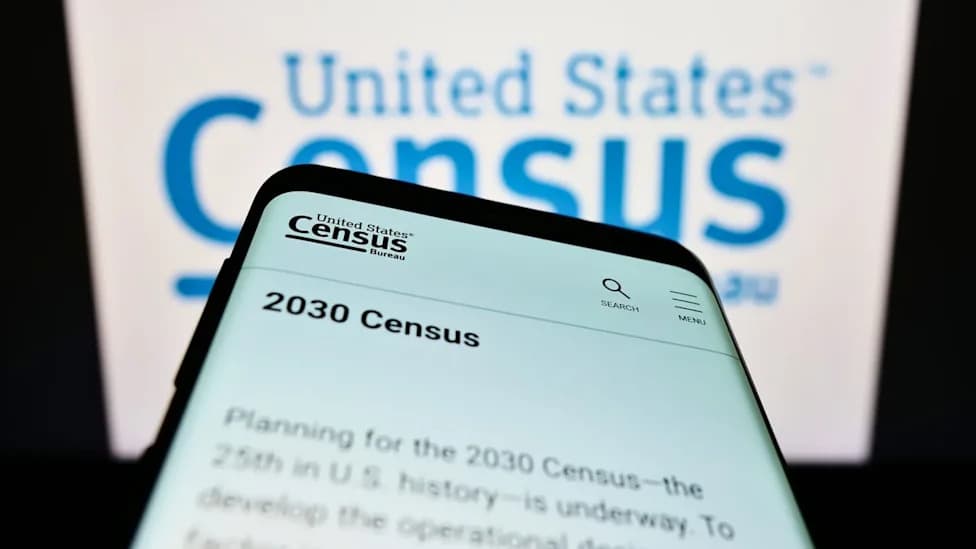
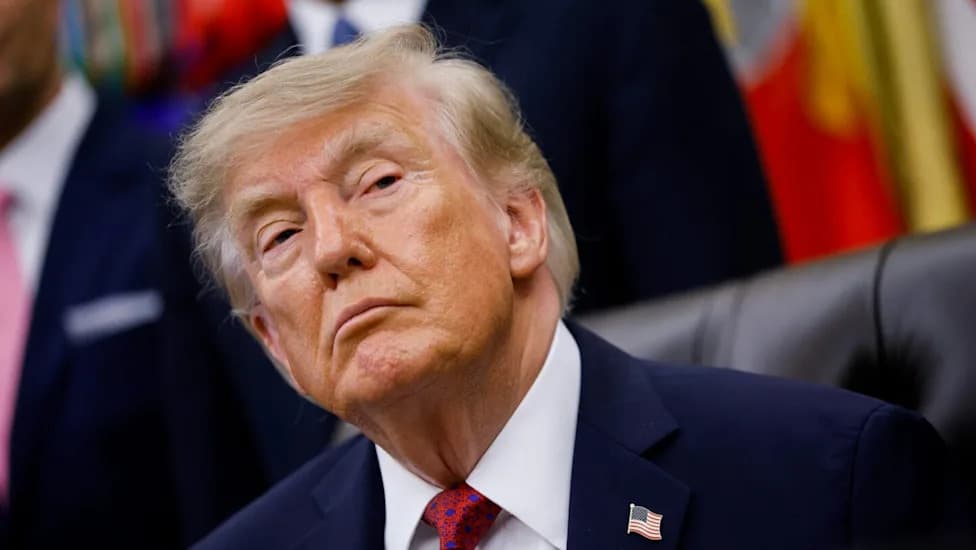
Trump administration proposes sweeping Census changes that could remove key racial data and alter how immigrant populations are counted, prompting advocates to warn of a loss of political power and community resources. (Photo: Adobe Stock)
The Trump administration has proposed a major revision to the 2030 U.S. Census that would eliminate key race and ethnicity questions and change how immigrant populations are counted. Civil-rights organizations, advocacy groups and community leaders warn the move could erase vital data used to allocate funding, enforce civil-rights protections and shape political representation.
What the Proposal Says
According to a filing reported by Time Magazine, the administration argued that "illegal aliens (among others) should not be included in the apportionment count, as they are not true inhabitants, members of the body politic, or persons with a 'usual residence' in the United States due to their lack of a sufficient tie and allegiance to the United States." The filing adds that the census "should be colorblind and should not be distorted in any way by questions about immaterial personal characteristics." The administration opened a 30-day public comment period on the proposed changes.
Community Response
Advocates have strongly pushed back. Josue Perea, executive director of the Afro Latino Forum, called the proposal a form of erasure.
"By removing the race count, we're creating what people claim is a colorblind or race-blind survey... What in the global census movement is known as statistical genocide. We're going to erase a population, so you don't know that those people exist," Josue Perea, Afro Latino Forum
Alexsis Rodgers, Managing Director of Strategy and Impact at the Black Futures Lab, stressed that census racial and ethnic data have been essential both to document harms and to claim resources and recognition for communities.
"The United States Census is a tool of the government to understand our communities. It's used to determine who gets funding, what gets funded, and frankly, what the priorities are for our communities... At its root, these changes are meant to strip communities of color from the power that we've been building over time," Alexsis Rodgers, Black Futures Lab
Why It Matters
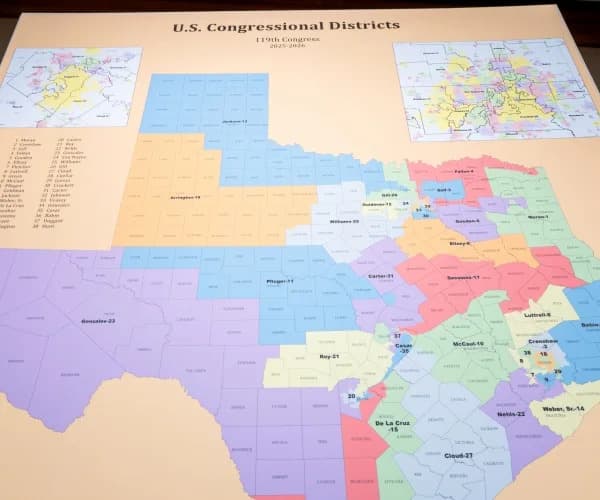
Racial and ethnic data from the decennial census inform congressional apportionment, the distribution of billions in federal funding, enforcement of civil-rights laws, public-health planning and local policy decisions. Removing or combining race and ethnicity questions could make it harder to measure disparities, respond to community needs and hold institutions accountable.
Limitations of Alternative Data
Advocates note that independent surveys and community-led counts (for example, the Black Census Project) can provide valuable insights but lack the legal authority, scale and comprehensive scope of the federal census. As Perea observed, no independent effort can fully substitute for a complete federal count in a nation as large and diverse as the United States.
Calls to Action
Community leaders urge the public to submit comments during the official review period, contact local representatives, and participate in elections. Organizers emphasize that everyday conversations—in families, neighborhoods and social networks—also help raise awareness and build pressure against proposals that would reduce data transparency.
Potential Consequences
Experts warn that removing racial and ethnic metrics could conceal disparities in schooling, health, housing, policing and economic opportunity. Without these official data points, communities may have diminished ability to claim resources, pursue remedies for discrimination, or demonstrate the scope of public problems.
Bottom line: The proposal to make the 2030 census "colorblind" has mobilized civil-rights advocates who argue that erasing race and ethnicity from federal counts would weaken accountability and limit opportunities for marginalized communities.
Help us improve.