Iran has offered to reopen the Strait of Hormuz within days and to begin nuclear talks shortly afterward if the US lifts oil sanctions, ends hostilities on all fronts (including Lebanon) and releases some frozen assets. Tehran says it has agreed a temporary shipping corridor with Oman and would register it with the IMO; China has reportedly endorsed the plan. The proposal faces regional objections—notably from Saudi Arabia and potentially Israel—and raises operational and security questions about military transits and fee arrangements. Iran’s negotiators say they are awaiting a US response while tensions keep oil prices elevated.
Iran Says It Can Reopen Strait Of Hormuz Within Days If U.S. Meets Conditions
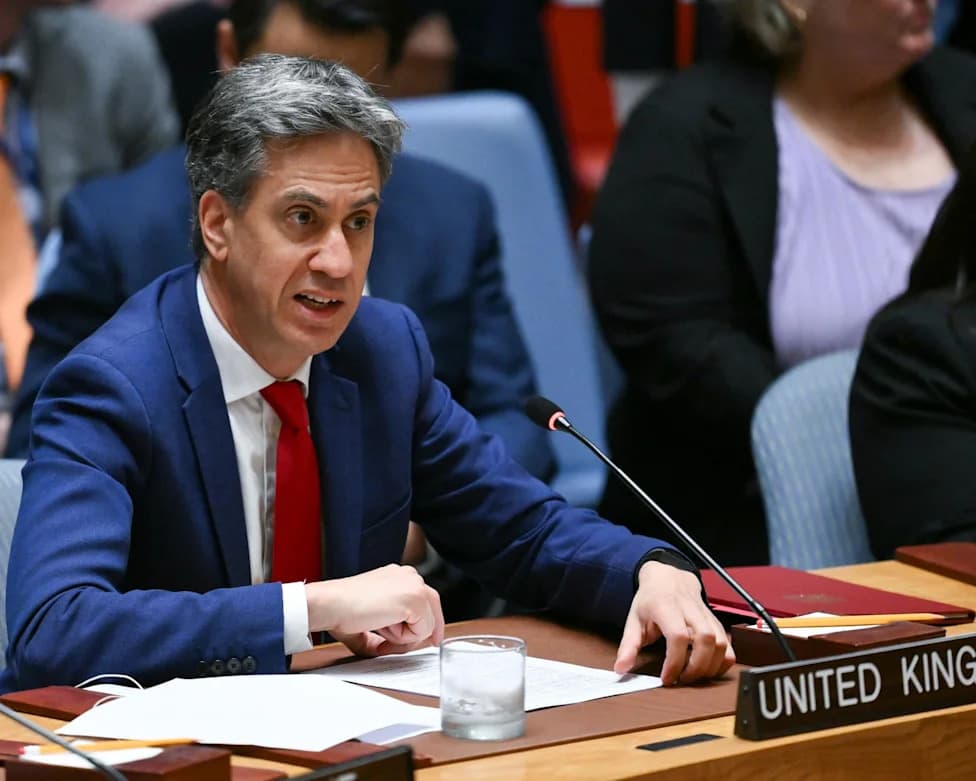
Ed Miliband speaks at a UN security council meeting in New York.Photograph: Angela Weiss/AFP/Getty
Iran has told the United States it could reopen the Strait of Hormuz within days and begin negotiations over its nuclear programme immediately afterward, provided Washington meets a set of political and economic conditions.
Key Proposal And Conditions
Tehran's offer asks the US to lift sanctions on Iranian oil exports, end hostilities on all fronts — including in Lebanon — and release some frozen Iranian assets. Iran says the arrangement would accelerate elements of a memorandum of understanding signed in June by allowing nuclear talks to begin far sooner than previously scheduled.
Route, International Backing And Timetable
Iran says it has agreed a temporary shipping corridor through the strait with Oman and is prepared to register the plan with the International Maritime Organization (IMO). Officials told mediators the strait could be reopened within six days; in a public statement Abbas Araghchi, Iran's deputy foreign minister, said the corridor could be open "within seven days" if the stated conditions are met. China has reportedly offered full support for the proposal.
Regional Obstacles And Security Concerns
Saudi Arabia initially appeared poised to endorse the Oman–Iran route but pulled back amid anger over recent attacks on Saudi territory by Houthi forces in Yemen, which are backed by Iran. Tehran says it has urged the Houthis to stop attacks but does not control Houthi decision‑making directly. Some Iranian military figures have linked the Hormuz proposal to the Bab al‑Mandab strait in the southern Red Sea, warning that additional fronts could open if conflict escalates.
Araghchi: "We have introduced a plan to the US through the mediators that if certain conditions are met, the strait will be open within seven days and talks will start."
Diplomacy, Domestic Politics And International Reactions
Privately, Iranian officials express cautious optimism that a deal with Washington could be reached and that Saudi concerns over parts of the route might be resolved — though they worry Israel may lobby the US to abandon the plan. Iran’s negotiators have said they hope an agreement could be reached before the US midterm elections, arguing reopening the strait would help lower energy prices.
UK Foreign Secretary Ed Miliband met Abbas Araghchi in New York; the meeting was the first UK‑Iran ministerial exchange in a year and the first since the UK proscribed the Islamic Revolutionary Guard Corps (IRGC). Miliband reiterated support for freedom of navigation in the strait, urged a diplomatic solution, and stressed backing for Saudi Arabia in the Yemen conflict. He also raised concerns about Iranian conduct in the UK and sought consular access to a British couple recently sentenced in Tehran.
Operational Questions And Stakes
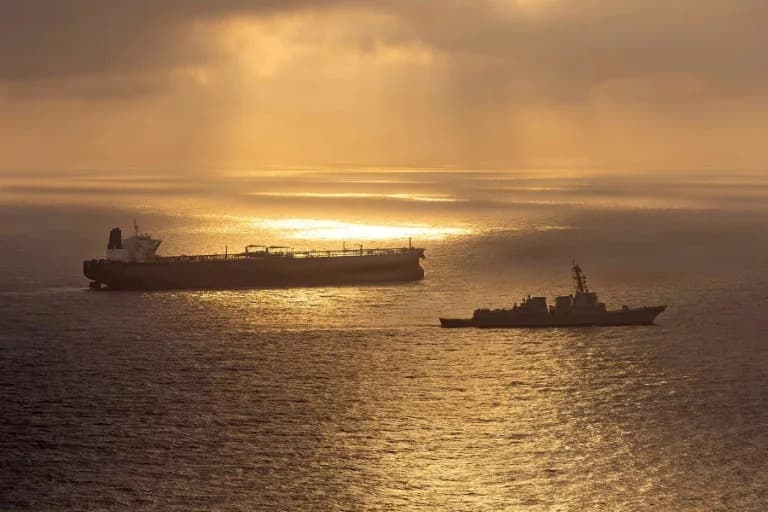
For Washington the plan raises sensitive issues: Iran seeks oversight of the temporary corridor to restrict some military transits, and one Iranian precondition would require hostilities in Lebanon to end — a demand that could draw strong objections from Israel. Practical questions, such as whether Oman or Iran would charge tolls or navigation fees for the corridor, were left for later negotiations.
Military Rhetoric And Energy Markets
IRGC figures have issued stern warnings. Maj Gen Rahim Safavi suggested a new front in the Red Sea might be opened if the US were to start a new war, and Maj Gen Ahmad Vahidi praised Iran's firm UN messaging. Domestically, Iranian leaders balanced defiance with an openness to diplomacy. Brent crude traded near $107 a barrel amid the rising tensions, underlining the global economic stakes.
What Happens Next: Iranian officials say they are waiting for an American response to the proposal. Diplomatic backchannels and regional consultations — particularly involving Saudi Arabia, Oman, China and Israel’s positions — will likely determine whether the plan advances.
Help us improve.