Massachusetts saw a 52% decline in GLP‑1 use for weight loss between 2025 and Q1 2026 after multiple commercial and state insurers curtailed coverage, affecting about 112,000 commercially insured patients. The Health Policy Commission found pre‑rebate GLP‑1 spending in 2025 topped $2.3 billion, with net commercial spending near $1 billion. The agency estimates that repricing to CMS or international reference levels could cut commercial spending by roughly 32%–61%, and federal officials predict major price shifts and a likely return to broader coverage within two to three years.
Insurers Cut Coverage — GLP‑1 Weight‑Loss Use in Massachusetts Falls 52%, Impacting 112,000 Patients

Photo Credit: iStock
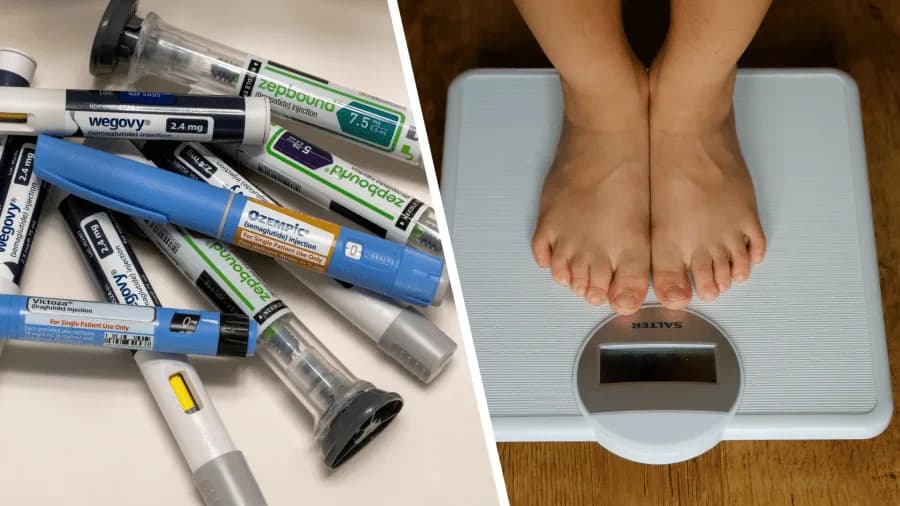
Massachusetts experienced a rapid and dramatic drop in use of GLP‑1 medications prescribed for weight loss after several commercial and state insurers ended or tightened coverage in early 2026. Between 2025 and the first quarter of 2026, use of GLP‑1s for weight loss fell by 52%, equivalent to roughly 112,000 fewer commercially insured people taking these drugs for weight management.
New data from the Massachusetts Health Policy Commission show that about three‑quarters of state GLP‑1 spending in 2025 was tied to weight‑loss indications. Before rebates and discounts, total spending exceeded $2.3 billion, and net commercial spending approached $1 billion. From 2019 through 2025, spending on GLP‑1s for weight loss rose at an average annual rate of 99.5%.
Insurer results varied by plan. Blue Cross Blue Shield of Massachusetts — the largest plan in the commission's sample — saw the share of members using GLP‑1s for weight loss decline from 6.1% in Q4 2025 to 3.7% in Q1 2026. Point32Health fell from 6.5% to 3.3%, and Health New England dropped from 2.9% to 0.9%. Several large commercial and state plans that curtailed coverage in 2026 included the Group Insurance Commission, MassHealth, Blue Cross Blue Shield of Massachusetts, Point32Health, and Mass General Brigham Health Plan.
Patient out‑of‑pocket cost‑sharing in 2025 totaled $136.3 million for weight‑loss GLP‑1 prescriptions versus $45.9 million for GLP‑1s used to treat diabetes. Average monthly cost‑sharing remained relatively stable at about $78 for weight‑loss prescriptions and $66 for diabetes, but many people seeking GLP‑1s solely for weight loss now face new coverage barriers while diabetes indications have generally continued to be covered.
The commission also reported that net prices declined as new GLP‑1 products entered the market from 2019 through Q1 2026, and it expects roughly 12 additional GLP‑1 drugs by 2030 even though leading “blockbuster” products remain patent‑protected into the 2040s. The agency estimated that repricing major products (Ozempic, Wegovy, Mounjaro, Zepbound) to Centers for Medicare & Medicaid Services (CMS)‑negotiated levels would reduce the commercial market by an estimated 32% (about $680 million); applying international reference prices could cut commercial spending by roughly 56%–61%.
“I’d be really surprised if within two years, we don’t see a major price crash in terms of how much GLP‑1s cost,” Health and Human Services Secretary Kiame Mahaniah said, predicting that broader coverage could return within two to three years.
Clinicians and patients warned that abrupt benefit changes can put health outcomes at risk and may force some individuals to pay out of pocket or pause treatment. The commission’s findings highlight tensions among rapid demand growth, high drug spending, insurer budgets, and alternative approaches to weight and metabolic health.
Environmental And Policy Context: Researchers have examined broader effects of GLP‑1–driven weight loss, including potential emission implications.
Diet And Lifestyle Alternatives: Evidence continues to support dietary strategies — for example, vegan or low‑calorie Mediterranean patterns — as effective components of weight and metabolic health management.
Other Health Concerns: Studies have flagged additional risks to metabolic health from behaviors such as vaping.
The report underscores that coverage decisions and drug pricing policy will shape who can access these treatments and how the health system adapts to a rapidly evolving market.
Help us improve.