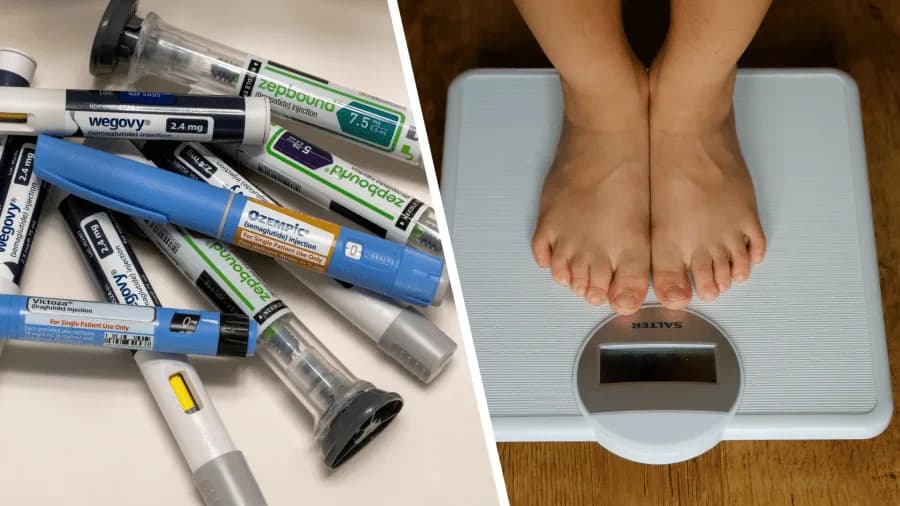
Telemedicine Can Be Rigorous, But Compounded GLP-1s Pose Real Risks. An obesity specialist who treats patients almost entirely by video says they have never prescribed a compounded GLP-1 and calls for stronger FDA enforcement. Compounded versions avoid the inspections and testing required of approved drugs, and some online vendors approved orders in under five minutes. The author urges clear FDA guidance that cost is not a medical justification for compounding and stronger action against misleading telehealth practices.
Stop the Compounded GLP-1 Craze: A Telemedicine Obesity Expert Urges FDA Action

Dr. Adonis Saremi.
I run a medical practice that treats obesity almost entirely by video—labs, medical-history reviews, and follow-up care all managed through telemedicine. Despite that, I have never prescribed a compounded GLP-1 medication.
Both facts are true because high-quality telemedicine does not cut corners. It's time for the FDA to clarify and enforce standards that prevent online vendors, proxy prescribers, and other bad actors from exploiting compounding rules.
Why Compounded GLP-1s Are a Concern
Compounded drugs do not undergo the same inspections, testing, and regulatory reviews as commercially manufactured medicines. Some compounding pharmacies follow rigorous practices—issuing certificates of analysis and performing third-party testing—but others do not. Patients ordering through rapid online channels have no reliable way to know what they are being sold, or even that a meaningful difference exists.
If a patient calls with side effects weeks into treatment, clinicians must be able to determine whether the active ingredient, the dose, or an impurity caused the reaction. Without gold-standard oversight, vial contents may not match labels; sterility lapses and dosing errors are real and documented risks.
Medical Oversight Must Continue Beyond The First Visit
Before I prescribe any GLP-1, I review a patient’s diabetes history, sleep apnea status, eating-disorder history, and current medications that could interact. I monitor body composition across treatment because rapid weight loss without adequate protein can harm muscle and bone. Almost none of that careful supervision is happening in many flashy online portals: a recent study found virtually no clinician involvement and some orders approved in under five minutes—commercial fulfillment, not medical care.
How Sellers Circumvent Compounding Rules
Federal law allows pharmacies to compound for an individual patient’s medical need—such as an ingredient allergy or a swallowing difficulty—or to fill temporary shortages. When GLP-1 shortages ended more than a year ago, some vendors added ingredients (often vitamin B12) and marketed their products as "personalized." These combinations have not been studied in humans, and mass-producing such workarounds does not meet the legal or medical standard of individual medical necessity.
"If you can't name the medical reason your patient needs a knockoff GLP-1, you don't have one."
What the FDA and Clinicians Should Do
The FDA should issue clear guidance that: cost alone does not justify compounding; compounded GLP-1s are not like-for-like substitutes for approved products; and prescribing them without documented medical necessity endangers patients and physicians' licenses. Vague admonitions are ineffective—regulators must enforce the rules and target misleading advertising, proxy prescribers, and companies that treat medical care as fulfillment.
Clinicians should also hold the line. Telemedicine is an excellent tool for expanding access to expert chronic-care management, but a questionnaire is not a physician—and untested lookalikes are not medicines. Until there is solid evidence of safety and efficacy, I will not prescribe unapproved or inadequately tested compounded substances.
Doctors and regulators alike must prioritize patient safety over convenience and cost-cutting. Without decisive action, the problem will only grow: an FDA advisory panel recently recommended adding six unapproved peptides to the list of substances that can be compounded in bulk despite minimal human evidence supporting their use.
Bottom line: There is no bargain in medicine when you cannot be sure what you are getting. Patients deserve transparent products, rigorous oversight, and accountable prescribing—especially when care is delivered online.
Help us improve.