Rising seas and storm waves have effectively split San Clemente’s North Beach, narrowing shorelines and destabilizing bluffs that threaten a critical seven-mile stretch of coastal rail. City officials estimate a 3 million-cubic-yard sand deficit — roughly 300,000 truck trips — and voters are weighing a 1% sales tax to fund beach replenishment and wildfire protection. Officials warn that a projected El Niño in 2026 could make flooding and erosion worse, prompting debates over nourishment, shoreline hardening, and possible rail relocation.
San Clemente’s North Beach Is Being Carved Away: Rising Seas Split Shoreline, Threaten Rail Corridor
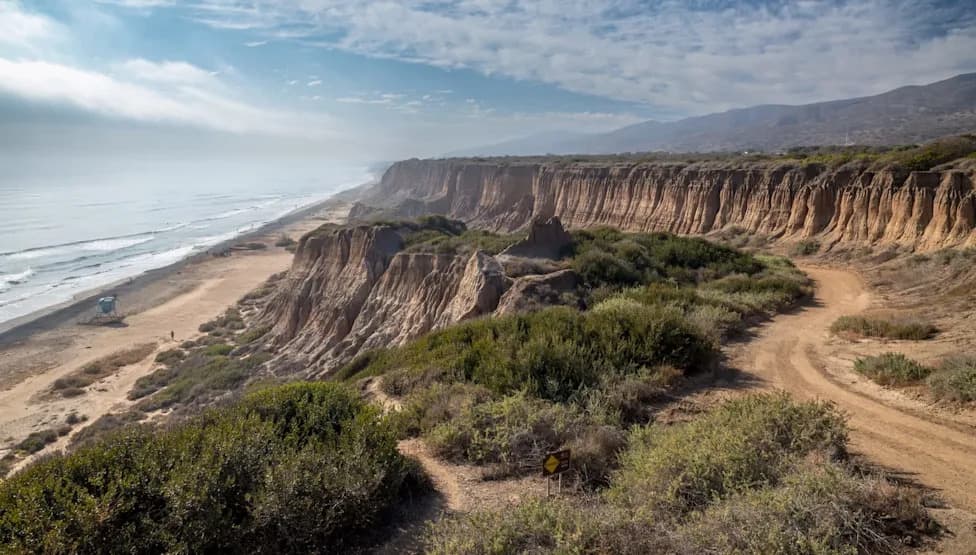
Photo Credit: iStock
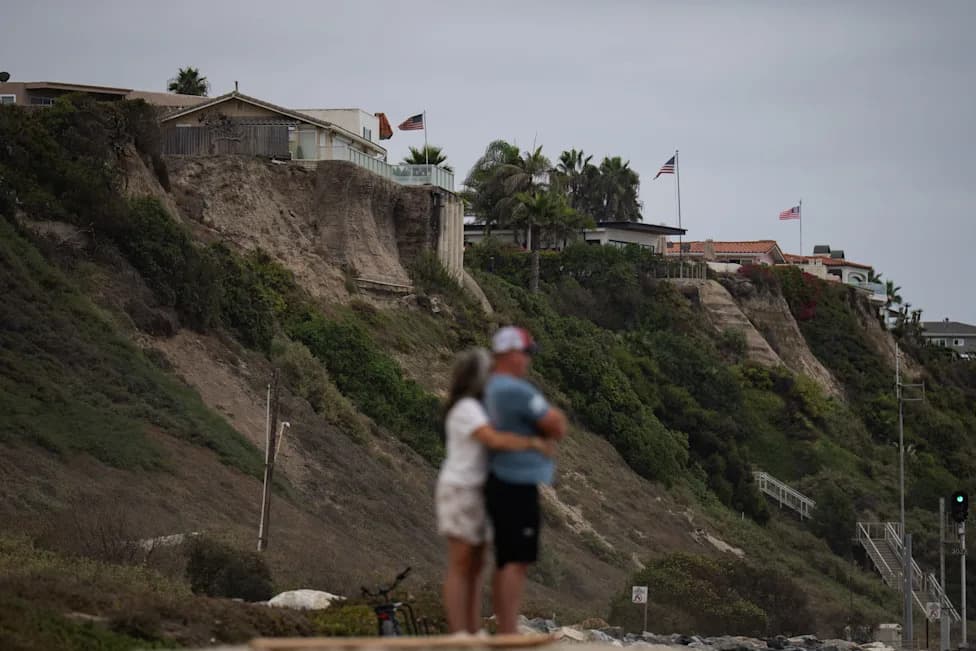
San Clemente is already showing the effects of sea-level rise and stronger storms as rising seas and powerful waves have effectively split North Beach in two. The visible damage — narrowed beaches, destabilized bluffs, and repeated interruptions to a coastal rail line — offers a clear example of what happens when sea-level rise meets dense coastal development.
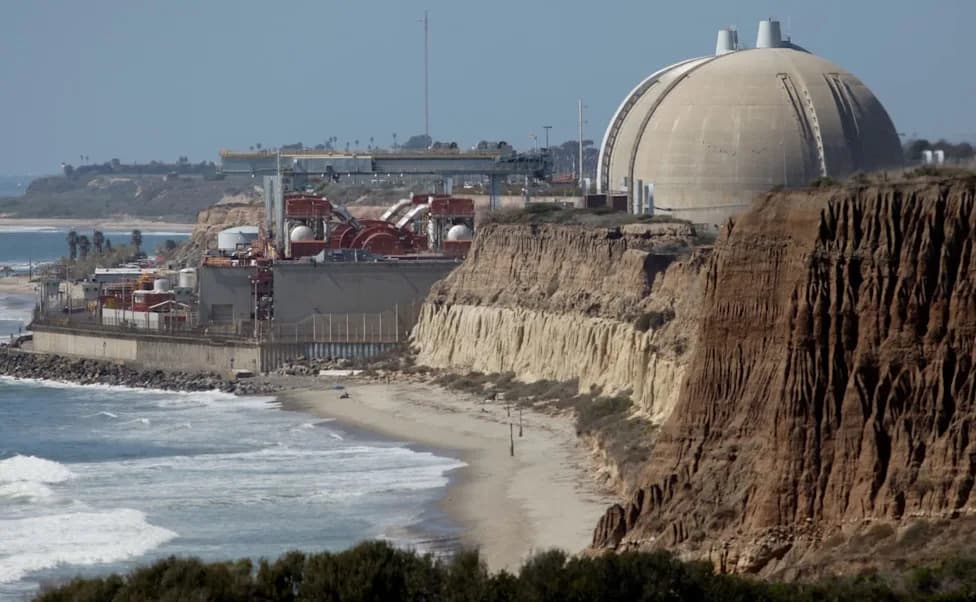
The city of roughly 62,000 residents has lost significant sand along North Beach while instability on nearby bluffs has repeatedly disrupted a vulnerable seven-mile rail segment that forms part of a 351-mile corridor linking San Diego, the Los Angeles County port complex and San Luis Obispo. That corridor carries passenger service as well as freight and military trains.
“It is going to keep rising, and rising, and the beaches will retreat landward,”said Sean Vitousek, a research oceanographer with the U.S. Geological Survey, summarizing projections that more than half of Southern California’s beaches could be significantly eroded by 2100.
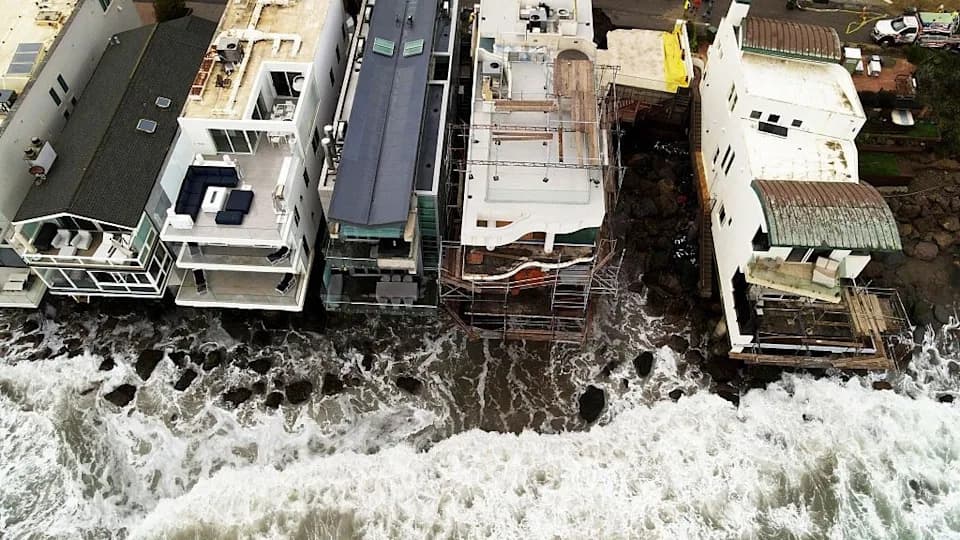
El Niño years amplify the danger. Recent storm surge pushed seawater into homes in Long Beach, and Pacifica closed a damaged concrete pier. Researchers warn that El Niño events are intensifying in a warming world, increasing the frequency and severity of coastal flooding and erosion.
A major factor in San Clemente’s loss of sand is a reduced sediment supply caused by coastal development and upstream changes — natural beach-rebuilding processes no longer replenish the shoreline as they once did. City Manager Andy Hall estimates a roughly 3 million-cubic-yard shortfall in sand, an amount that would require about 300,000 truck trips to import and place on local beaches.
Residents feel the change acutely. Cameron Cosgrove, who helped draft a local tax measure, said the town has “lost our walkable beach,” noting that the continuous stretch of sand that once allowed long coastal walks is now broken. To protect critical rail infrastructure, officials have installed rock armor in places, but that hardening can worsen long-term beach loss: waves hitting rock structures can pull sand offshore and accelerate erosion.
City leaders and transportation officials are pressing for beach nourishment — importing sand to rebuild the shore — while weighing longer-term options, including moving tracks inland. The Orange County Transportation Authority and city officials say securing state permits for sand placement has been slow, and California’s emergency declaration ahead of the projected El Niño in 2026 may speed approvals. San Clemente voters are considering a 1% sales tax ballot measure to fund wildfire protection and beach replenishment.
Opponents urge a broader approach: City Councilman Zhen Wu, a critic of the local tax plan, argues San Clemente should pursue a regional strategy rather than rely solely on a municipal levy. Transportation CEO Darrell Johnson says officials will study inland relocation of the rail corridor if long-term shore protection proves infeasible.
What This Means Beyond San Clemente
San Clemente’s shrinking shoreline reflects pressures playing out on coasts around the world, where rising seas are increasingly overwhelming roads, homes and essential infrastructure. Examples include:
- Across the U.S., roads and neighborhoods are being inundated more frequently as sea levels rise.
- On Tunisia’s coast some beaches face disappearance within years as erosion advances.
- In Maine’s Sipayik, sea-level rise is washing away land central to Passamaquoddy tradition.
- In South Florida, chronic inundation is worsening as seawater pushes into neighborhoods.
- On Massachusetts’ Cape Ann, communities are struggling without a centralized plan for managed retreat.
San Clemente’s situation underscores a growing policy challenge: how to balance short-term protective measures with longer-term, often costly decisions about infrastructure relocation, regional sand management, and where to allow — or prohibit — coastal development as seas continue to rise.
Help us improve.