An Orange County Reddit post reporting unusually warm ocean water drew hundreds of replies, with many locals blaming a particularly strong El Niño. Commenters also pointed to three Pacific hurricanes that may have pushed warm water northward and to climate change as an amplifying factor. Scientists warn a marine heat wave covers roughly 13.5% of the planet and that El Niño could expose large portions of the ocean to damaging heat, with local consequences for beaches and ecosystems.
Southern California Swimmers Notice 'Hot' Ocean — Locals Blame Off-the-Charts El Niño, Storms and Climate Change
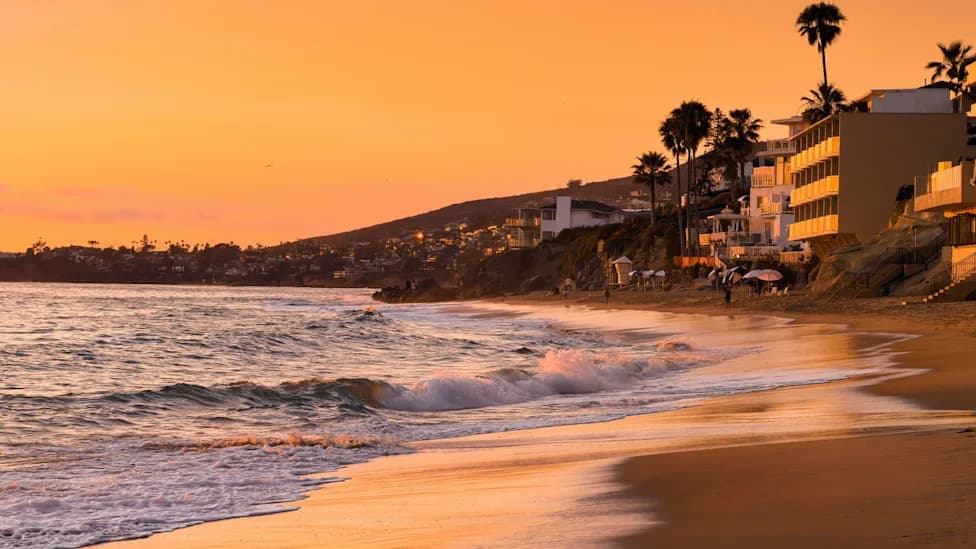
Photo Credit: iStock
Many Southern California residents expect cool Pacific surf, so when an Orange County beachgoer reported that the ocean felt unusually warm, the observation sparked a large online conversation about changing ocean conditions.
The comment appeared on the r/OrangeCounty subreddit:
"I am very confused why the beach water is hot now. In my whole life living here, it's never been hot! This will only bring more sharks, like in Florida, and so many other things, we can't even imagine!"
Hundreds of replies followed as locals tried to explain what felt like a shift in sea temperature. Many pointed to a strong El Niño event — a climate pattern that can alter winds and ocean currents and, in turn, raise sea surface temperatures along the U.S. West Coast.
What People Are Saying
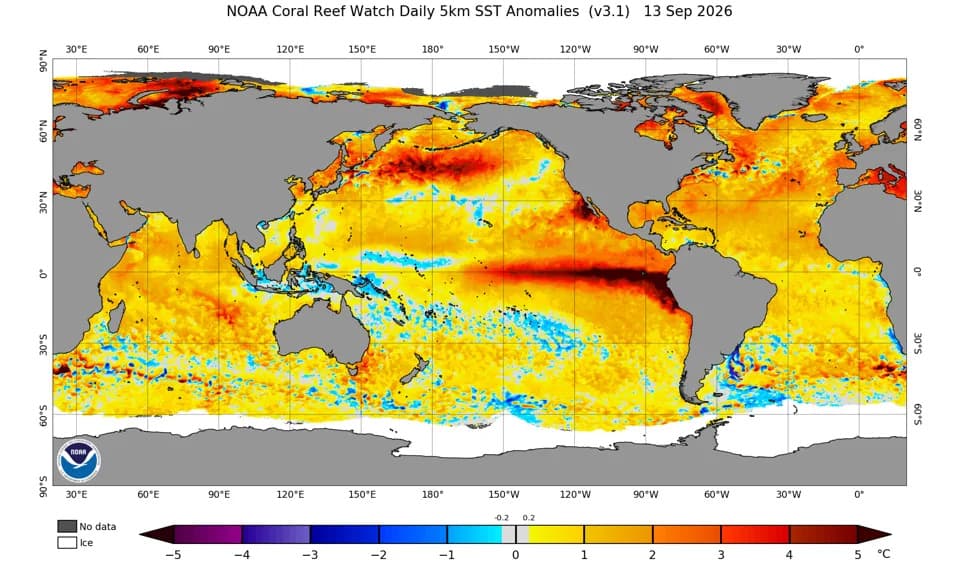
Comments ranged from blunt assessments to simple explanations of ocean mechanics. One user wrote that this is "literally an off the charts El Niño," suggesting sea surface temperatures are warmer than in recorded history. Others noted the warmth has been noticeable since mid-summer.
Another common explanation described how El Niño changes typical coastal circulation: normally, coastal upwelling brings colder water from the north and offshore to the surface; during El Niño, that pattern weakens and warmer equatorial water can shift northward.
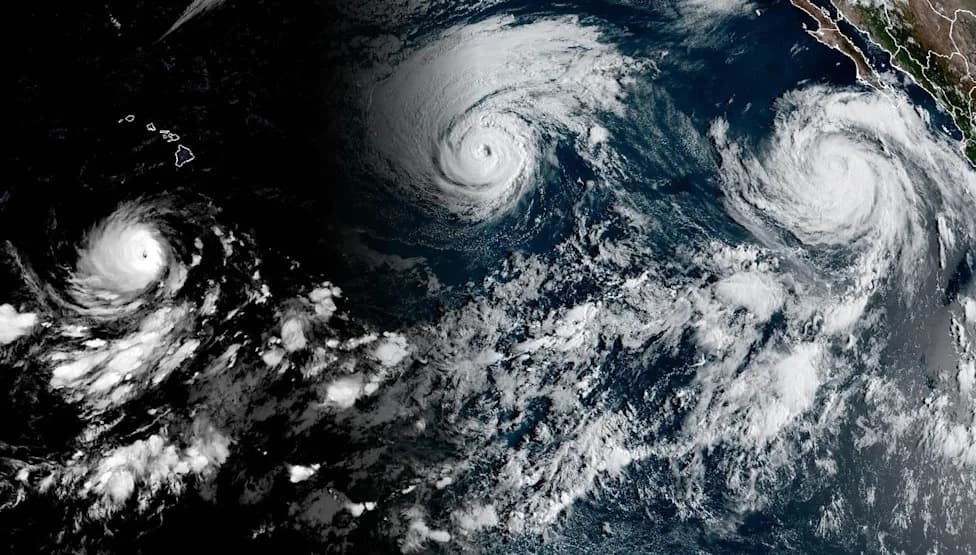
Several commenters also cited recent tropical activity: "Additionally there were three hurricanes off the Pacific coast moving from the south to the north west bringing abundant warm water to us. Doesn't happen often but there's a reason why the water is warmer." Tropical systems and large storms can redistribute warm surface waters and affect local sea temperatures.
Science And Broader Concerns
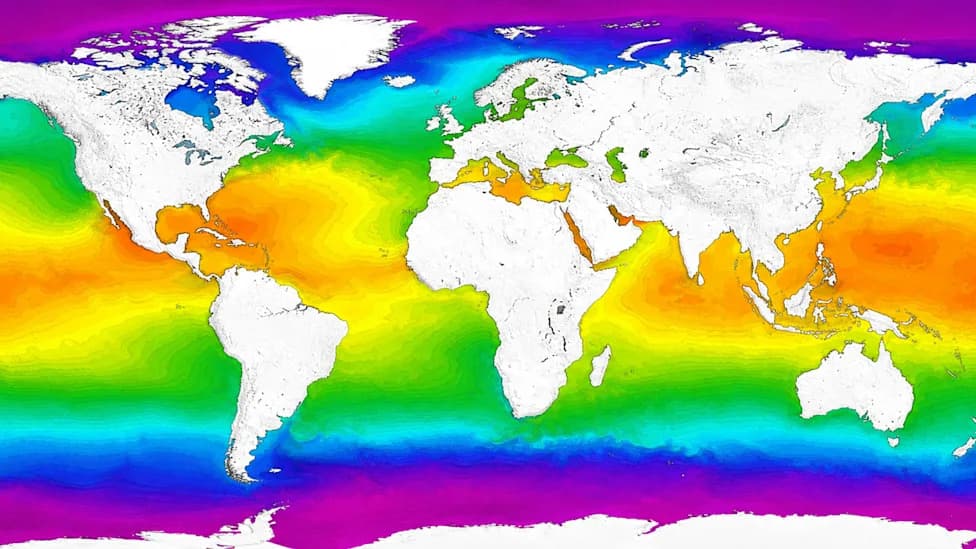
Scientists and forecasters monitoring the Pacific note that a marine heat wave currently covers roughly 13.5% of the planet's surface, a condition that can disrupt marine ecosystems and alter regional weather patterns. Some forecasts warn that a return to El Niño conditions could expose a large portion of the global ocean to damaging heat at times.
Many commenters also raised the role of long-term climate change as an amplifying factor: warmer baseline ocean temperatures make heat anomalies stronger and more likely to persist.
Why It Matters Locally
Locals tied the warmer water to possible local impacts, from changes in marine life distribution (including higher shark activity in anecdote-driven conversations) to expanded ranges for insects and pathogens. Coastal managers and scientists emphasize that warmer seas, together with rising tides, are reshaping Southern California beaches and coastal communities.
Whether prompted by El Niño, recent storms, or long-term warming, the Reddit thread highlights how everyday observations by swimmers and beachgoers can spark broader discussions about ocean health, local risks and climate-driven change.
Help us improve.