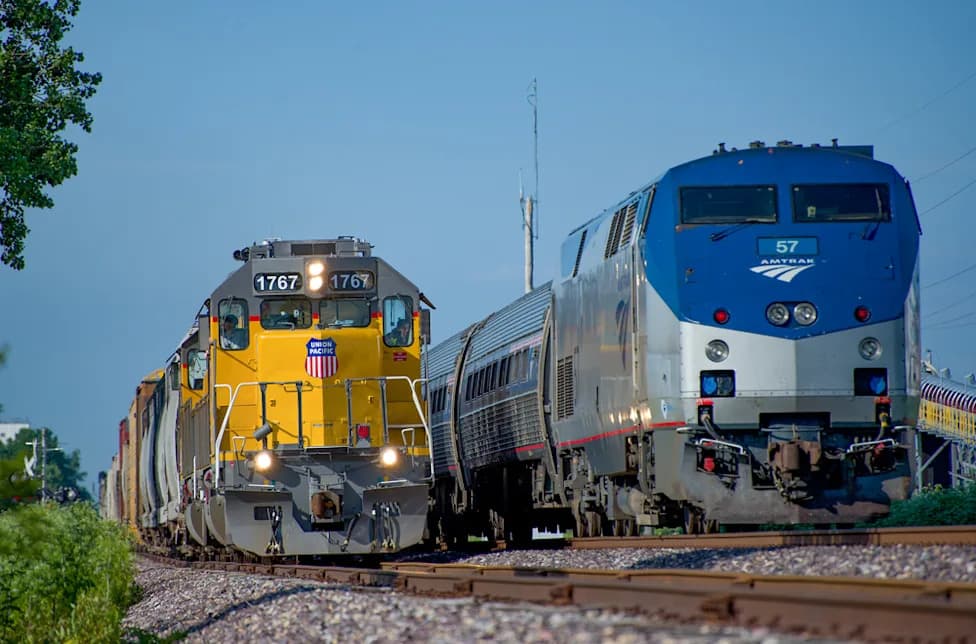
America's waterfronts are reviving, but dockside rail lags behind. Targeted use of FRA CRISI grants, regulatory leverage and faster permitting can restore last-mile rail service to shipyards, open inland ports, and reduce heavy-truck traffic. Critical bottlenecks — including the Benicia-Martinez drawbridge — constrain inland waterways and military terminals. Federal leadership and public–private coordination are needed now to lock in economic and national-security gains.
Bring Rail Back To The Docks: How Waterfront Rail Unlocks A Navy And Shipbuilding Revival
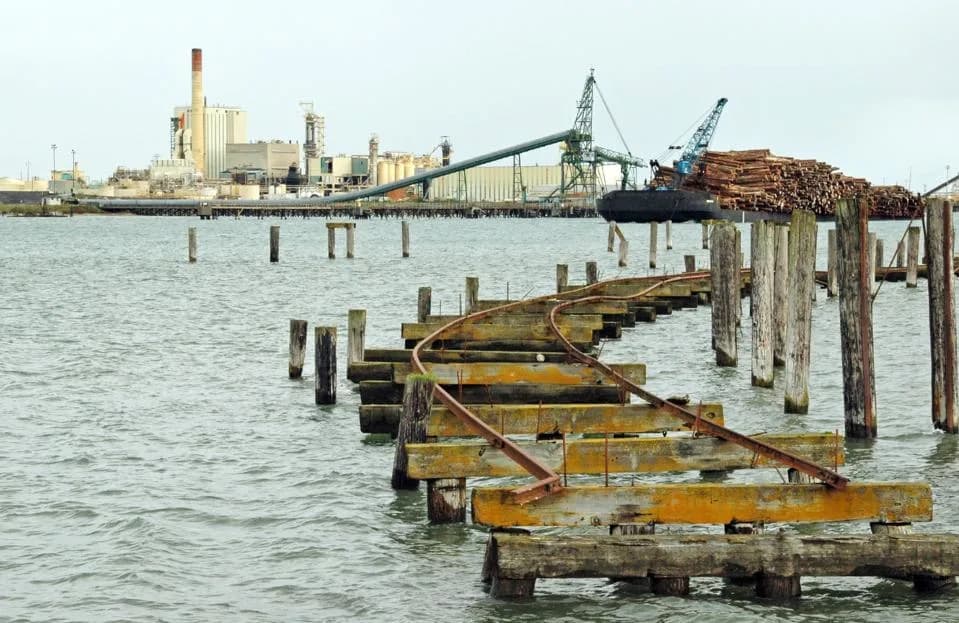
It is time for rail to return to America's waterfront.getty
America's waterfronts are experiencing a rebirth: new shipyards, advanced maritime technologies and renewed manufacturing are returning heavy industry to ports that long sat idle. Yet this industrial revival risks being undercut by a critical logistical gap — U.S. freight railroads, historically the backbone of dockside manufacturing, are not yet configured to move at the speed and scale that modern naval and commercial shipbuilding demand.
Why Waterfront Rail Matters
Rail is cheaper, cleaner and better suited to heavy, long-haul cargo. The Association of American Railroads reports that rail moves one ton of freight nearly 500 miles per gallon of fuel on average, making it far more efficient than trucking for heavy materials. For shipbuilders, these efficiencies add up quickly: a 689-foot military cargo ship requires roughly 20,000 tons of steel, while a modest double-hulled oil tanker can need about 40,000 tons — roughly 400 railcars versus 1,600–2,000 truck trips.
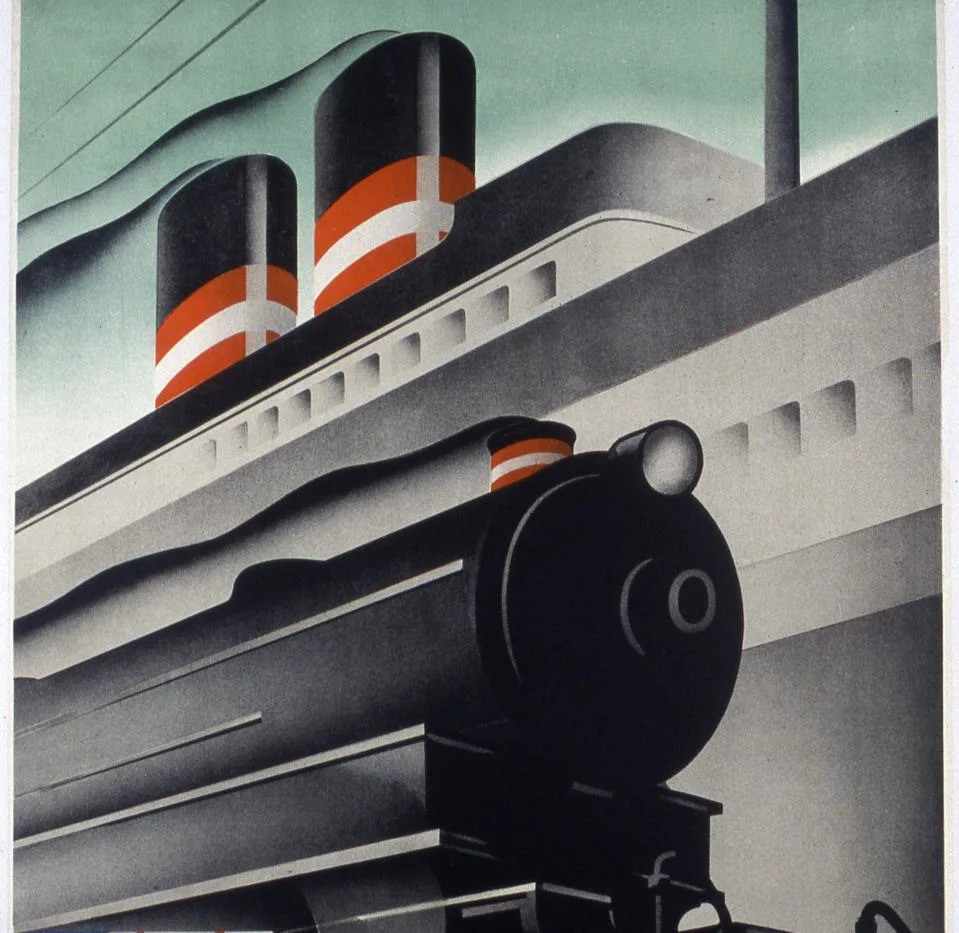
The once-strong association between rail and the waterfront, clear in this 1920's poster, must be reinvigorated.
Historic Precedent: Rail Built The Waterfront
From the late 19th century through the mid-20th century, railroads were integrated with docks, steel mills and shipyards. As Captain Stephen M. Carmel, Administrator of MARAD, notes, companies like the Pennsylvania Railroad invested in shipbuilding and waterfront infrastructure to create pioneering intermodal solutions. During World War II, rail enabled distributed shipbuilding: Denver-area firms produced modular hull sections that were shipped by rail to Vallejo for final assembly — a model that could be revived today if the supporting rail links existed.
Current Bottlenecks And Risks
Decades of residential encroachment, a shift toward high-volume container terminals, and the removal of sidings and small-industry connections have left many shipyards without dependable last-mile rail. The consequences are practical and sometimes dangerous: in 2007 a 200-ton diesel-electric engine slipped off its truck during a short delivery from rail to General Dynamics NASSCO in San Diego, nearly crushing a bystander and disrupting production on a Navy support ship program.
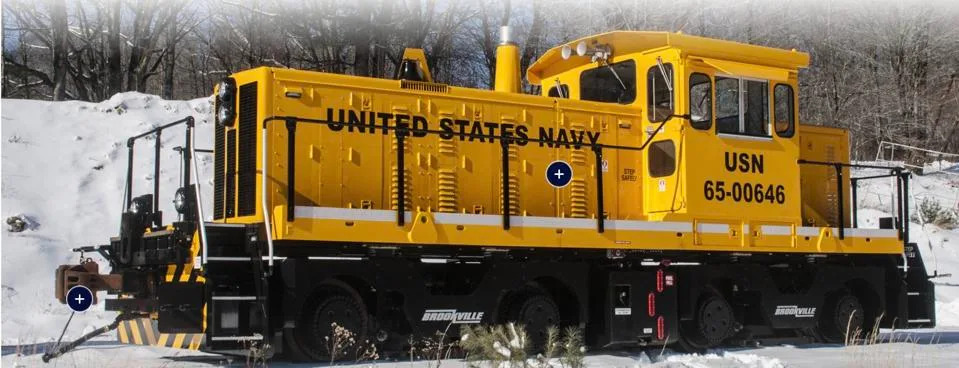
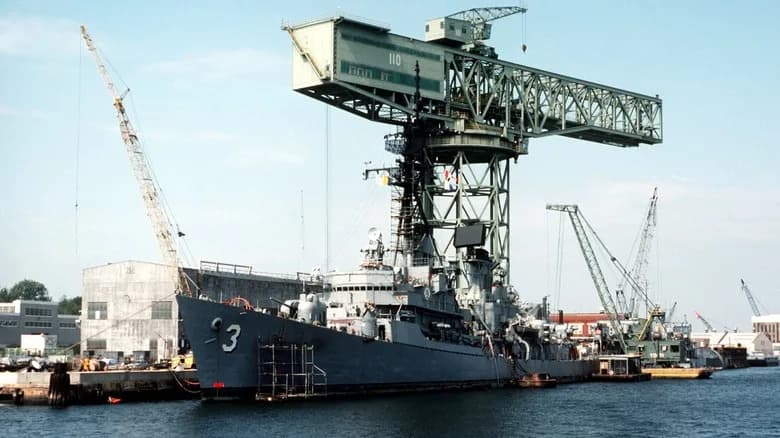
Navy-operated trains used to be a frequent sight in shipyards across America
Case Study: Benicia-Martinez Railroad Drawbridge
The 96-year-old Benicia-Martinez Railroad Drawbridge over the Carquinez Strait is both seismically vulnerable and too low for some modern vessels, constraining upstream access to Sacramento, Stockton, Pittsburg and Antioch. That limitation reduces the utility of Military Ocean Terminal Concord and diminishes inland-port options for both commercial and military logistics.
Tools And Policy Levers To Reintegrate Rail
Federal grants and regulatory leverage can accelerate waterfront rail restoration. Programs such as the FRA's Consolidated Rail Infrastructure and Safety Improvements (CRISI) grants should be targeted to reconnect docks, rebuild sidings, and modernize obsolete alignments. Large regulatory moments — for example, major railroad mergers or federal infrastructure initiatives — create leverage for the federal government to press railroads and states to prioritize waterfront investments.

U.S. Transportation Secretary Sean Duffy can push rail to the waterfront again.
Practical steps include:
- Prioritizing CRISI and similar grants for projects that reinstate last-mile service to shipyards and naval facilities.
- Expediting federal permitting for projects with clear national-security or commercial-competitiveness benefits.
- Coordinating state, local and private railroad partners to rebuild critical bridges and reopen sidings that enable distributed manufacturing.
Why Speed Matters
America's industrial waterfront is a strategic asset. As shipbuilding ramps up to meet both commercial opportunity and national-security needs, slow-moving rail planning and missing last-mile links risk creating chokepoints that increase cost, delay programs, and raise safety risks. Restoring and modernizing waterfront rail is not nostalgia — it is a pragmatic investment in supply-chain resilience, economic competitiveness and defense readiness.
Conclusion
Reintegrating rail with the docks will require federal leadership, focused funding, and collaboration among railroads, ports, shipbuilders and local governments. With targeted use of CRISI grants, regulatory leverage, and accelerated permitting, the United States can restore the efficient, safe, and scalable rail links that powered past maritime industrial booms — and that are essential to the next one.
Help us improve.