Rising seas and stronger waves have dramatically eroded San Clemente’s North Beach, undermining bluffs, damaging homes and repeatedly closing a 7-mile stretch of a 351-mile coastal rail corridor. Temporary rock defenses protect tracks but can accelerate sand loss. The city (pop. ~62,000) is considering a 1% sales tax to fund beach nourishment, while officials weigh inland rail relocation or suspending service if long-term protection proves infeasible. Experts warn that sea level rise and intensifying El Niño events driven by climate change will continue to pressure the coast.
Sea-Level Rise Shrinks San Clemente Beach and Puts Key Coastal Rail Line at Risk
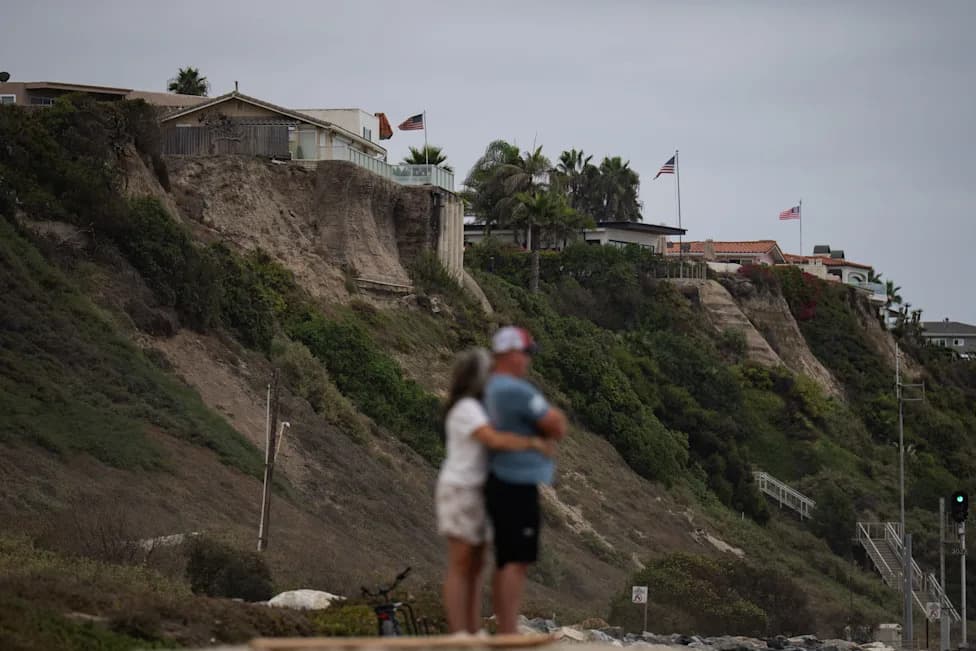
A couple hug at North Beach as crumbling seaside bluffs are seen behind them in San Clemente, Calif., Friday, Sept. 18, 2026. (AP Photo/Jae C. Hong)(AP Photo/Jae C. Hong)
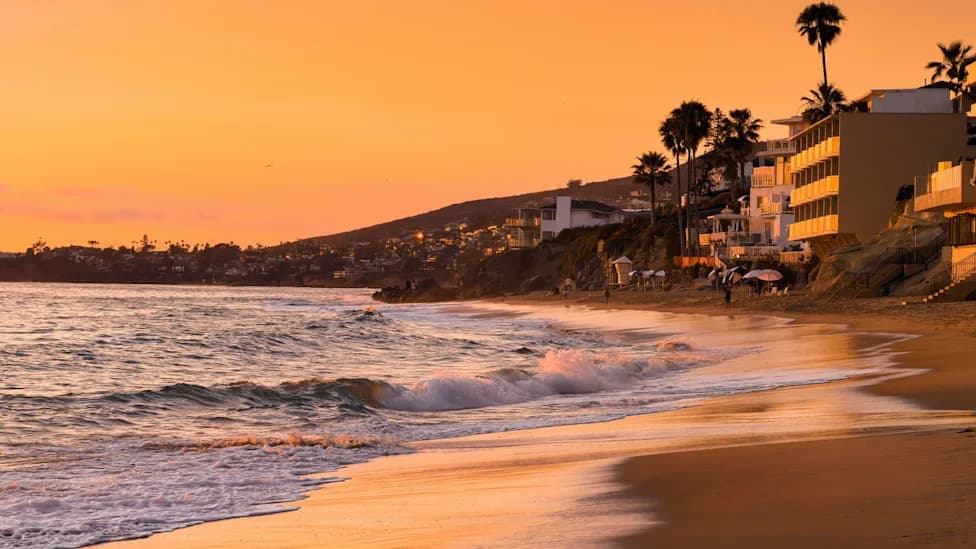
For decades, residents of San Clemente—long marketed as a “Spanish village by the sea”—could stroll a mile along pale sand and dip their toes in the surf. That stretch of shoreline has narrowed dramatically as rising seas and stronger waves push the coast landward, carving away North Beach and undermining seaside bluffs and homes.
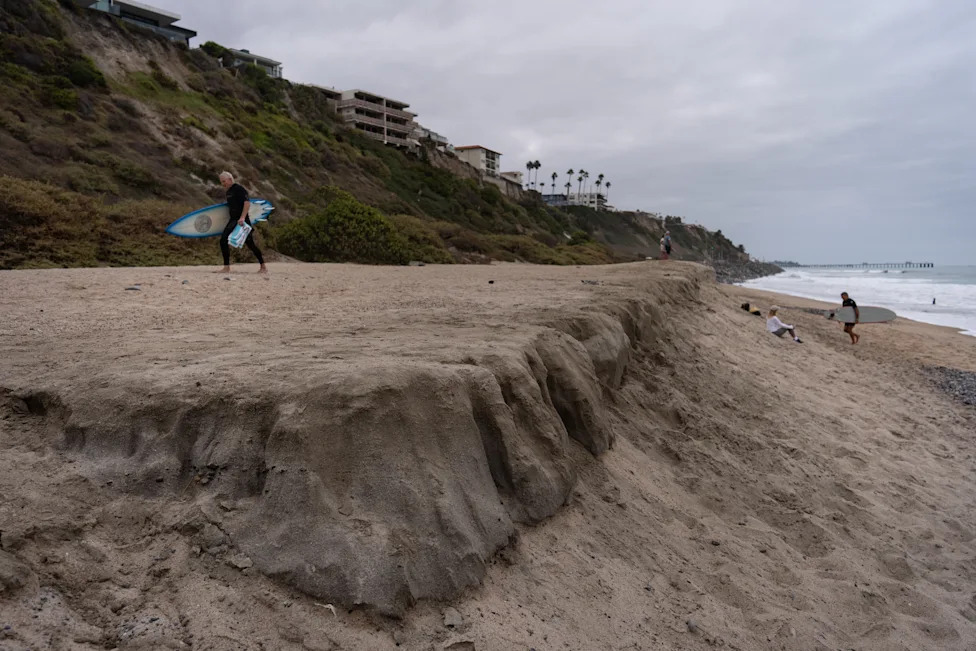
Surfers walk along North Beach in San Clemente, Calif., Friday, Sept. 18, 2026. (AP Photo/Jae C. Hong)(AP Photo/Jae C. Hong)
Erosion, Rising Seas and Stronger Storms
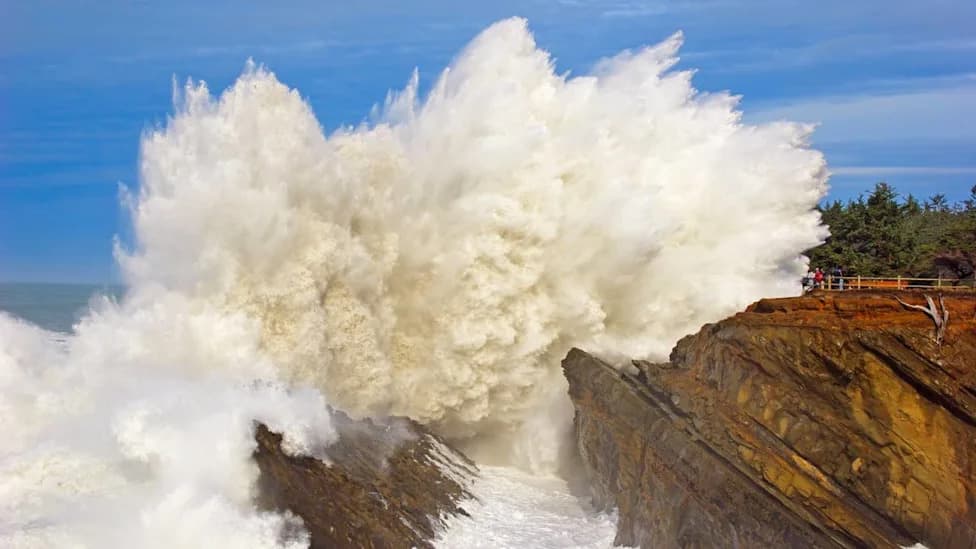
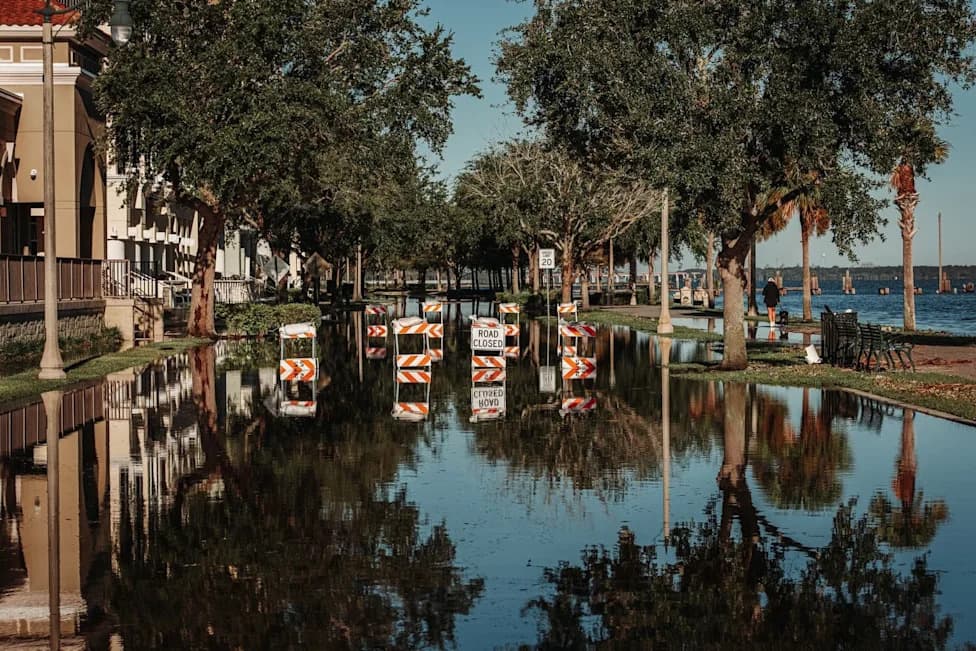
Scientists warn that sea level rise will continue to press coastlines inland. Nearly a decade ago, researchers forecast that more than half of Southern California’s beaches could experience major erosion by 2100. Warmer ocean temperatures and altered wave patterns—made worse during El Niño events that are growing stronger with human-driven climate change—are already increasing flood and landslide risks along the coast.
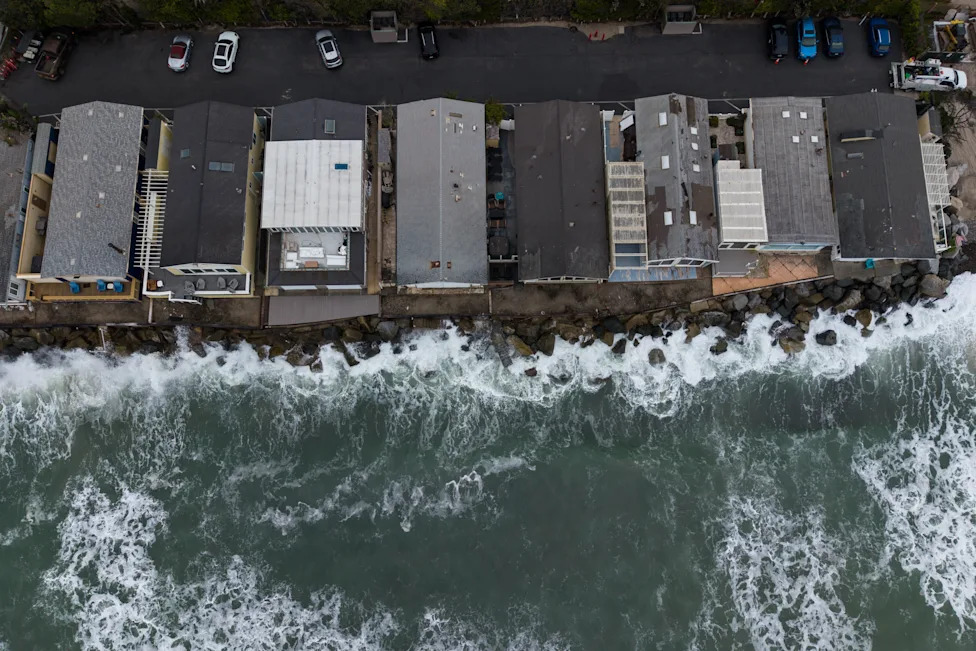
Oceanfront homes sit along the coastline near North Beach in San Clemente, Calif., Friday, Sept. 18, 2026. (AP Photo/Jae C. Hong)(AP Photo/Jae C. Hong)
"The constant pressure is sea level rise. It is going to keep rising, and rising, and the beaches will retreat landward," said Sean Vitousek, research oceanographer with the U.S. Geological Survey.
Threat To A Vital Rail Corridor
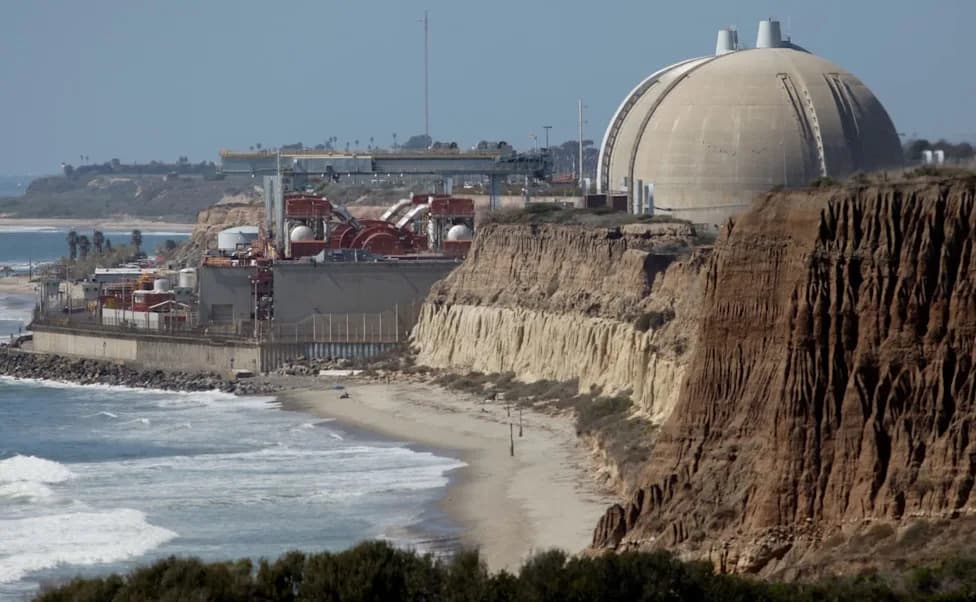
A vulnerable 7-mile (11-km) coastal segment that runs past San Clemente is part of a 351-mile (565-km) passenger rail corridor connecting San Diego with Los Angeles County and extending north to San Luis Obispo. Over the last five years that segment has faced multiple closures as surf encroaches from the ocean side and unstable bluffs erode from the landward side. The line also carries freight and serves military logistics.
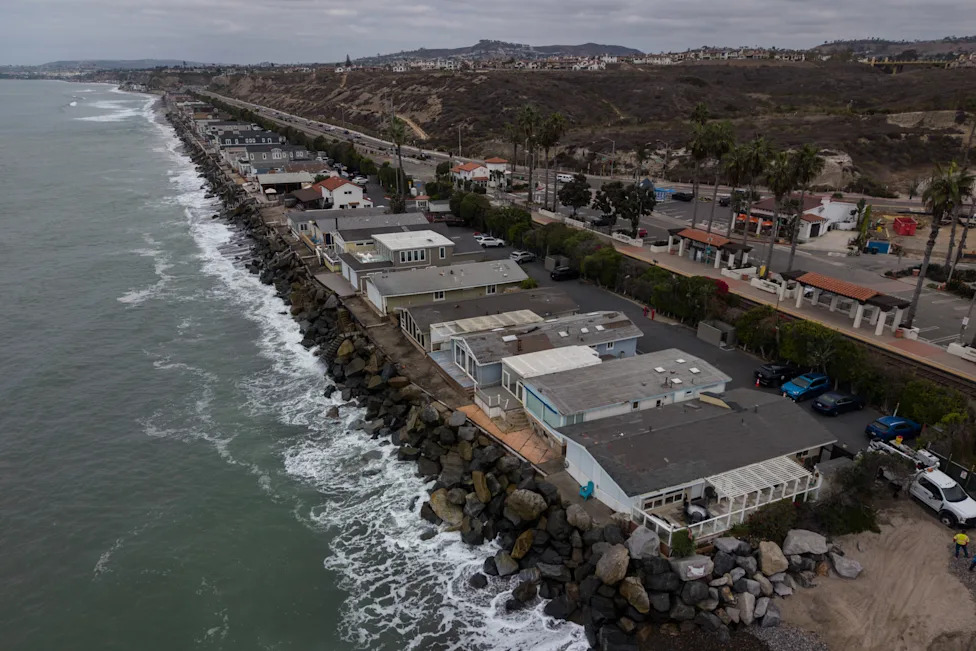
Oceanfront homes sit along the coastline near North Beach in San Clemente, Calif., Friday, Sept. 18, 2026. (AP Photo/Jae C. Hong)(AP Photo/Jae C. Hong)
Officials have placed rock revetments to protect the tracks temporarily, but those hard structures can scour sand offshore and accelerate local beach loss. Transportation leaders say long-term options include large-scale beach nourishment, relocating the rail alignment inland, or, if neither is feasible, suspending service on the segment.
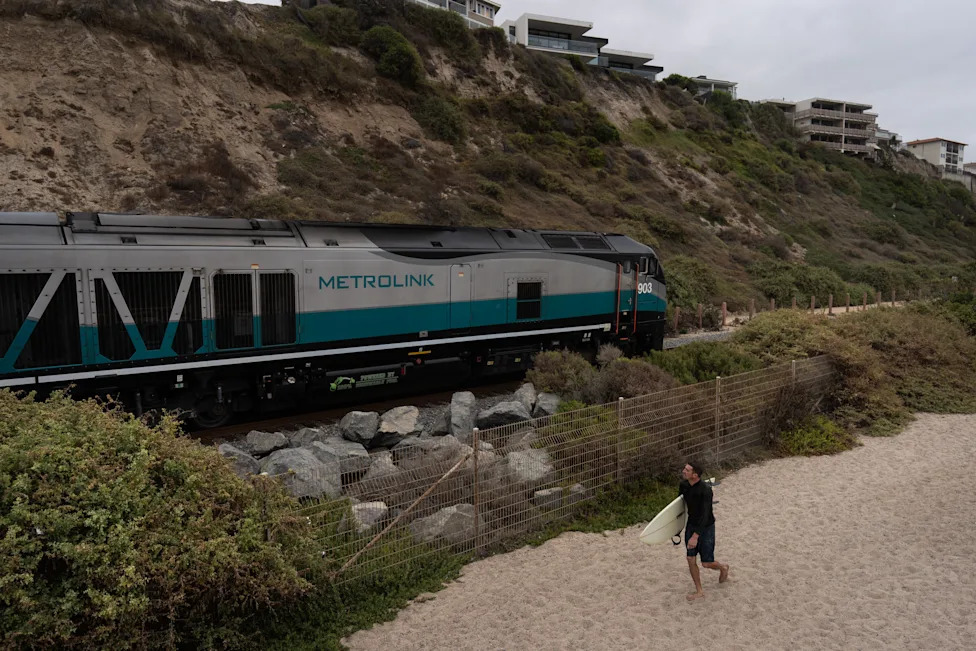
A surfer walks along North Beach as a Metrolink train travels along the coast in San Clemente, Calif., Friday, Sept. 18, 2026. (AP Photo/Jae C. Hong)(AP Photo/Jae C. Hong)
Local Response: A Tax, And A Broader Debate
San Clemente (population ~62,000) is weighing a ballot measure to add a 1% sales tax to fund wildfire protection and beach nourishment. City Manager Andy Hall estimates the community faces a sand deficit of roughly 3 million cubic yards—an amount that would require roughly 300,000 truck trips to deliver by road.
Supporters argue local funding is needed to protect beaches, homes and critical infrastructure. Opponents back nourishment but urge a regional approach instead of a local tax. "Fighting Mother Nature is very expensive," said City Councilman Zhen Wu, who opposes the measure.
Permitting, Costs And The Road Ahead
Darrell Johnson, chief executive of the Orange County Transportation Authority, said securing state permits for sand placement has been a major hurdle, and officials hope an emergency declaration ahead of the upcoming El Niño will speed approvals. Relocating rail inland has been explored in the past but was considered cost-prohibitive; that calculus may shift as erosion continues.
Residents and local experts emphasize the role of sand as a protective buffer that softens wave energy and preserves walkable beaches and surf breaks. "When you see those rocks, that's them attempting to fight the ocean," said Charlie Fox, a longtime surfer and marine meteorologist. "That is a futile endeavor. The ocean wins. Ocean always eventually wins."
What This Means
San Clemente’s situation is a local example of a broader challenge facing California’s coast: balancing immediate protections and repairs with longer-term, often costly choices about retreat, relocation, or continued nourishment. As climate-driven sea level rise and stronger storm patterns intensify, communities, transportation agencies and regulators will face increasingly urgent decisions about how to protect people, property and critical infrastructure.
Help us improve.