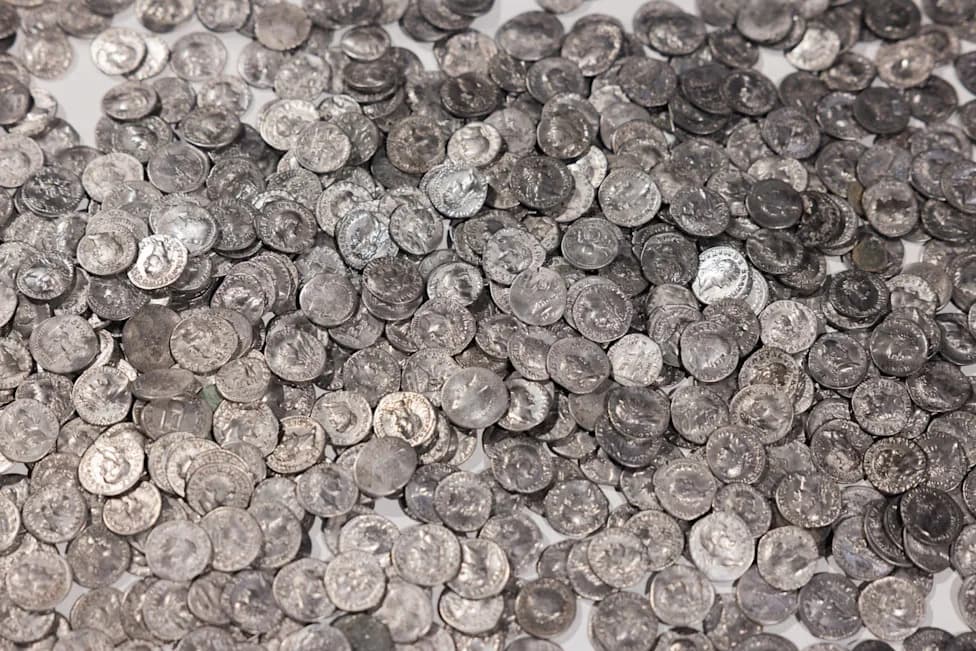
Archaeologists excavating in Kolomna uncovered more than 2,600 silver denga coins hidden in an engobe‑decorated jug, the largest hoard of silver coins from the second and third decades of the 15th century found to date. Many coins date to the reigns of Vasily I and Vasily II, including locally struck Kolomna issues that bear a rare flying‑bird motif. The newest coins date to the late 1420s, leading researchers to suggest the stash may have been buried during epidemics that struck Russia in 1425–1427. The find includes over 350 previously unknown Kolomna varieties and complements an earlier Torzhok discovery of 409 Imperial gold rubles.
Largest 15th‑Century Silver Hoard Found Near Moscow — Owner May Have Fallen Victim To 1420s Epidemic
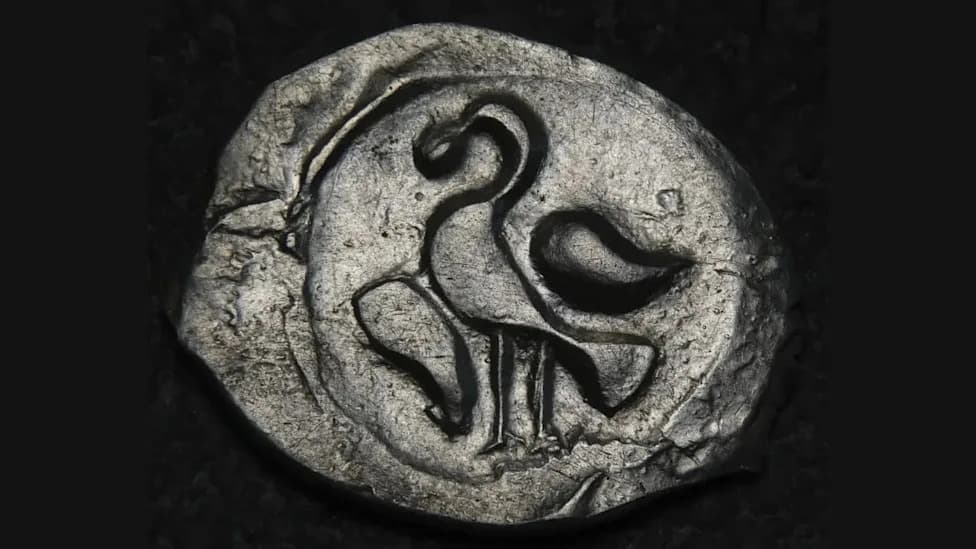
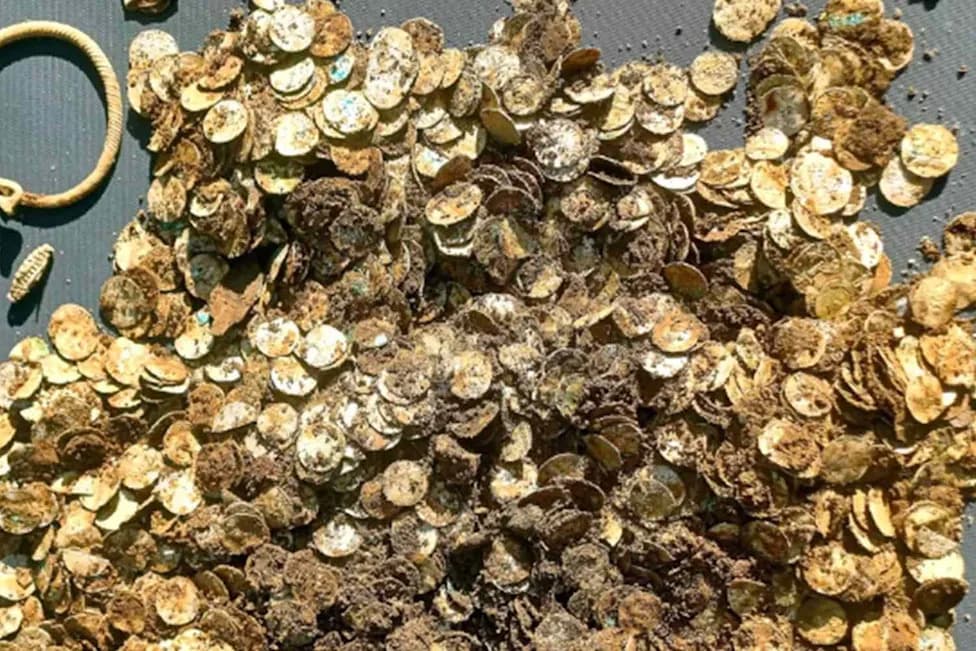
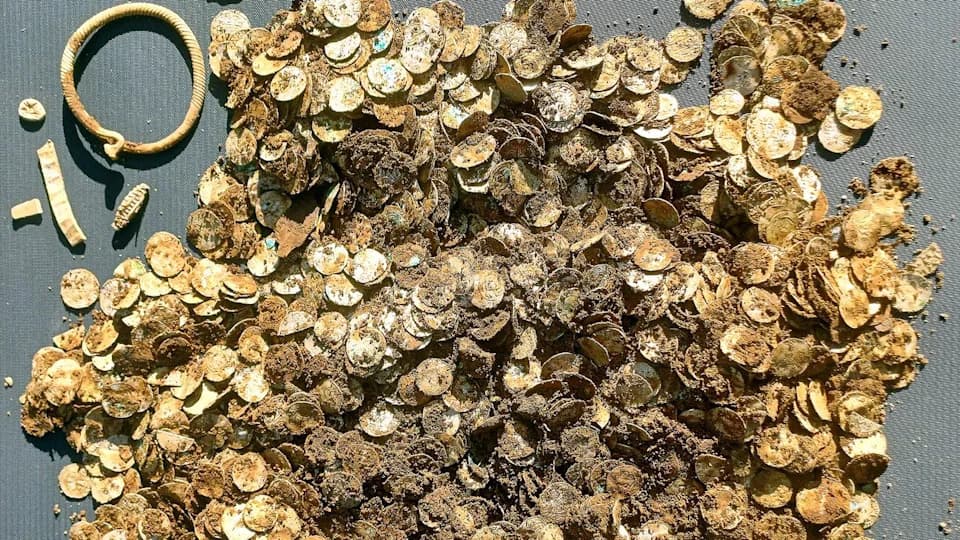
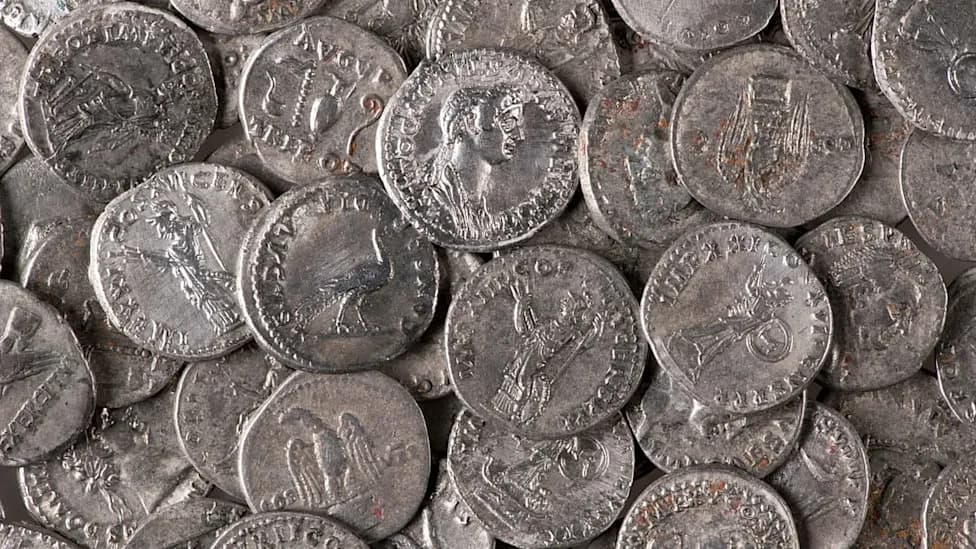
Variants of Kolomna coins from the first quarter of the 15th century found near Moscow, October 2, 2026. (photo credit: The Institute of Archaeology of the Russian Academy of Sciences)
Archaeologists have uncovered a major medieval coin hoard outside Moscow: more than 2,600 silver denga coins were recovered during rescue excavations in Kolomna, the Russian Academy of Sciences' Institute of Archaeology reported. Specialists call it the largest collection of silver coins minted in the second and third decades of the 15th century ever found.
Details of the Discovery
The coins were concealed inside a small ceramic jug decorated with engobe and buried in a shallow pit near what was once Kolomna's trading district. Many of the coins are dengi—small silver coins struck under Grand Princes Vasily I Dmitriyevich (reigned 1389–1425) and his successor Vasily II Vasilyevich, known as “the Blind” (reigned 1425–1462). Coins minted by appanage princes are notably scarce in the assemblage.
Because the most recent coins in the hoard date to the second half of the 1420s, researchers suggest the stash may have been hurriedly buried during one of the epidemics that swept Russia between 1425 and 1427. The size and makeup of the cache indicate its owner was relatively wealthy and likely belonged to the era's upper class.
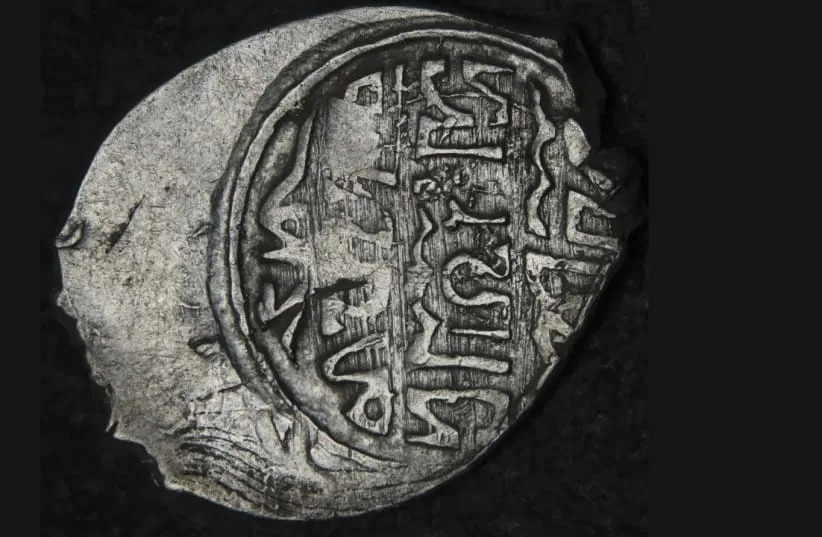
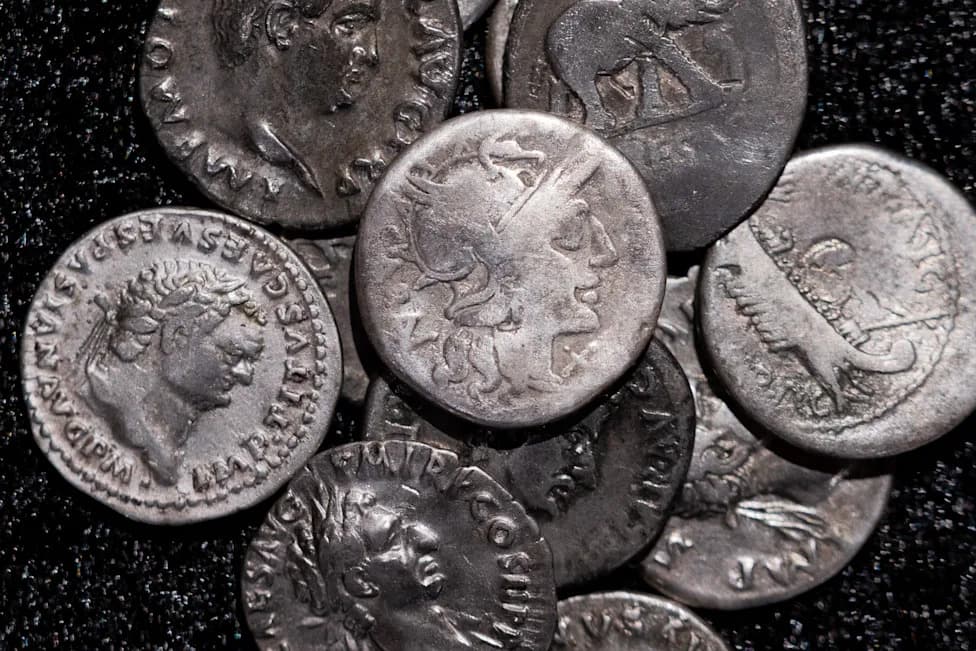
A coin of Grand Duke Vasily Dmitrievich, minted in Moscow, found in Kolomna, October 2, 2026. (credit: The Institute of Archaeology of the Russian Academy of Sciences)
Local Coinage And Rare Motifs
A significant portion of the Dmitriyevich-era issues were struck in Kolomna itself. Many of these local coins bear an unusual depiction of a flying bird—a motif rarely seen on similar coin finds from other regions. Among the coins specialists identified more than 350 previously unknown Kolomna varieties, as well as several types absent from many Russian museum collections. The discovery also helped numismatists identify the final Kolomna issues that carried the bird motif, dating to the end of Dmitriyevich's reign.
(Photograph: a coin of Grand Duke Vasily Dmitrievich, minted in Moscow; recorded at the Kolomna site on October 2, 2026. Credit: The Institute of Archaeology of the Russian Academy of Sciences.)
Related Find In Torzhok
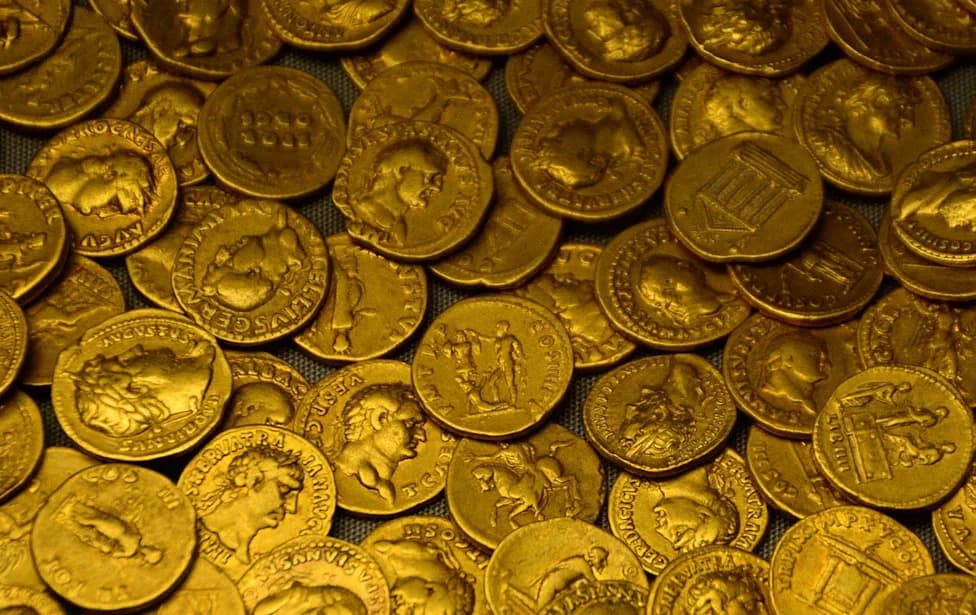
Separately, in March the Russian Academy of Sciences announced the recovery of a hoard of 409 Imperial gold ruble coins beneath a house in Torzhok. Excavators recovered the gold coins—including 387 ten‑ruble pieces and a mix of five-, fifteen- and seven‑and‑a‑half‑ruble coins—hidden inside a broken kandyushka (glazed clay vessel) under the home's stone foundation. The coins total about 4,070 rubles; based on the melt value of pre‑revolutionary gold 10‑ruble pieces (roughly 90% gold), the Institute estimated the material value at about half a million dollars.
Why This Matters
Beyond the immediate monetary and numismatic interest, the Kolomna hoard sheds light on local production, circulation and hoarding behavior in early 15th‑century Russia. The newly identified Kolomna varieties expand the known catalog of medieval Russian coinage and offer fresh evidence for numismatists and historians studying regional economies and responses to crises such as epidemics.
Help us improve.