Roughly 60% of Texas homeowners aged 65 and older—about 2.4 million people—no longer pay school property taxes after the state raised the homestead exemption for school district taxes to $140,000. Combined with the senior exemption, qualifying homeowners can exclude $200,000 of home value from school tax calculations, producing large savings for many retirees. Critics say the age-based relief shifts costs to younger homeowners and renters; experts recommend targeted fixes like an income-based "circuit breaker" and more downsizing housing options.
Nearly 60% Of Texas Homeowners 65+ Now Pay $0 In School Property Taxes — Who Picks Up The Tab?
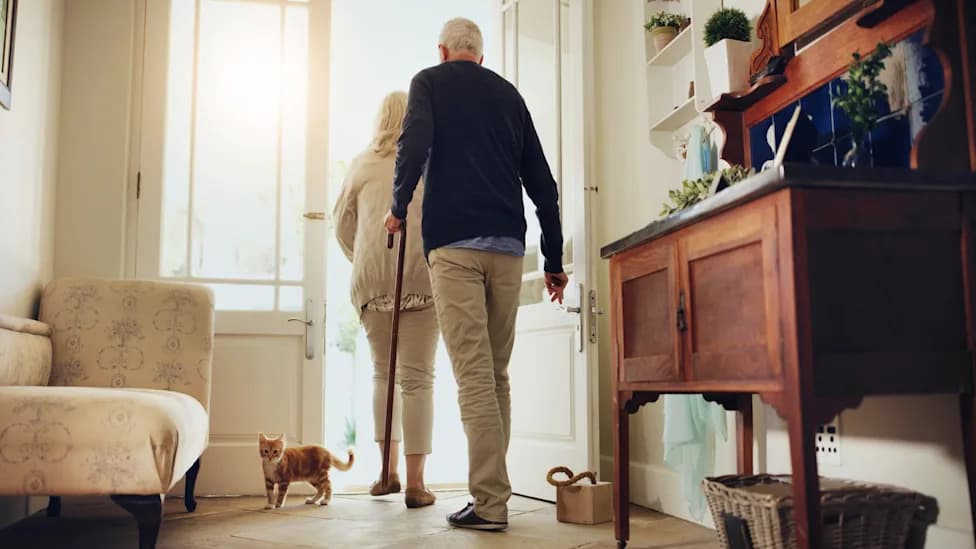
Photo Credit: iStock
As insurance, groceries, gas and health care rise, one major cost for many older Texans has disappeared: school property taxes. New state rules and recent legislation have left roughly 2.4 million Texans exempt from paying school taxes, producing meaningful relief for homeowners on fixed incomes but raising questions about fairness and long-term sustainability.
What changed? Lawmakers raised the homestead exemption for school district taxes to $140,000. When combined with the existing senior exemption, qualifying homeowners aged 65 and older can exclude up to $200,000 of their home's value from school property tax calculations. The Texas Tribune reports about 60% of Texas homeowners 65 and older are now no longer billed for school property taxes.
Real-world impact
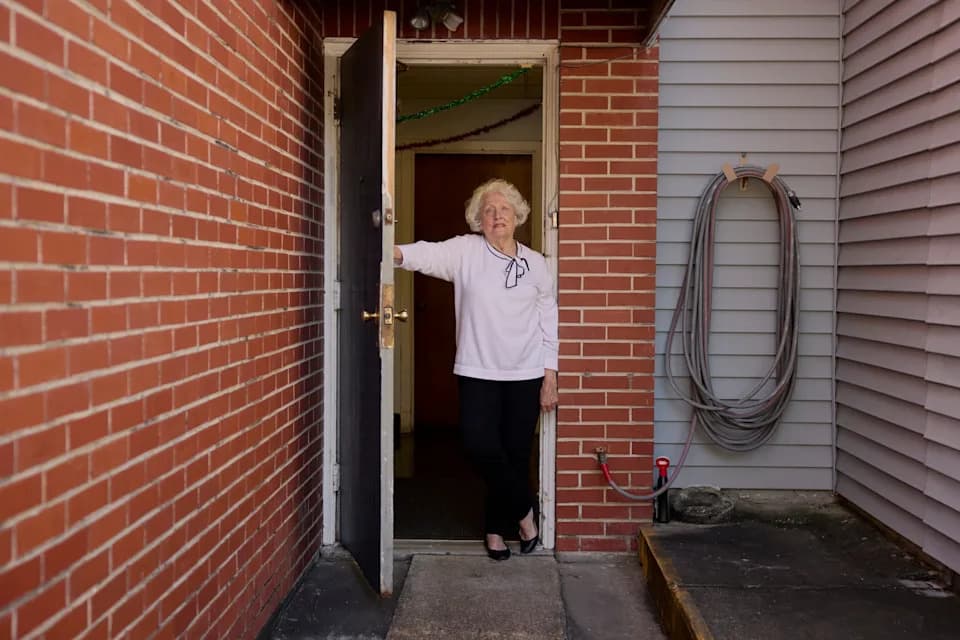
"I was ecstatic. I'm like, 'This is the only thing in my life that's going down.' I can actually afford to pay," said Jane Lindsley, a 72-year-old retired bookkeeper in Hays County whose property tax bill fell by more than 40% after school taxes were removed.
Broader consequences
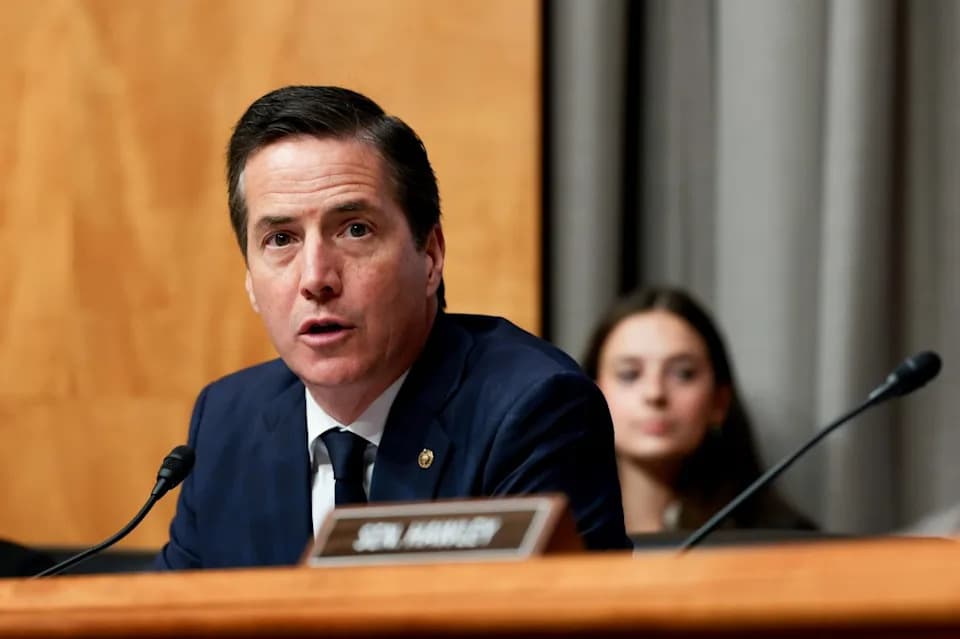
Sen. Paul Bettencourt, a Republican who supported the tax reductions, said seniors reaching a zero bill often celebrate the relief. But experts and critics warn the policy shifts costs to other taxpayers. The Tribune notes lawmakers directed an estimated $51 billion toward school property tax cuts in 2025, a move that may affect how local services and school districts are funded.
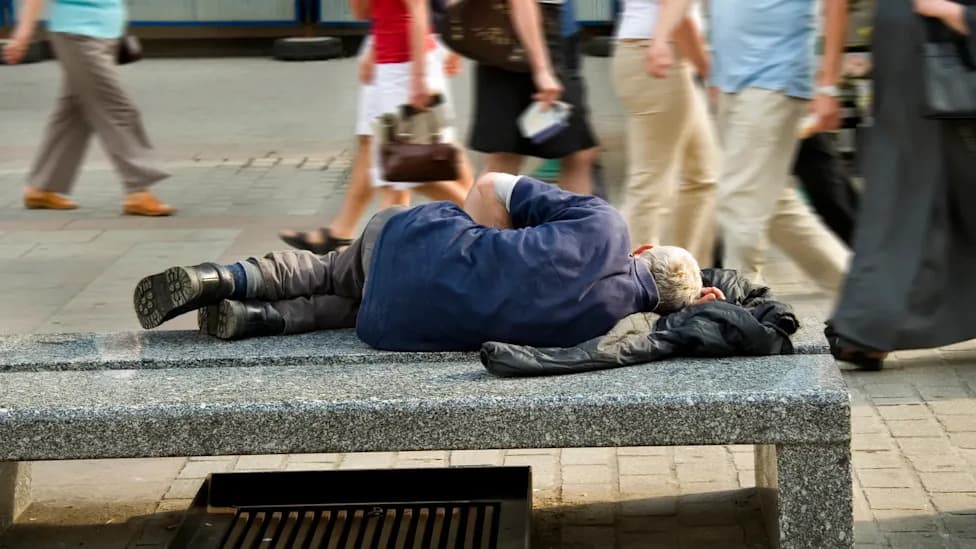
Who still struggles? The Gerontology Institute's Elder Index estimates the income required to cover basic expenses; more than 50% of Texas seniors fall below that threshold, and 28% are below the federal poverty line. "Just because you own your home and it looks like you're wealthy on paper doesn't mean you have the cash flow to absorb increases in other costs," said Caitlin Covey of the Gerontology Institute.
Debate and alternatives
While many interviewees said they supported protecting seniors from being taxed out of their homes, younger homeowners and renters worry about bearing a larger share of the tax burden. "It does seem foundationally unfair to grant tax relief to an older generation that's been voting for bonds and things that we still have to pay for," said Derrick Wilson of the Texas Young Republican Federation.
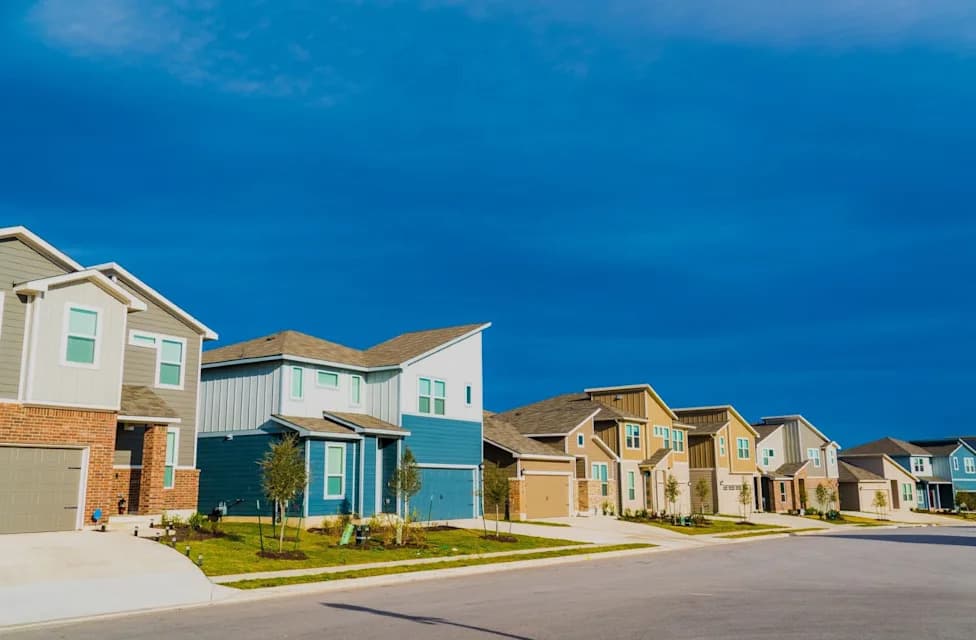
Experts interviewed by the Tribune suggested more targeted approaches. A common alternative is an income-based "circuit breaker" that limits property tax payments once they exceed a set share of household income, directing relief to the households that need it most. Expanding housing options—accessory dwelling units, duplexes, or small multifamily buildings—could help seniors downsize while remaining in their communities, a solution AARP Texas's Jessica Lemann highlighted.
Bottom line
The policy has delivered immediate relief to millions of older homeowners, but it also raises important policy questions: How should the state balance senior protections, school finance, and the distribution of tax burdens across generations? Lawmakers and local officials will face those trade-offs as Texas's population continues to age.
Reporting referenced: The Texas Tribune. Additional context on insurance and housing pressures appears in related coverage.
Help us improve.