Rising living costs and weaknesses in retirement security have driven the poverty rate for Americans 65+ from 9.4% in 2020 to 15.4% in 2025, leaving more than 10 million seniors below the poverty line. Social Security remains the largest anti-poverty program, lifting 28.8 million people out of poverty in 2025, but the CBO warns of automatic cuts of roughly 26% starting in 2032 unless Congress acts. Experts disagree on measurement methods, yet independent indexes estimate tens of millions of older households cannot meet basic needs. Advocates say cuts would worsen hardship and shift costs to families and public programs.
More Than 10 Million U.S. Seniors Now Living in Poverty as Social Security Cuts Loom

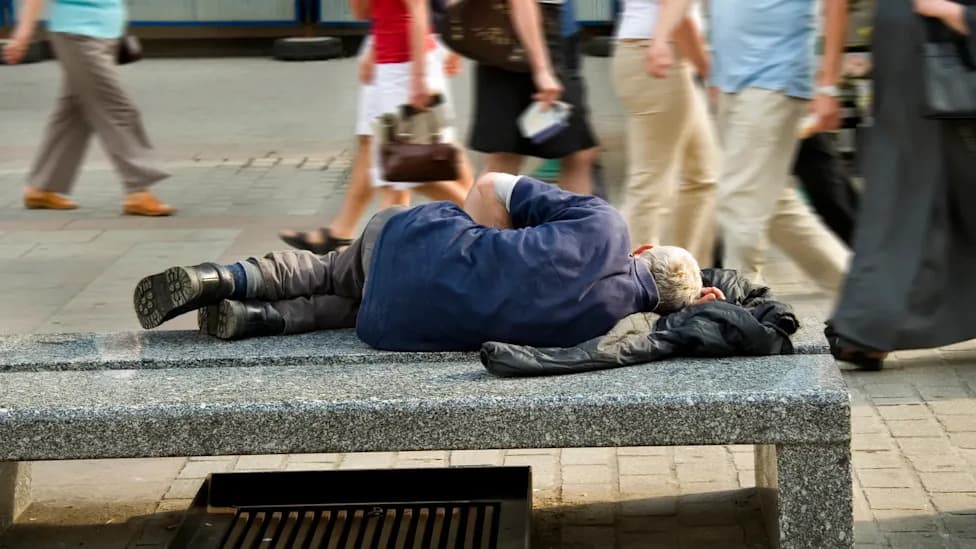
About 19 million older adult households don't have enough money each month to meet their needs, according to the Elder Index. - Getty Images/iStock
Rising prices and weaknesses in the retirement system have pushed a growing number of older Americans into financial distress. New Census Bureau data show the share of people 65 and older living in poverty rose from 9.4% in 2020 to 15.4% in 2025 — the largest increase of any age group and the first time more than 10 million older adults fell below the poverty threshold.
Everyday Costs Are Squeezing Seniors
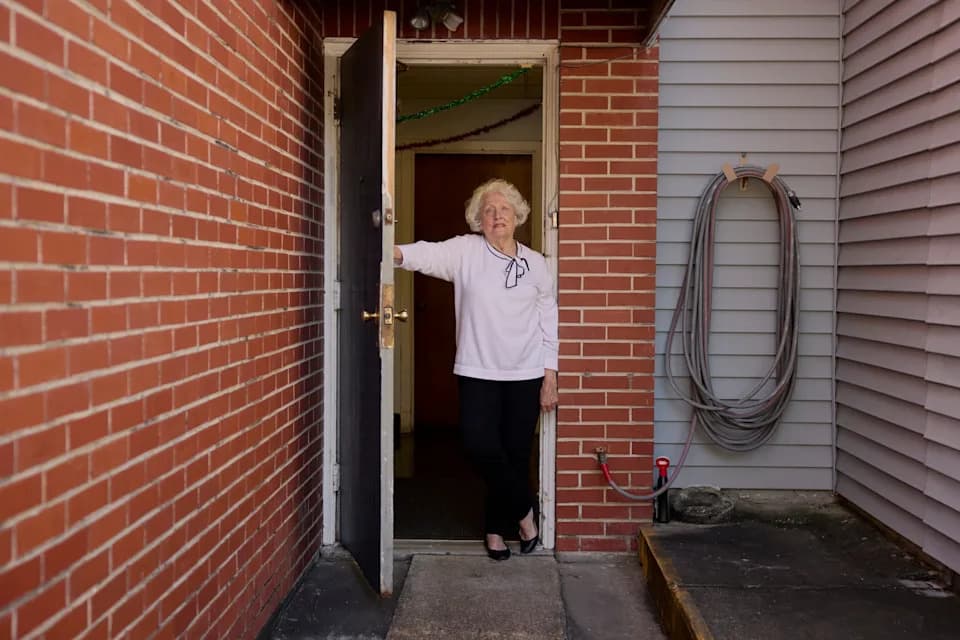
Kenneth Heideman, 67, of Vermont, says his monthly expenses for gas and groceries have climbed by roughly $120 compared with a year ago, and other costs have risen quietly: higher auto repair bills tied to tariffs, pricier clothing and more expensive routine items. "I'm kind of on the edge," he said. "I've had to draw down my savings already, which is not what I wanted to be doing."
"It's easy not to be aware of all the other things you buy getting more costly because you don't buy them as often — but the increases are there."
— Kenneth Heideman, 67
Across the country, seniors report similar pressures: higher grocery bills, rising housing costs and growing medical expenses, especially for those living in rural areas who must travel long distances for care.
How Poverty Is Measured — And Why It Matters
The Census Bureau's supplemental poverty measure (SPM) accounts for resources such as SNAP, housing and energy assistance, and subtracts necessary costs like taxes and medical spending. In 2026, the federal poverty threshold is about $15,960 for a single person and $21,640 for a two-person household.
Experts debate how well official measures capture retirees' true financial picture. Andrew Biggs of the American Enterprise Institute argues that Census surveys can undercount withdrawals from IRAs and 401(k)s because those withdrawals are often irregular and not reported as "income." By contrast, the Elder Index from the Gerontology Institute at UMass Boston estimates roughly 19 million older-adult households still do not have enough monthly income to meet basic needs.
Why Social Security Matters — And What’s at Risk
Social Security remains the largest anti-poverty program for older Americans: the Census Bureau reported it lifted 28.8 million people out of poverty in 2025. Yet the program faces a funding shortfall. The Congressional Budget Office (CBO) has warned that, unless Congress acts, automatic benefit reductions on the order of about 26% could begin in 2032. As of August, the average Social Security retirement benefit was roughly $2,087 per month — a 26% cut would equal about $542 per month in today's dollars (the nominal reduction would likely be larger by 2032 due to inflation).
"Any cuts to Social Security benefits would be devastating."
— Paul Rosenthal, 74, retired physical therapist
For many seniors, Social Security is their only source of income: Pew Research Center data show 27% of beneficiaries rely on it exclusively. That leaves them especially vulnerable to emergencies and unexpected costs. AARP Foundation survey data indicate one-third of lower-income older adults could not cover a $100 emergency from savings, and 52% could not cover $500.
Health, Longevity and the Broader Cost
Research from the National Council on Aging and UMass Boston finds people aged 60 and older who earn $20,000 or less annually die about nine years earlier than those earning $120,000 a year, underlining the life-and-death implications of economic insecurity. Economists and advocates say elder poverty is both a personal tragedy and a broader social problem: unpaid costs eventually shift to families, communities and public assistance programs.
What Experts Recommend
Policy experts call for a range of responses: strengthening Social Security solvency, expanding access to reliable retirement savings, improving targeted supports for low-income seniors, and addressing rising costs in housing, healthcare and food. Without action, advocates warn, planned or automatic cuts to benefits would deepen hardship for millions of older Americans.
Sources: U.S. Census Bureau (SPM), Congressional Budget Office, Social Security Administration, Pew Research Center, AARP Foundation, National Council on Aging, Gerontology Institute at UMass Boston, American Enterprise Institute.
Help us improve.