Many elderly residents in Texas' Rio Grande Valley are turning off air conditioning overnight to reduce soaring utility bills, a choice public health experts say endangers lives as summer temperatures increase. Summer at-home deaths among people 75+ in four Valley counties have tripled over 20 years, outpacing a 68% rise in the older population. Limited funding for energy assistance means thousands of qualifying households receive no help, while local programs and a new Community Health Paramedicine initiative try to identify and aid at-risk residents.
Rio Grande Valley Seniors Shutting Off AC Overnight as Heat and Bills Threaten Lives

Photo Credit: iStock
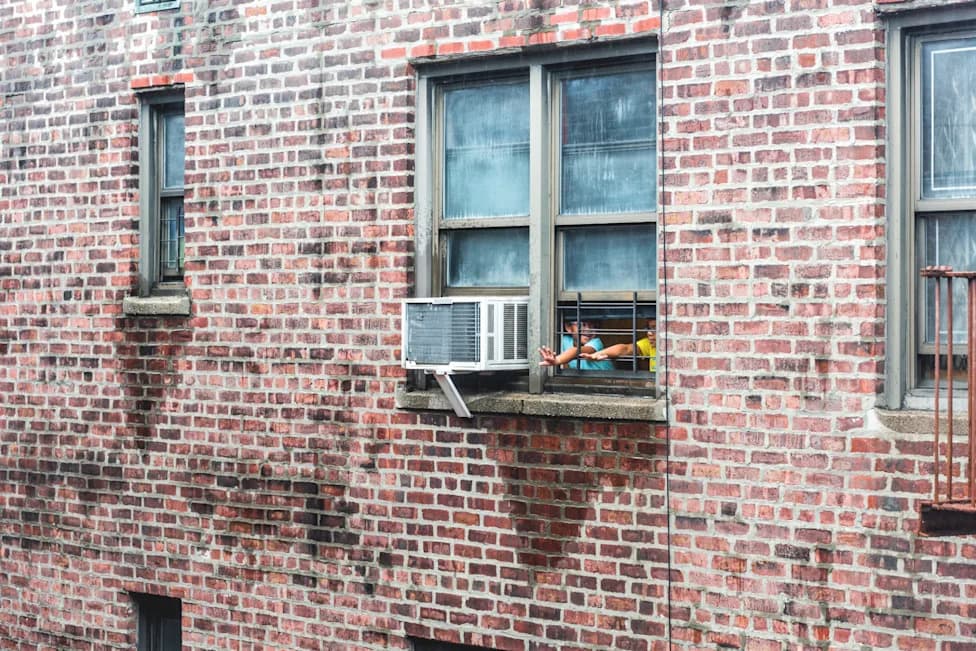
Across the Rio Grande Valley, many older residents are rationing air conditioning to cut costs — a dangerous choice as summer temperatures climb into the mid-90s and above. Public Health Watch reports that the practice of turning off AC at night is putting elderly households at increased risk of heat-related illness and death.
Rationing Cooling to Afford Basics
For 80-year-old retired mechanic Arturo Gómez of Rio Grande City and his wife, a $600 power bill meant choosing between running the air conditioning and paying for food. Even in August, the couple said they turn off their AC from 9 p.m. to 9 a.m., relying on a fan overnight to save money. “We either pay the electric bill or we eat,” Gómez said.
Heat, Health and Rising Deaths
Data cited by Public Health Watch show that summer at-home deaths among people 75 and older in Cameron, Hidalgo, Starr and Willacy counties have tripled over the past 20 years — a rise that outpaces the region’s 68% increase in its older population during the same period. Average summer highs in the Valley typically range from the mid-90s to more than 100°F, and McAllen’s average temperature has increased by about 4.4°F since the 1970s.
Why Older Adults Are Especially Vulnerable
Medical experts say aging bodies and common chronic conditions increase heat risk. Eric Panzer, medical director of the emergency department at Valley Regional Medical Center, told Public Health Watch,
“They are much more fragile, and they are not able to tolerate it. Their bodies don't have the same ability to compensate as young patients.”
A 2020 Houston study referenced in the report found that older adults were 11% more likely to die of heat-related illness when indoor temperatures rose by 9°F. Lead author Cassie O'Lenick, an environmental epidemiologist, noted that chronic diseases such as diabetes and hypertension make high core body temperatures far more dangerous.
Local Tragedies and Limited Safety Nets
In one July 2024 incident in Harlingen, Rene Perez, director of patient transport services at the South Texas Emergency Care Foundation, found an elderly couple deceased in a dangerously hot home after a 911 call. A family member told Perez the couple had stopped using air conditioning because they could not afford it. “To me that is the sad part, because that probably shouldn't have happened,” Perez said.
The primary federal safety net is the Low-Income Home Energy Assistance Program (LIHEAP), but local program managers say demand far exceeds available funds. Victoria Arredondo, program manager at the Community Action Corp. of South Texas (CACOST), said roughly 42,000 households in Cameron and Willacy counties qualify for assistance, but CACOST reached fewer than 8% of them in 2025. Jaime Longoria, executive director of the Hidalgo County Community Service Agency, said more than 100,000 families in Hidalgo County qualify for utility help, yet his agency receives funding to assist only about 8,000 families.
Efforts To Fill The Gap
Community groups are trying to respond. The South Texas Emergency Care Foundation launched a Community Health Paramedicine program to identify residents without air conditioning or those struggling with utility bills. Doug Hairgrove, who directs CACOST's weatherization and energy assistance programs, said weatherizing a home can save a family about $300 a year, though the upfront cost can be a barrier for low-income households.
Public Health Watch noted that assistance may be available through CACOST, the Hidalgo County Community Service Agency, utilities’ Customer Assistance and Relief for Energy programs, or by calling 211 for information. At the same time, Texas’ average electricity price has increased by roughly 30% since 2021, adding pressure to household budgets.
What This Means
The Valley’s crisis sits at the intersection of intensifying heat, rising utility costs, and inadequate safety-net funding. Without expanded assistance and targeted outreach to vulnerable households, more seniors may face life-threatening conditions during future heat waves.
Practical Resources: Residents seeking help can contact local community action agencies, call 211, or reach out to utility Customer Assistance and Relief programs for eligibility information.
Help us improve.