The article examines how nursing homes have become a last-resort housing option for some older adults who lose housing after serious medical events. Many nursing home residents have "low-care needs," yet institutional care is far more expensive than subsidized supportive housing. Experts call for age-friendly, low-income housing that preserves independence, a redesign of discharge and rehab pathways, and strengthened funding and workforce development for long-term care.
When Nursing Homes Become Last-Resort Housing: The Hidden Cost of Institutionalizing Older Adults
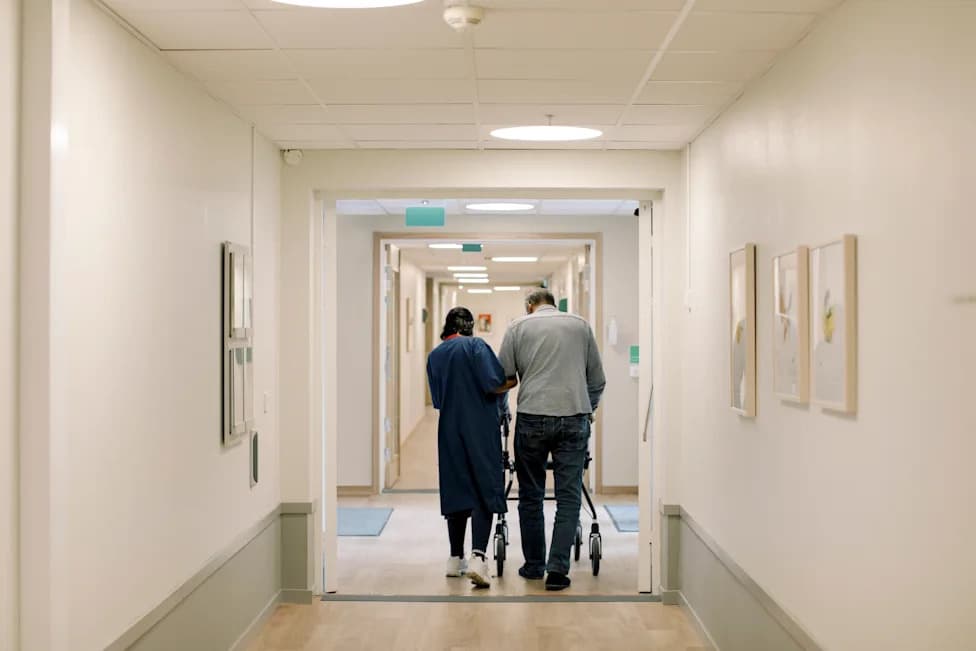
—Maskot—Getty Images
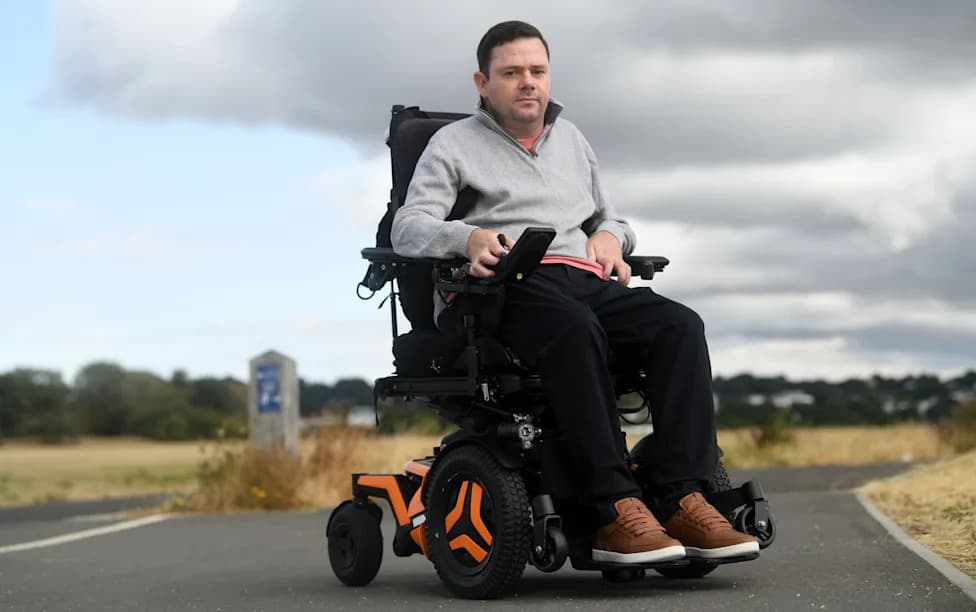
As an occupational therapist working in medical respite care, Caitlin Synovec watched people in their 50s and 60s reach life-altering moments: a stroke or other serious medical event that lands them in the hospital—and, during prolonged treatment, can cost them their job and their home. Some newly unhoused patients find temporary shelter in medical respite programs designed to help people without stable housing continue their recovery. But the looming question is the same: where will they go next?
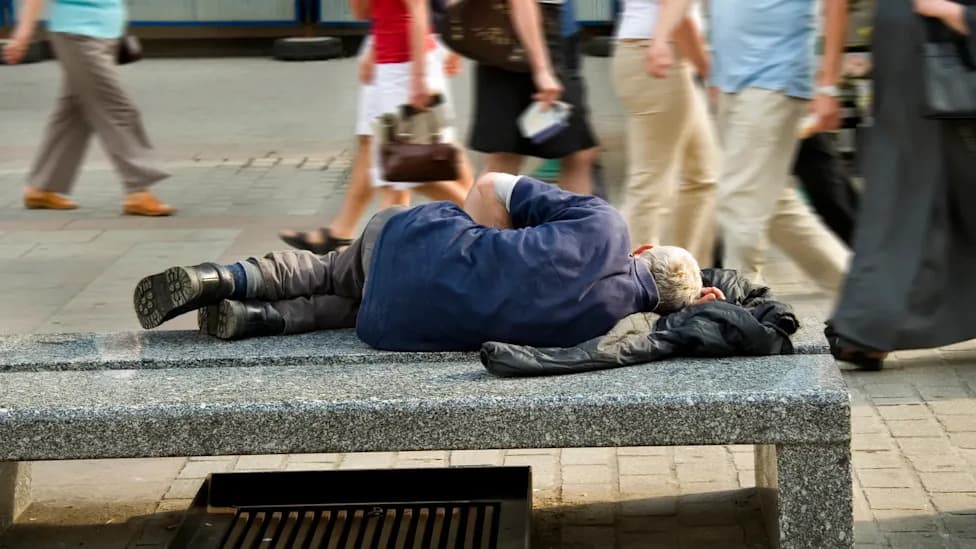
Many of these patients end up back on the streets or in shelters despite efforts to find permanent housing. A surprising number are placed in nursing homes—even when they neither need nor want that high level of care.
Costly, Inappropriate Care
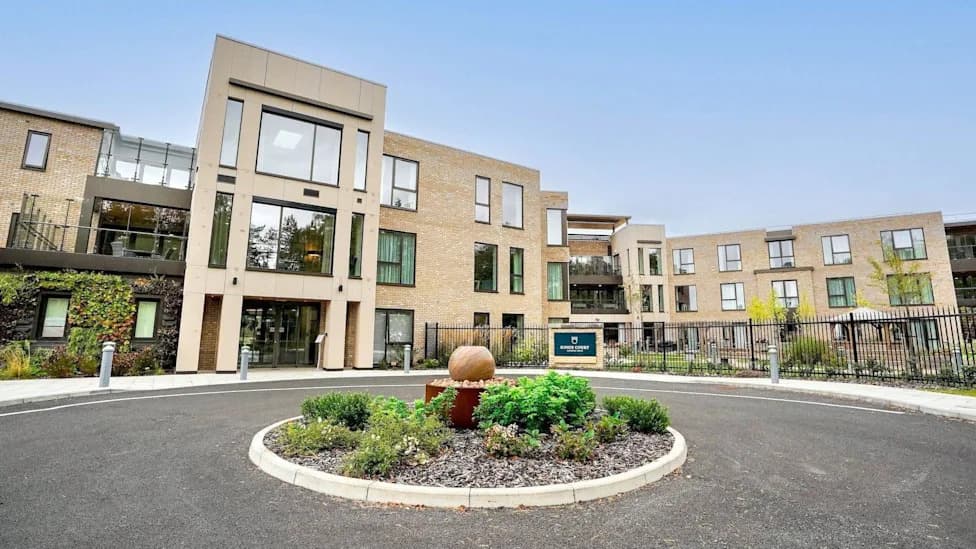
Research from the United Health Foundation finds that one in 11 nursing home residents have "low-care needs," meaning they do not require assistance with bed mobility, transfers, toileting, or eating. State rates vary widely: about 2.5% in Hawaii versus nearly 23% in Oklahoma. Housing such residents in nursing homes is expensive: the average cost of a year in a nursing home is $119,340, compared with roughly $16,000 per person per year for subsidized permanent supportive housing that includes some services.
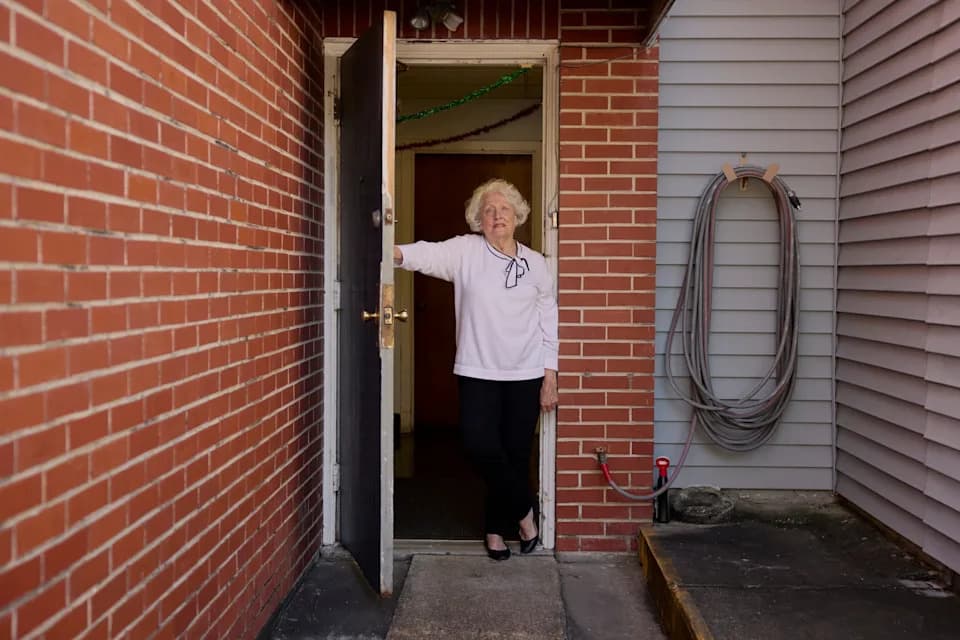
"She didn't want to be institutionalized. She wanted to be in the community," Synovec recalls of a client who could manage most daily tasks but lost housing after a stroke.
Why Nursing Homes Become Default
Emergency shelters often are not equipped for older adults: bunk beds, bathrooms that lack disability access, and requirements to leave during daytime hours make shelters unsafe for people with mobility or cognitive issues. Permanent supportive housing is a better option but typically carries long wait lists—averaging more than two years—and many units still lack accessibility features. Policy shifts away from permanent supportive housing toward time-limited transitional programs have further increased pressure on the system.
As Dennis P. Culhane and other researchers warn, gaps in the social safety net grow as Baby Boomers age. By 2025, about one in five people living in emergency shelters or on the streets was 55 or older. Many older adults fear institutional living: surveys from AARP show that three out of four older adults want to age in their current home and community rather than be moved into long-term care.
Systemic Failures and Unsafe Discharges
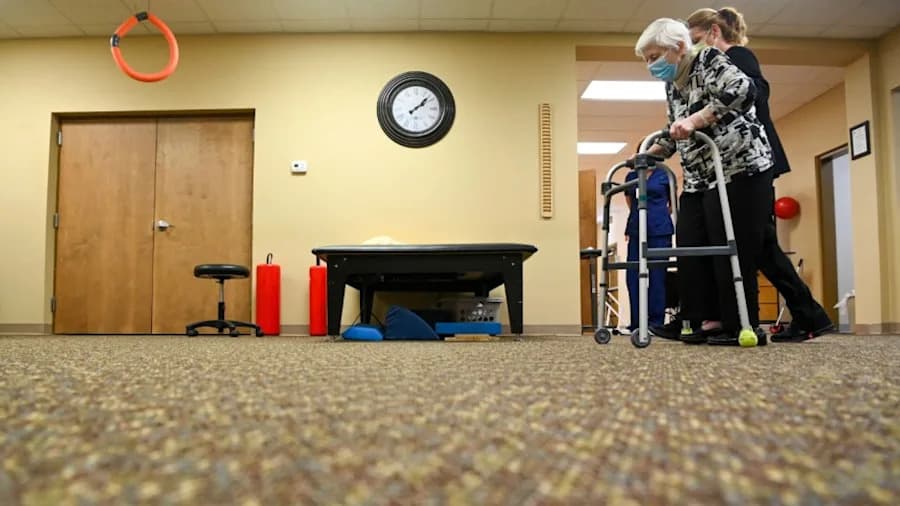
Hospitals discharge patients as soon as they are medically stable, and skilled nursing facilities often fill the role of short-term rehabilitation. When rehab ends, patients who lack safe, affordable community options may linger in nursing homes, frequently at public expense through Medicaid. Conversely, some nursing homes have discharged vulnerable residents to shelters or left them with no destination at all—sometimes because of rule violations or exhaustion of insurance—despite federal requirements intended to ensure safe discharges.
Possible Solutions
Experts recommend building subsidized, age-friendly housing that meets mobility and care needs while preserving independence. Such housing would incorporate the geriatric "4 Ms": Mobility, Medication, Mentation, and What Matters Most to the person. Dr. Jeffrey Farber, a geriatrician and CEO of The New Jewish Home, argues that nursing homes currently serve three distinct populations—and only one truly belongs in high-acuity institutional care. His vision includes better sub-acute care in hospitals, more subsidized supportive housing tailored to aging unhoused adults, and transformed nonprofit long-term care facilities—"Compassionate Care Homes"—with adequate funding and workforce training.
With the oldest Baby Boomers already turning 80 and the full cohort reaching 65 by 2030, demand for senior housing, long-term care, and emergency shelter will intensify. Housing older adults with low-care needs in nursing homes is increasingly unsustainable; policymakers and providers must redesign options to protect independence, improve outcomes, and reduce costs.
"The system is fundamentally broken," Farber says. "And we're not going to fix it with band-aids."
Help us improve.