The U.S. homeless population is aging: by the mid-2030s older adults are projected to outnumber children, and people 65+ are the fastest-growing group among those without stable housing. Experts warn that cuts to the social safety net and Medicaid, combined with housing markets that lack downsizing options, could increase senior homelessness. Short-term subsidies for people "doubling up," targeted outreach, and expanded senior-friendly housing — plus long-term planning for funding and caregiving capacity — are urgent priorities.
U.S. Homeless Population Is Aging — Cities Must Prepare Now
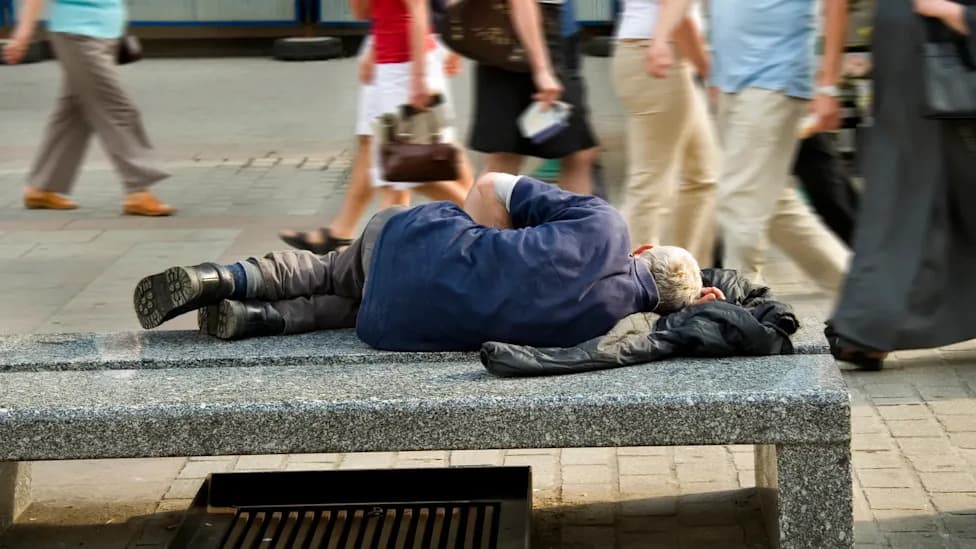
A person in a blue shirt, gray pants and boots sleeps on a bench with their back to the camera using a coat for a pillow.
The U.S. is facing a growing and often-overlooked challenge: its homeless population is aging. Demographic shifts, policy changes and gaps in housing design are combining to increase housing instability among older adults.
Why This Matters
The U.S. Census Bureau projects that by the mid-2030s there will be more older adults than children for the first time in history. At the same time, research from the Harvard Joint Center for Housing Studies shows that people aged 65 and older are the fastest-growing segment of those experiencing homelessness.
Experts Warn Of A “Perfect Storm”
“We're talking about it at a time when the older population is growing so much, and we have had a lot of cuts to the social safety net, and we are about to see more cuts to Medicaid,” said Jennifer Molinsky, director of the Housing an Aging Society Program at JCHS. “The consequences I worry about are that there'll be more housing instability and homelessness.”
Panelists at a recent webinar highlighted how these pressures will play out in cities and counties already strained by rising homelessness.
Local Housing Markets Aren’t Built For Downsizing
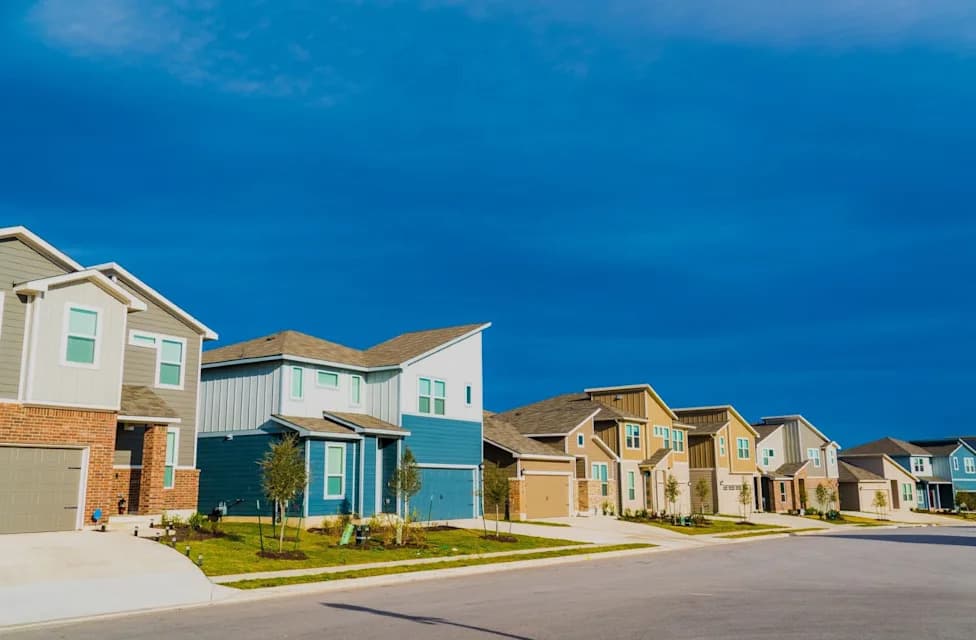
Many communities lack housing that enables older adults to downsize gracefully. Beaverton, Oregon, Mayor Lacey Beaty said prior planning left few smaller, accessible options for residents leaving large, multi-bedroom homes.
“We had not designed any housing for people to downsize from their four-bedroom home where they'd raised their kids,” Beaty said.
Policy choices can help: developing cottage clusters, co-ops and single-story units can both create supportive communities for seniors and free up larger homes for younger families.
Short-Term Interventions And Outreach
Panelists recommended practical, short-term steps: identify people who are "doubling up"—staying with friends or family due to financial hardship—and target small, immediate subsidies to prevent eviction and loss of informal housing arrangements. These situations are often invisible and are not captured in HUD's point-in-time counts.
“Those folks are kind of invisible, but oftentimes it is not a huge amount of money that will help them weather [until] the next thing,” Molinsky said. “There's a lot of people who are unstably housed who are on years-long waiting lists for public housing or vouchers.”
Speakers also stressed the need for better outreach: older adults may be less likely to seek assistance because of generational attitudes about self-reliance or stigma. Programs should preserve dignity and proactively connect people to help.
“If you don't ask the question, you won't know,” said social justice advocate Niki Wilkerson. “People may feel they're taking advantage when the situation is overwhelming.”
Longer-Term Challenges
Federal funding changes and uncertainty — noted by panelists as the Trump administration reworked homelessness programs — make long-term planning difficult. Policymakers and local leaders should prepare for sustained demand for affordable, accessible housing and supportive services for seniors.
Speakers also raised concerns about future caregiving capacity as birth rates decline: fewer family members may be available to provide informal care for aging relatives, increasing pressure on public supports and community services.
Recommendations
- Expand smaller, accessible housing options (cottage clusters, co-ops, single-story units).
- Provide targeted short-term subsidies to prevent people who are doubling up from losing housing.
- Increase outreach and education about local, state and federal assistance—designed to preserve dignity and reduce stigma.
- Plan for long-term funding and caregiving needs as the population ages.
Recent HUD data shows a modest 3% drop in homelessness after record highs, but experts caution that the growing needs of older adults require focused, sustained policy responses.
Help us improve.