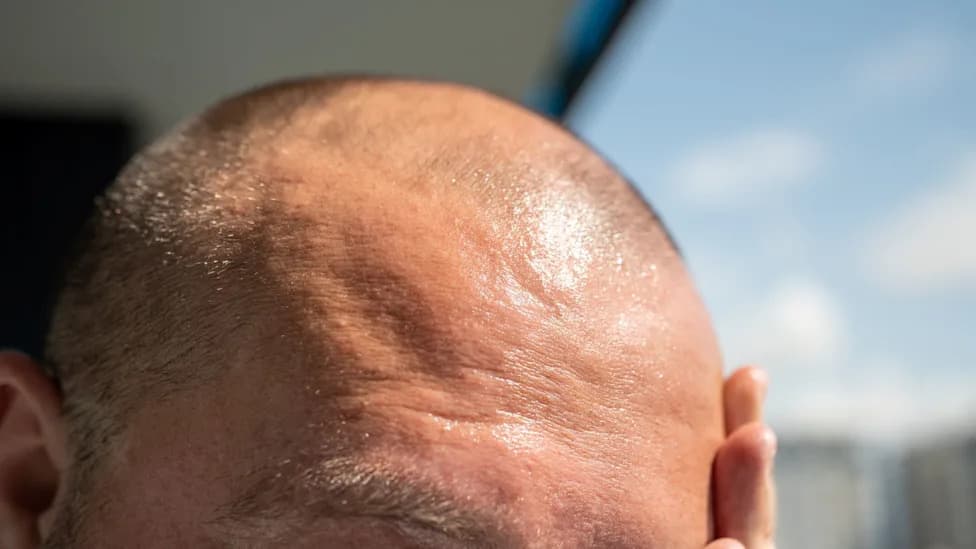
Houston homeowner Felicia Thibodeaux had new windows and insulation installed but still faces a persistently hot south‑facing living room and steep electric bills—$488 in August and $280 in September. Older, leakier homes and the urban heat island effect are driving higher cooling costs in neighborhoods like Pleasantville, while state and utility assistance reaches only a fraction of those in need. Experts and local nonprofits say targeted weatherization helps some residents but broader funding and outreach are needed to protect health and lower bills.
Houston Upgrades Didn’t Stop Soaring Bills: Why New Windows and Insulation Weren’t Enough
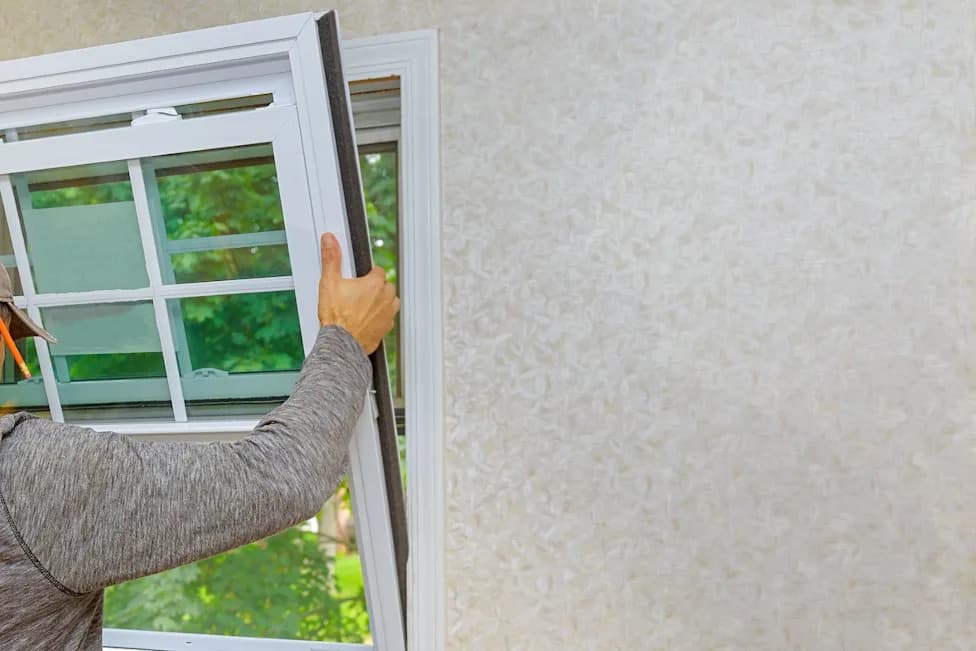
Photo Credit: iStock
New windows and added insulation were meant to ease the burden of Houston’s intense heat, but for one Pleasantville homeowner the upgrades brought little relief: hot air still streams into her south‑facing living room and monthly electric bills remain punishing.
Upgrades vs. Bigger Problems
Felicia Thibodeaux, 65, invested in efficiency improvements yet still received a $488 electric bill for August and another $280 charge in September, according to Public Health Watch’s fourth installment of its “Powerless” series. Her experience shows how extreme heat, aging housing and neighborhood conditions can overwhelm otherwise sensible home repairs.
How Older Homes and Urban Heat Compound Costs
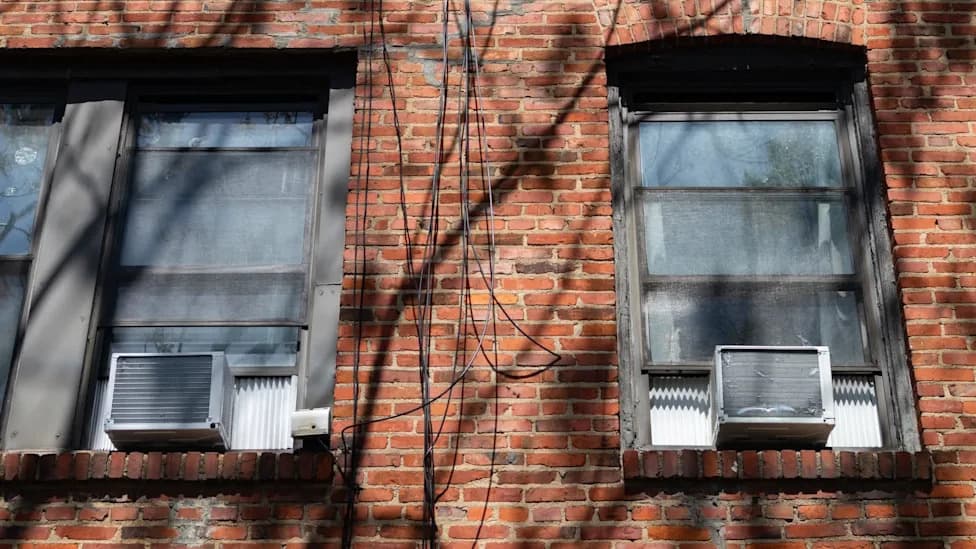
Many older neighborhoods like Pleasantville face multiple disadvantages: houses built decades ago often lack adequate insulation and have leakier windows and doors; nearby industrial development can add heat and pollution; and the urban heat island effect raises local temperatures. The Houston Advanced Research Center found temperature differences across the city of up to 14 degrees and reported that about 85% of Pleasantville homes predate 1979.
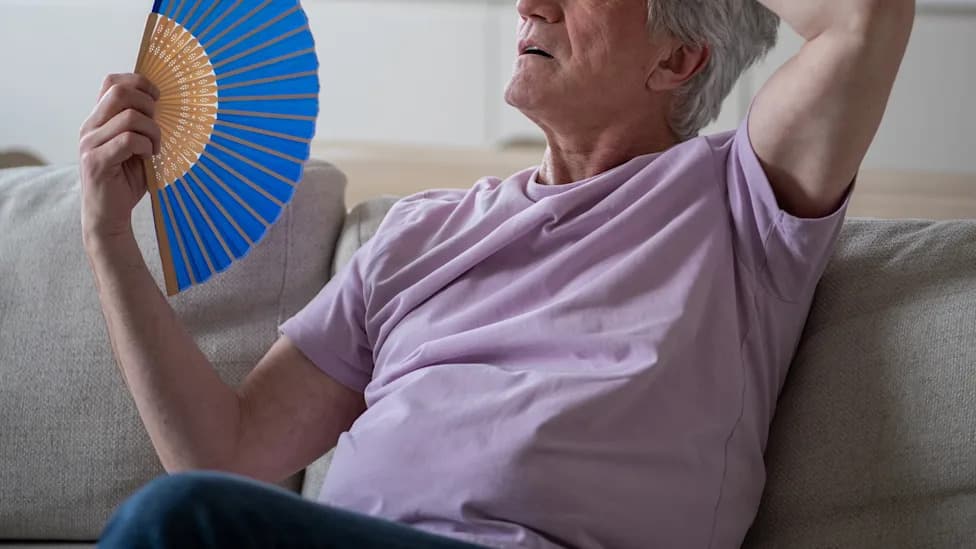
“When you're on a strict budget and you're paying $200 light bills, it's hard,” Thibodeaux said. “You can't survive under a fan when the heat index is 102 degrees.”
The Numbers
State reports show limited reach of assistance programs: from 2021–2023 the Low Income Home Energy Assistance Program (LIHEAP) helped 5,532 households with electric bills, while the state weatherization program served 2,187 low‑income households. Harris County Public Health reported a 329% increase in heat‑related illnesses between 2019 and 2023—an indicator of rising health risks tied to hotter summers and vulnerable housing.
What Works — And Where Gaps Remain
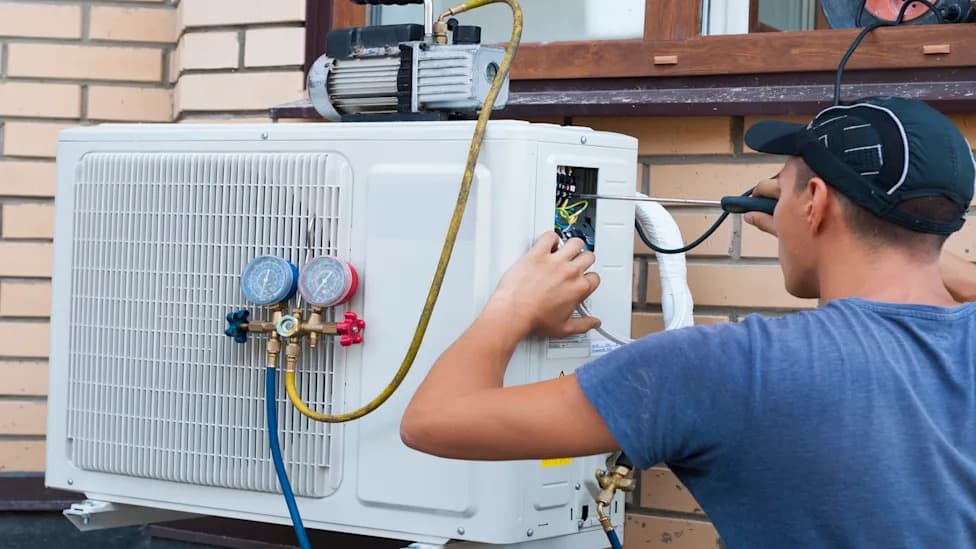
Utilities and state programs (for example, CenterPoint Energy and the federal/state Weatherization Assistance Program) can provide targeted improvements such as added insulation, new doors and windows, ductwork repairs, and heating or cooling system upgrades. For some residents these interventions made a measurable difference: Aljeretti Whitehead, 72, received insulation, a more efficient stove and a water‑heater wrap and saw monthly electric bills drop to about $300 from a prior $500–$600 range.
But many eligible households never get help. Local nonprofits—including Achieving Community Tasks Successfully and the Coalition for Environment, Equity and Resilience—help neighbors apply for utility aid and weatherization, while trained climate ambassadors and navigators guide residents through complex programs.
Takeaway
Individual home upgrades can reduce energy use, but in places with older housing, higher neighborhood temperatures and limited program outreach, upgrades alone may not solve the problem. Experts say a mix of better funding for weatherization, broader outreach, and community‑level heat mitigation is needed to protect residents and lower costs.
Further Reading
- A Missouri homeowner found attic insulation gaps that drove up cooling costs after moving in.
- How clean energy helped limit Texas electric bills during extreme heat.
- Why weeks of record Texas heat are raising alarms about future summers.
- How solar subscription programs can lower household energy costs without rooftop panels.
Reporting and analysis referenced: Public Health Watch’s "Powerless" series and the Houston Advanced Research Center. For assistance, contact your utility’s customer assistance programs or the state weatherization office.
Help us improve.