Rising summer heat and higher electricity prices are forcing Galveston residents to limit their activities to the coolest parts of their homes or go without air conditioning. Nearly 600 homes in Galveston lack AC (about 2.6% of housing), while Texas electricity costs have risen around 30% since 2020. Heat-related ER visits and days above 100°F have surged, even as LIHEAP funding and other assistance lag far behind demand. Local programs like BakerRipley and Project Fat Cat provide relief but struggle with limited resources.
100° Heat Forces Galveston Residents Indoors — Many Can’t Afford To Keep Homes Cool As Power Bills Soar
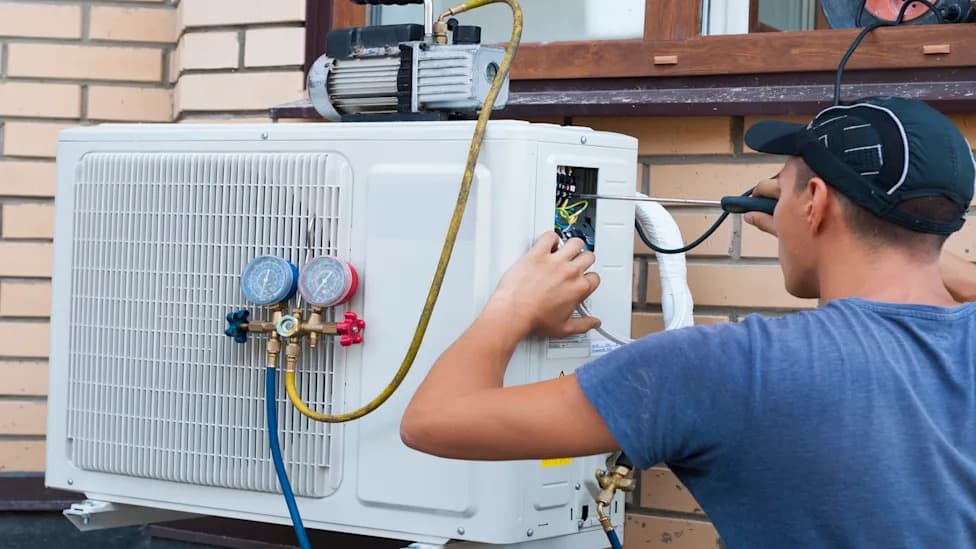
Photo Credit: iStock
Along Galveston’s coast, soaring summer temperatures are colliding with rising electricity costs, forcing some residents to limit themselves to the coolest rooms, block sunlight, or go without air conditioning altogether.
Heat, Housing and Rising Bills
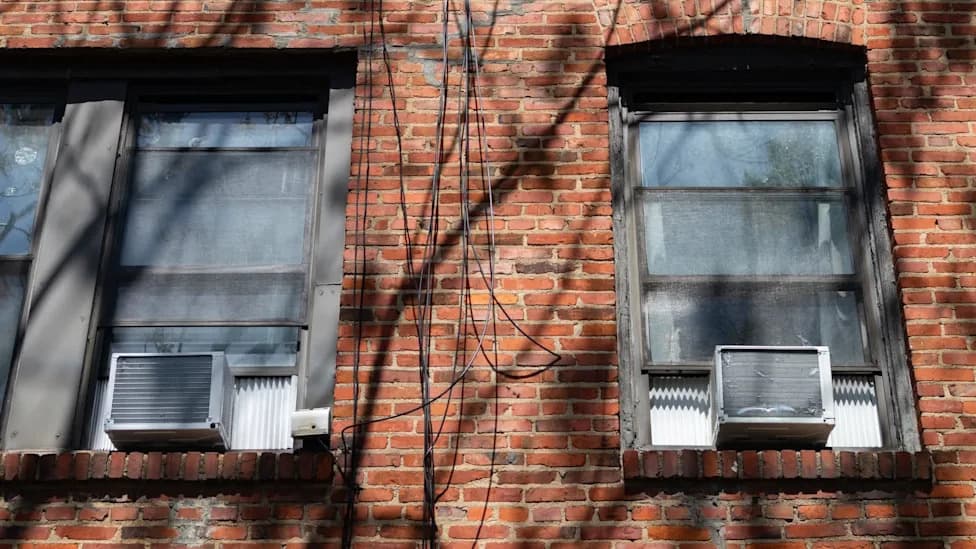
Public Health Watch, citing a 2023 Census Bureau report, found that nearly 600 Galveston homes—about 2.6% of local housing—lack air conditioning, and most of those homes are concentrated in historically Black neighborhoods. Many local houses are also older and inefficient: roughly one in five Galveston homes was built before 1939 and was not designed to retain cooled air.
At the same time, Texas electricity prices have climbed by roughly 30% on average since 2020, the largest increase in the nation, increasing the cost of staying cool. That squeeze is particularly dangerous for people most vulnerable to heat: older adults, infants and people with chronic health conditions.
Health Impacts and Rising Temperatures
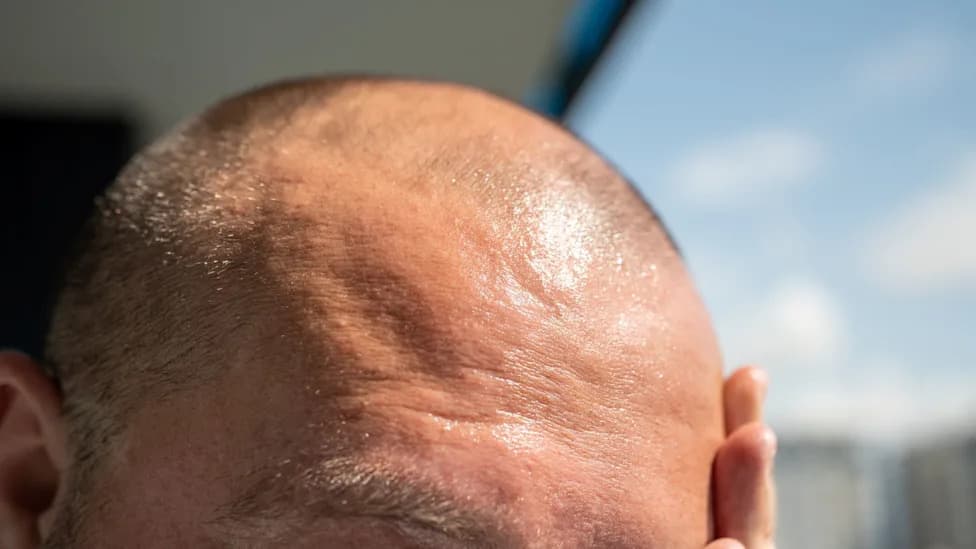
Galveston County recorded 238 heat-related emergency department visits from April through September. Data from FirstStreet show that days above 100°F in the county more than doubled between 1993 and 2023 and are projected to nearly double again, intensifying the public-health threat.
“This heat now is a different heat. It's hard to keep up with it,” said Sherman Boyer, 87, who for years relied on two window units while living in a house that still became dangerously hot.
Limited Help For Renters And Families
Renters face additional risks: Galveston has no ordinance requiring landlords to provide cooling systems in rental homes, leaving many households without a guaranteed option for safe cooling during extreme heat.
Federal aid through the Low Income Home Energy Assistance Program (LIHEAP) has decreased even as need rises—funding fell from $8.2 billion in 2021 to $4 billion. In 2024 LIHEAP reached under 3% of eligible Texas households, leaving many low-income families with few options.
“Households are making real trade-offs to be able to afford the electricity they consume,” said Aparajita Datta, an energy policy associate at the University of Houston Energy Division.
BakerRipley, which distributes LIHEAP funds in Galveston, Harris and Brazoria counties, expects to help roughly 1,250 Galveston County residents this year—but the organization receives between 22,000 and 25,000 applications annually. Glynniece Herron, BakerRipley’s Utility Assistance program director, said that the same benefit covers far less than it used to: a $1,200 benefit that could cover seven to eight months of bills in 2020 may only cover four to five months by 2026.
Local Solutions And Gaps
Local efforts are working to help. Build Galveston’s Project Fat Cat distributes energy-efficient window air conditioners: the program arranged 58 installations this year and is seeking $300,000 to expand. After Project Fat Cat installed two new units in Boyer’s home on Aug. 6, she said the house cooled quickly and her August electric bill was about the same as July’s.
“It costs more now to live. You're trying to have your medications paid for, your food paid for, your house paid for, your car paid for, and every single one of those areas is costing you more today than it did a year ago,” Herron said.
These reports highlight how extreme heat, aging and inefficient housing, weak renter protections and shrinking energy-assistance programs are converging to create serious health and economic challenges along the Texas coast.
Related coverage: Tenants facing unlivable conditions without AC; risks of outages during heat waves; how clean energy can lower bills during sustained heat; forecasts warning of little overnight relief.
Help us improve.