The expiration of pandemic-era aid and rising costs have pushed older Americans back toward poverty: adjusted poverty rates rose from 9.1% (2020) to 13.1% (2025) overall and from 9.4% to 15.4% for people 65+. Medical bills and soaring long-term care costs (median private nursing-home room rose from $111k to $130k between 2022–2025), plus high housing expenses, are major drivers. Social Security kept 28.8 million people out of poverty in 2025 but often falls short of covering extra costs, prompting many seniors to work low-wage jobs or exhaust savings.
Pandemic Aid Fades, Pushing Millions of Older Americans Back Into Poverty
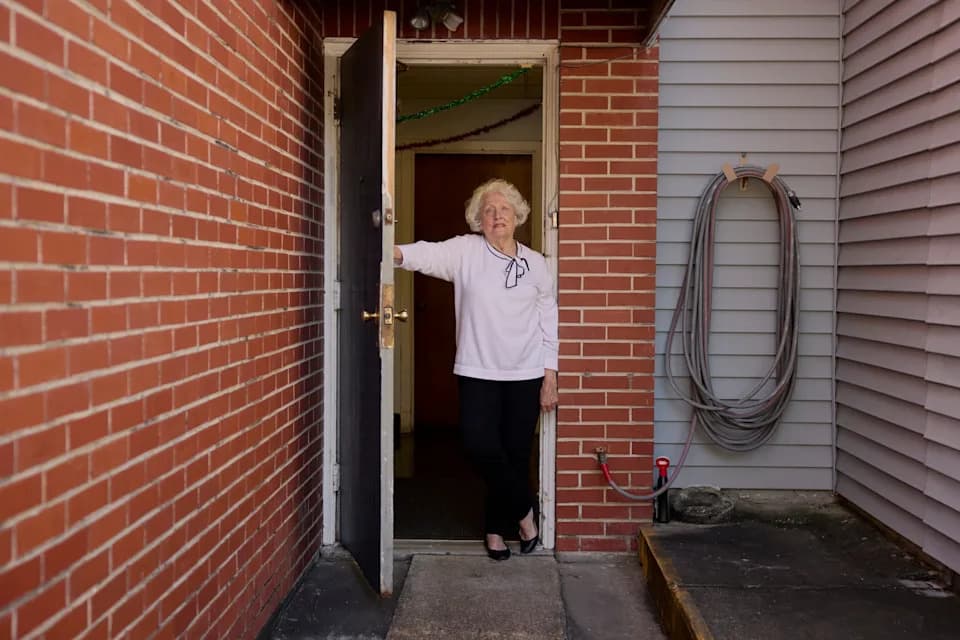
Rebecca Reed works two part-time jobs at 88.Annie Flanagan for BI
After a surge of pandemic-era support waned, millions of older Americans have slid back into poverty as rising medical, housing and long-term care costs erode savings and Social Security benefits.
New U.S. Census data—adjusted for tax credits and public programs—shows the share of Americans living below the adjusted poverty measure rose from 9.1% in 2020 to 13.1% in 2025. Among people 65 and older, the rate climbed from 9.4% to 15.4% during the same period.
Why Seniors Are Falling Behind
Millions of retirees depend primarily on Social Security, which the Census found kept 28.8 million people out of poverty in 2025, including nearly 21 million aged 65 and older. Still, Social Security often does not cover out-of-pocket costs such as Medicare premiums, prescription drugs, or long-term care, leaving many vulnerable as lifespans increase and the baby-boom generation retires.
Medical expenses are a major driver: the Census estimates 7.7 million people fell into poverty because of medical costs, about 2.5 million of whom were 65 or older—up from roughly 2.36 million in 2024. Long-term care costs have risen sharply: data from care navigation platform CareScout show the median cost of a private nursing-home room increased from $111,000 to $130,000 annually between 2022 and 2025.
Housing pressures add to the strain. A 2025 study from Harvard University's Joint Center for Housing Studies reports that more than one in three older households spends 30% or more of their income on housing. Older adults are also the fastest-growing segment of the homeless population: about 20% of people experiencing homelessness were aged 55 and older as of 2024.
Human Stories
Interviews conducted by Business Insider found many people in their 80s and beyond working part time in low-wage or menial jobs to cover basics like food and heating. Rebecca Reed, 88, who holds two lower-paying jobs in New Orleans, told reporters:
"We should get tax breaks after a certain age because prices are so high for food. And maybe some discounts at the grocery store."
Other seniors supplement Social Security with gig or caregiving work. Sharon Albrecht, 85, works for a home-health agency and drives part time for Uber in Virginia; she said the extra income meaningfully supplements her Social Security and retirement savings—and that work gives her flexibility.
What This Means
The retreat of pandemic-era supports, combined with rising medical and housing costs and the limits of Social Security, has widened financial vulnerability among older Americans. While the oldest groups remain the most likely to be poor, increasing poverty rates among those in their mid-60s and early 70s suggest a broader erosion of near-retiree finances, with implications for policy on benefits, health care, affordability, and family caregiving.
Sources: U.S. Census (adjusted poverty measure), Business Insider reporting, CareScout, Harvard Joint Center for Housing Studies.
Help us improve.