Republicans are increasingly open to raising payroll-tax revenue to shore up Social Security as trustees warn the program's trust funds could be exhausted in the early 2030s (around 2032). Proposals gaining traction include lifting or raising the 2026 payroll-tax cap of $184,500 so higher earners pay Social Security taxes on a larger share of income. Without action, beneficiaries could face roughly 20% automatic benefit cuts; experts say a combination of revenue increases and targeted reforms is the most likely long-term solution.
Republican Shift: Some GOP Lawmakers Open To Raising Taxes On Top Earners To Shore Up Social Security
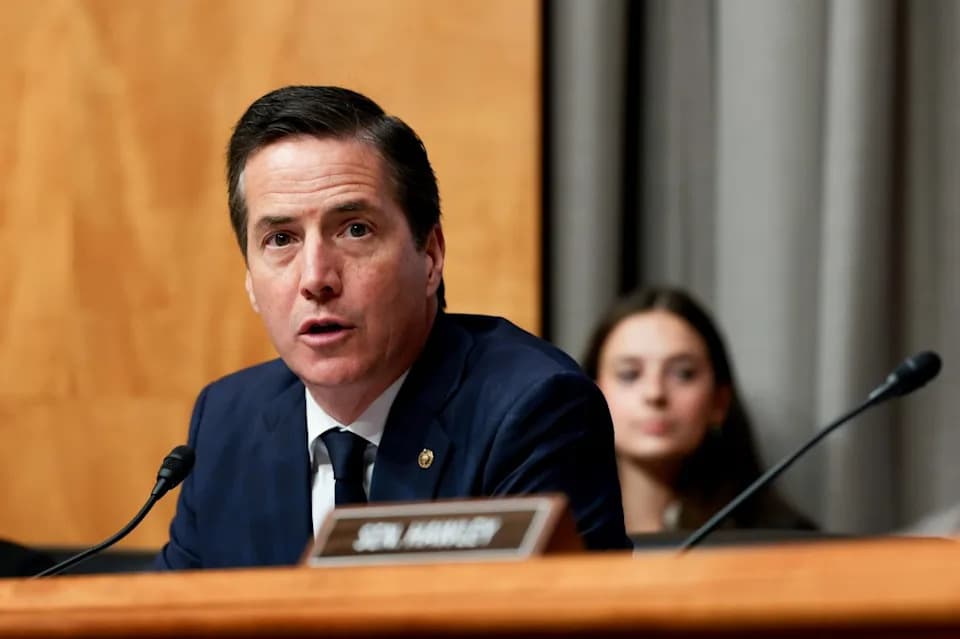
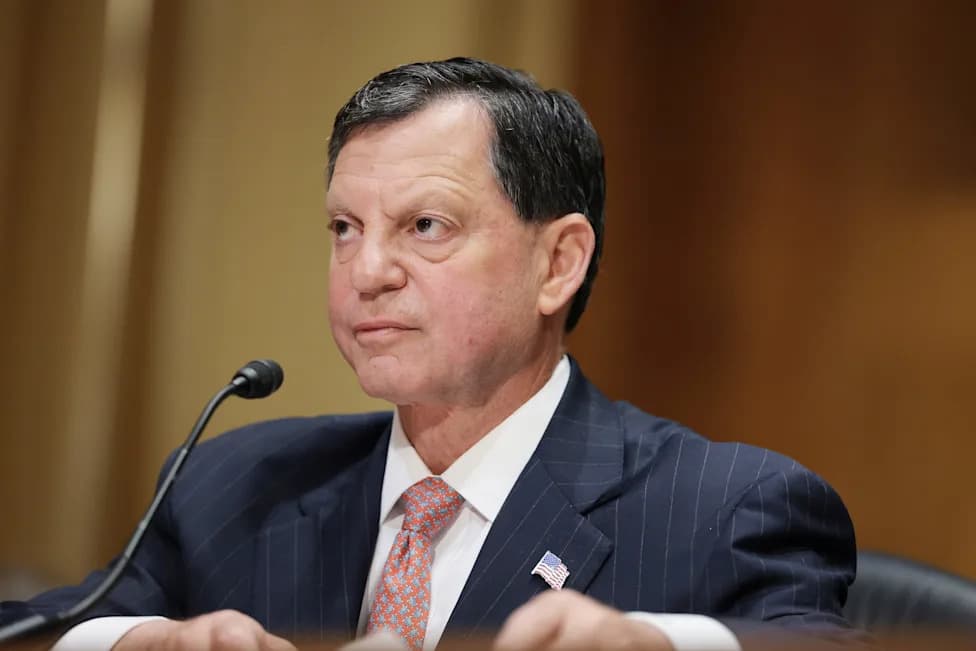
Senator Bernie Moreno speaks during a Senate Homeland Security and Governmental Affairs Committee hearing on July 29, 2026, in Washington.
A growing number of Republican lawmakers are signaling a willingness to consider higher taxes on top earners to stabilize Social Security as the program nears a funding crisis. The change would mark a notable shift from the GOP's long-standing opposition to tax increases and reflects mounting pressure to avoid automatic benefit cuts for retirees.
Why This Matters
Recent trustee projections show Social Security's trust funds could be depleted in the early 2030s—around 2032—absent congressional action. Once reserves are exhausted, payroll-tax receipts alone would likely fund only a portion of scheduled benefits, potentially triggering automatic reductions of roughly 20% or more for beneficiaries.
What Republicans Are Considering
Several Republicans have expressed openness to raising payroll-tax revenue, especially by targeting the current earnings cap. For 2026 the Social Security taxable maximum is $184,500, meaning wages above that level are not subject to the 6.2% payroll tax paid by workers (and matched by employers).
Ohio Senator Bernie Moreno drew attention when he joined Massachusetts Senator Elizabeth Warren in backing a proposal to lift or significantly increase the payroll-tax cap so that higher-income workers would pay Social Security taxes on a larger share—or potentially all—of their earnings. "The wealthiest Americans, who have benefited the most from America's opportunities, should contribute the same percentage of their income as a factory worker," Moreno and Warren wrote.
"Reality is setting in, and retirees don't want their benefits cut," said Kevin Thompson, CEO of 9i Capital Group and host of the 9innings podcast. "So what does that mean? The working public will likely have to shoulder more of the burden at a time when many are already dealing with higher prices, education costs, and an overall higher cost of living."
Representative Tom Cole, chairman of the House Appropriations Committee, has also said lawmakers should consider additional payroll-tax revenue. "I'm willing to look at the tax rate. I am willing to raise the amount of income through tax," he told The Washington Post.
Other Options Under Discussion
Policy experts and lawmakers have floated a range of reforms, including:
- Raising or eliminating the payroll-tax cap so high earners pay on more (or all) wages
- Raising the payroll tax rate
- Increasing the retirement age for future beneficiaries
- Reducing benefits for higher-income retirees or changing benefit formulas
- Expanding taxation of Social Security benefits
- Broadening the payroll-tax base to include previously untaxed compensation (e.g., employer-sponsored health insurance)
- Combining targeted spending reductions with new revenue
Most analysts expect a durable solution will require a combination of revenue increases and carefully targeted reforms rather than a single fix.
"Raising the payroll-tax cap would ask higher-income earners to contribute more and could close a significant portion of the funding gap," said Alex Beene, a financial literacy instructor at the University of Tennessee at Martin. "But it would also challenge a long-standing Republican position on not increasing taxes. Still, more Republicans could be open to discussing additional revenue if it means saving the federal government's most popular program."
Political Challenges
Even as bipartisan interest in revenue options grows, any legislative package will be politically difficult. Both parties face intense pressure to protect benefits while avoiding measures that could alienate voters. Critics warn that higher payroll taxes could affect investment and hiring decisions, while supporters argue the alternative—deep benefit cuts—would be politically and socially damaging.
As lawmakers prepare for difficult negotiations, experts say timing is critical: the closer Congress gets to the point of trust-fund depletion, the harder it will be to implement gradual or large-scale changes without disruptive consequences for beneficiaries and workers.
Contact: Newsweek editors Jenni Fink and Dave Siminoff.
Help us improve.