New York City’s Click-to-Cancel rule, effective Oct. 1, requires subscription services to offer cancellation that is as easy as signing up and to display clear renewal terms. The Department of Consumer and Worker Protection can fine violators—$525 for a first offense, $1,050 for a second and $3,500 for a third—and the city has an online complaint portal. The Roosevelt Institute estimates annual consumer savings of $21.5M to $162.5M. The move follows the 8th Circuit’s July 2025 vacatur of a proposed federal Click-to-Cancel rule.
NYC Makes Cancelling Subscriptions One-Click Easy With New Click-to-Cancel Rule
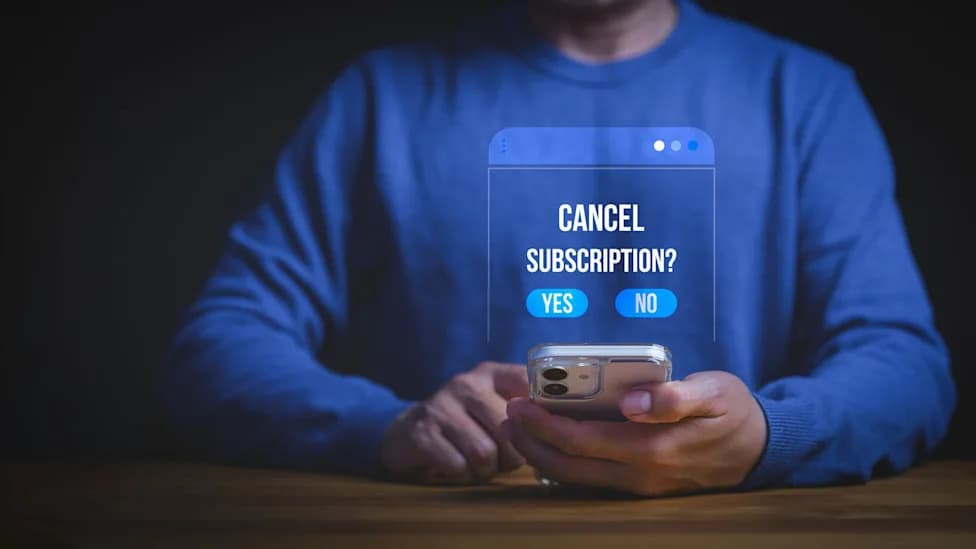
Canceling a pesky subscription just got easier in this city
New York City has adopted a new Click-to-Cancel rule that took effect on Oct. 1, giving the Department of Consumer and Worker Protection (DCWP) authority to require simple, transparent cancellation options for subscription services and to fine businesses that violate the standard.

Former New York City mayoral candidate Curtis Sliwa holds Mayor Zohran Mamdani's hand ashe receives a flu shot.Once-rivals Sliwa and Mamdani got their flu shots from the Commissioner of the New York City Department of Health and Mental Hygiene, Dr. Alister Martin at the Fort Greene Immunization Clinic in New York City, US, October 2, 2026.(Ryan Murphy, via REUTERS)
What the Rule Does
The rule requires companies that offer subscriptions to New York residents—such as food-delivery apps, streaming services and other recurring-billing platforms—to present clear, prominent terms and to provide a cancellation mechanism that is as easy to use as the sign-up process.

New York City Mayor Zohran Mamdani and former New York City Mayoral candidate Curtis Sliwa react after receiving flu shots at the Fort Greene Immunization Clinic in New York City, US, October 2, 2026.(Ryan Murphy, via REUTERS)
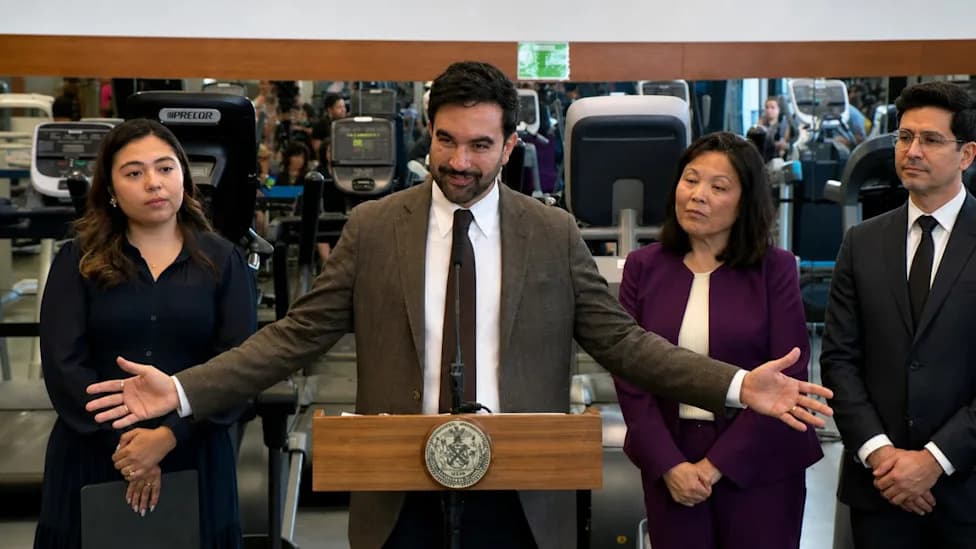
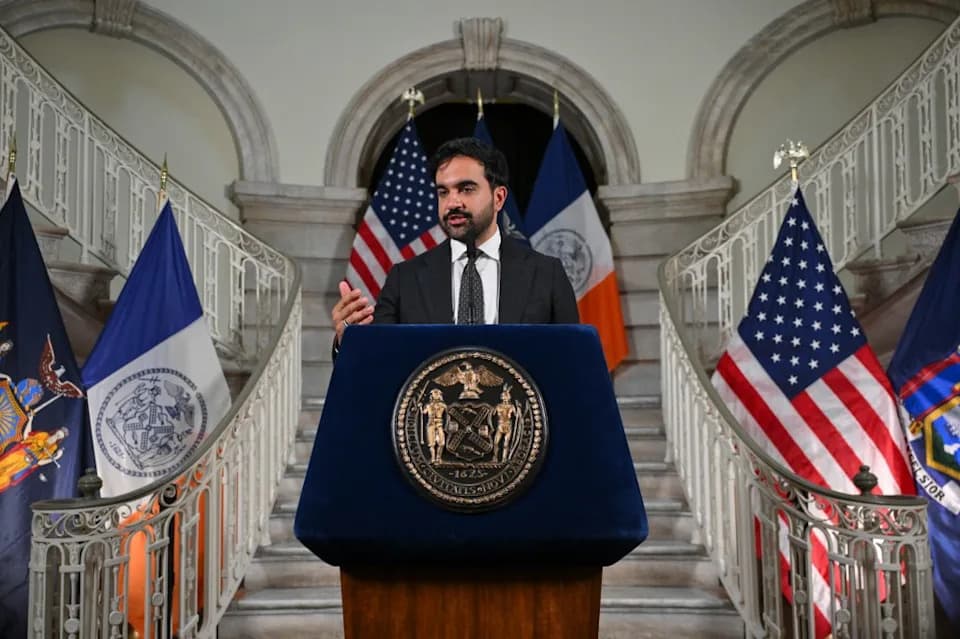
"No one should need 45 minutes of hold music to stop paying for something they never wanted," Mayor Zohran Mamdani said in the city announcement. "If a company can take your money with one click, you should be able to stop those charges with one click. And now, if they won't let you cancel, the city is coming for them."
Key Requirements
- Display clear material terms: what renews, exact costs, billing frequency, deadlines or timeframes to avoid charges, and cancellation options.
- Provide a simple cancellation mechanism that is at least as easy to use as the method used to subscribe (for example, one-click cancellation on a website or in-app).
- Prohibit obstructionist or deceptive practices such as hanging up on a cancelling customer, supplying false information, unreasonably delaying cancellations, or using confusing retention tactics.
- If an offer includes a free trial, temporary pricing, or a gift, clearly explain when the promotional period ends and what the recurring charge will be.
Enforcement, Penalties and Consumer Help
DCWP can enforce the rule with fines that increase for repeat offenses: $525 for a first violation, $1,050 for a second, and $3,500 for a third. The city has launched an online portal where consumers can file complaints, and complaints may also be submitted by mail or fax. Grounds for filing include unclear terms, difficulty or delay in canceling, unsolicited shipments consumers did not request, failure to disclose automatic renewals, or changes to subscription terms without notice.

New York City Mayor Zohran Mamdani and former New York City Mayoral candidate Curtis Sliwa (L) receive flu shots from the Commissioner of the New York City Department of Health and Mental Hygiene, Dr. Alister Martin, at the Fort Greene Immunization Clinic on October 2, 2026 in New York City.(Pool, Getty Images)
Why It Matters
The Roosevelt Institute estimates the new rule could save New Yorkers roughly $21.5 million to $162.5 million annually by reducing unwanted recurring charges and deceptive renewal practices. The measure also comes after the U.S. Court of Appeals for the 8th Circuit vacated the Federal Trade Commission's proposed nationwide Negative Option Rule (a federal Click-to-Cancel policy) in July 2025, leaving room for stronger local protections like New York City’s.

New York City Mayor Zohran Mamdani and former New York City Mayoral candidate Curtis Sliwa react after receiving flu shots at the Fort Greene Immunization Clinic in New York City, US, October 2, 2026.(Ryan Murphy, via REUTERS)
If you believe a company has violated the rule, visit the DCWP online complaint portal or contact the agency for instructions on mailing or faxing a complaint.

New York City Mayor Zohran Mamdani (R) and former New York City Mayoral candidate Curtis Sliwa (L) shake hands after receiving flu shots at the Fort Greene Immunization Clinic on October 2, 2026 in New York City.(Pool, Getty Images)
Reporting credit: Greta Cross, USA TODAY. Story originally appeared on USA TODAY.
Help us improve.