New York City’s Click-to-Cancel rule, effective October 1, 2026, requires that cancelling an online subscription be no harder than signing up. Businesses that accept online sign-ups must provide an online cancellation option and disclose automatic-renewal terms at signup, enrollment, and cancellation. Penalties start at $525 per violation; the city estimates annual consumer savings of $21.5M–$162.5M and at least 600,000 hours saved. Complaints are handled by city staff via a portal or 311, and the rule applies only within NYC.
NYC's New 'Click-to-Cancel' Rule Makes Subscription Cancellations As Easy As Signups
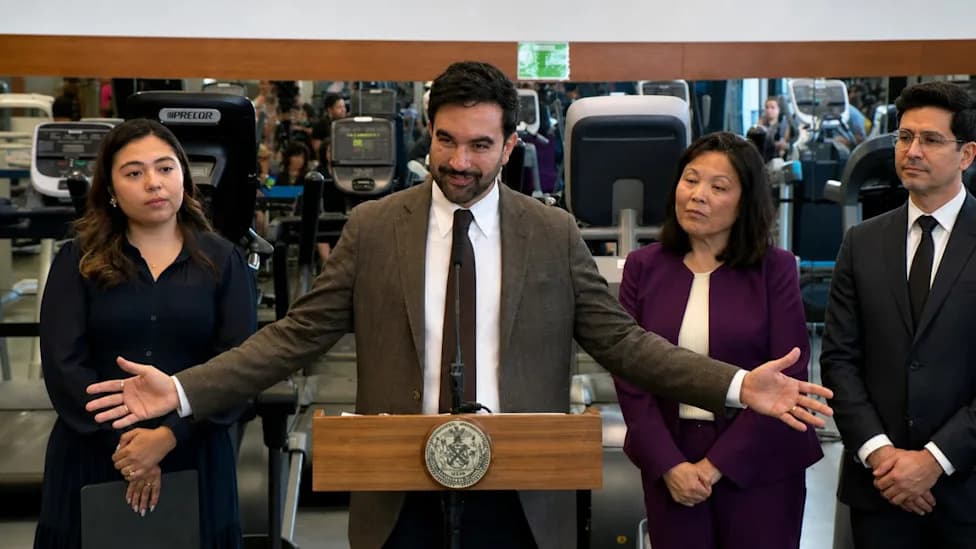
Image: YouTube - NYC Mayor's Office
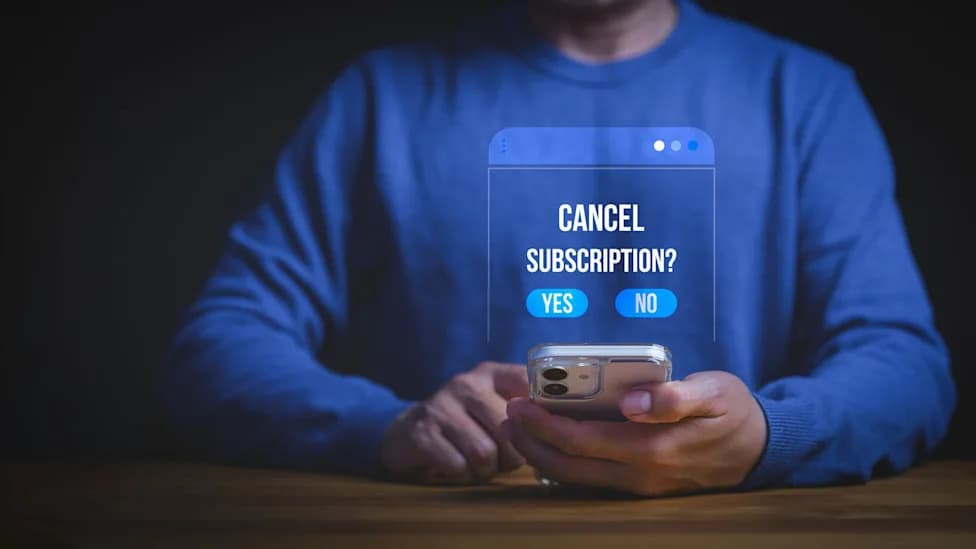
New York City's Click-to-Cancel regulation took effect on October 1, 2026, requiring that cancelling a qualifying subscription be no harder than enrolling in one. The rule targets automatic-renewal and continuous-service subscriptions and is intended to stop companies from using barriers — like forced phone calls or in-person visits — to keep customers enrolled.
What The Rule Requires
Businesses that accept online sign-ups must offer an online cancellation option. Companies must clearly disclose subscription terms at signup, at enrollment, and again at the point of cancellation — including any automatic-renewal conditions and conversion from free trials to paid plans. The rule applies to gyms, streaming services, memberships, and other subscription services that meet the regulation's definitions. Deceptive or unconscionable practices tied to automatic renewals are explicitly banned.
Enforcement And Consumer Remedies
Penalties for violations start at $525 per violation. Consumers who encounter obstructive cancellation practices can file complaints through the city’s Click-to-Cancel portal at nyc.gov or by calling 311. Complaints will be routed to DCWP staff rather than automated systems; the department may request additional information, help consumers seek refunds, and assist with ending subscriptions. Repeated complaints against a single company can prompt broader investigations.
Samuel Levine, Commissioner of the NYC Department of Consumer and Worker Protection: "They're not going to be diverted into a chatbot doom loop. We're going to have actual people whose full-time job is to help them."
Projected Impact And Limits
The city estimates Click-to-Cancel could save New Yorkers between $21.5 million and $162.5 million annually and recover at least 600,000 hours a year that consumers would otherwise spend trying to cancel unwanted services. Those are projections based on expected time savings and earlier cancellations, not guaranteed refund amounts.
Importantly, the rule applies only within New York City. It does not automatically extend to other parts of New York State or to the rest of the country. National companies may choose to standardize cancellation flows to comply citywide, but that outcome is possible — not guaranteed.
Background
The rule follows a failed federal effort: the Federal Trade Commission pursued a national click-to-cancel rule that was struck down on procedural grounds by an appeals court before taking effect. NYC’s effort — including a complaint portal built in about 10 weeks by the mayor’s Public Interest Technology Crew — is presented as a faster local model to protect consumers while federal policy remains unsettled.
Practical Tips For Consumers
- Keep screenshots of subscription terms and confirmation emails at signup.
- If cancellation is blocked or made difficult, file a complaint through nyc.gov or call 311 and provide copies of your records.
- Look for clear disclosures about free-trial conversions and automatic renewals before you subscribe.
Overall, Click-to-Cancel aims to simplify subscription management for New Yorkers, reduce hidden friction that traps consumers in unwanted services, and provide a clear path for enforcement when businesses fail to comply.
Help us improve.