In his first nine months as mayor, Zohran Mamdani pushed an aggressive affordability agenda — from a pied‑à‑terre tax and a rent freeze to city‑run grocery stores and expanded rental assistance — and several initiatives have run into court challenges. A judge recently canceled initial tax notices on procedural grounds, landlords have sued over a rent freeze, grocers allege antitrust harms from city stores, and an admissions lawsuit targets the Discovery program. Mamdani is also leading a national lawsuit against a federal public‑charge rule.
Zohran Mamdani’s Legal Gauntlet: How NYC’s Affordability Agenda Is Playing Out in Court
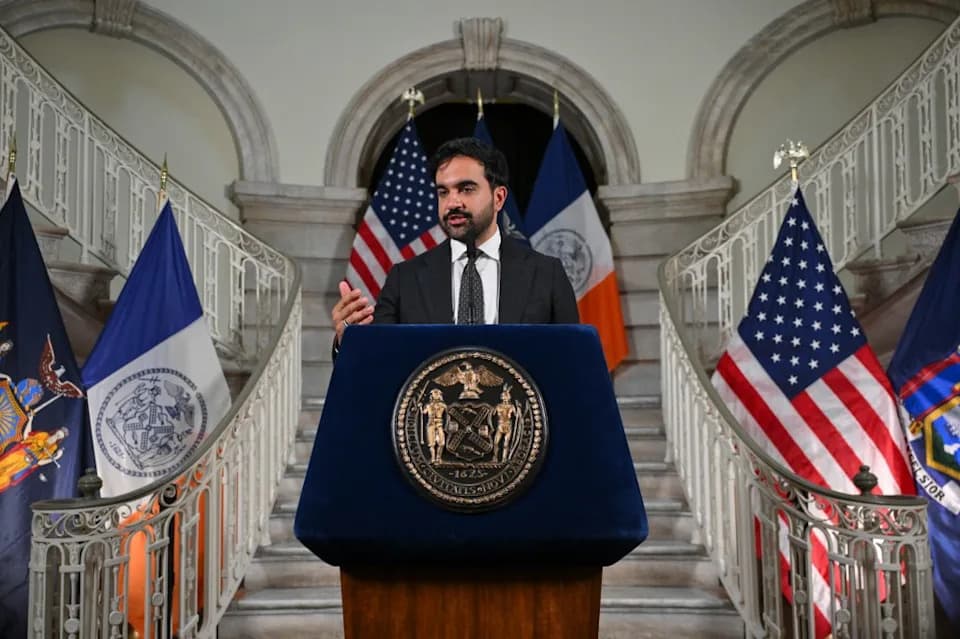
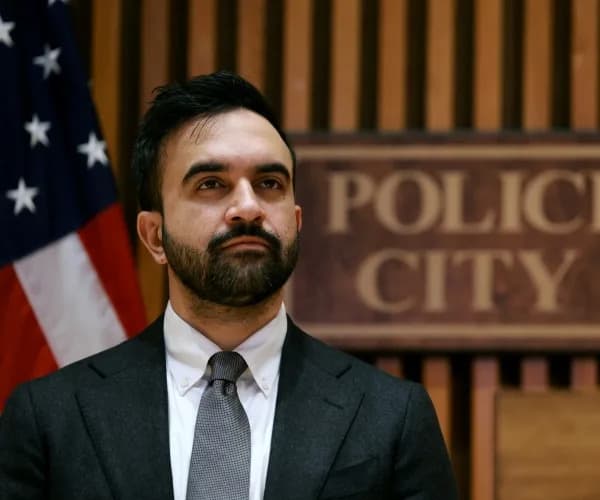
New York City Mayor Zohran Mamdani speaks at City Hall in New York City on September 14, 2026.
Zohran Mamdani, who took office as New York City’s mayor earlier this year, campaigned on an ambitious affordability platform — promising a rent freeze, cheaper groceries, expanded housing assistance and a pied‑à‑terre tax targeting high‑value second homes. In his first nine months, the administration has moved quickly to implement parts of that agenda, but several initiatives have met legal headwinds.
Pied‑à‑Terre Tax: Procedural Setback, But Not Dead
Mamdani proposed an annual pied‑à‑terre tax that would levy an extra charge on Manhattan residences worth more than $5 million and on condos or co‑ops over $1 million when they are not the owner’s primary residence. A judge recently found that the city failed to follow required procedures before mailing tax notices to potentially affected owners, concluding that the rollout violated recipients’ due‑process rights and ordering those initial notices canceled.
The court did not strike down the tax itself. The judge said the city may still implement the levy if it posts a corrected list of affected properties and sends new notices in compliance with the law. City Hall immediately appealed, triggering an automatic stay that allows the city to continue the rollout while litigation proceeds. Separately, lawsuits brought by casino owner Steve Wynn and former Commerce Secretary Wilbur Ross challenge the tax’s constitutionality.
Rent Freeze and the Rent Guidelines Board
One of Mamdani’s marquee promises was a rent freeze for roughly one million rent‑stabilized apartments. In June, the Rent Guidelines Board voted for no rent increase on one‑ and two‑year leases beginning October 1. Landlords filed suit seeking to block the freeze, alleging the board was improperly influenced by the mayor and failed to independently consider owners’ financial arguments.
The city and the board deny those claims, saying the decision followed lawful procedures. The lawsuit is ongoing; a judge has ordered City Hall and the board to produce emails and text messages as part of discovery. As of now, the freeze remains scheduled to take effect on October 1.
City‑Owned Grocery Stores Face Antitrust Challenges
To fight rising grocery prices, the administration announced plans to open five city‑owned grocery stores — one in each borough — by 2029, with the goal of reducing the average grocery bill by about 15 percent. Independent grocers’ groups have sued, arguing that city‑subsidized stores would undercut small competitors. The National Supermarket Association has filed a federal suit alleging the plan violates antitrust law. The administration maintains the stores are designed to improve affordability and has defended the plan’s legality in court.
Elite High School Admissions: Discovery Program Lawsuit
New York City’s elite public high schools primarily admit students by exam, but the Discovery program reserves seats for students from disadvantaged middle schools who narrowly miss the cutoff. An Asian‑American parent whose son was denied admission sued, claiming the program discriminates against Asian‑American applicants. The Discovery program predates Mamdani’s term, but his administration is defending it in court.
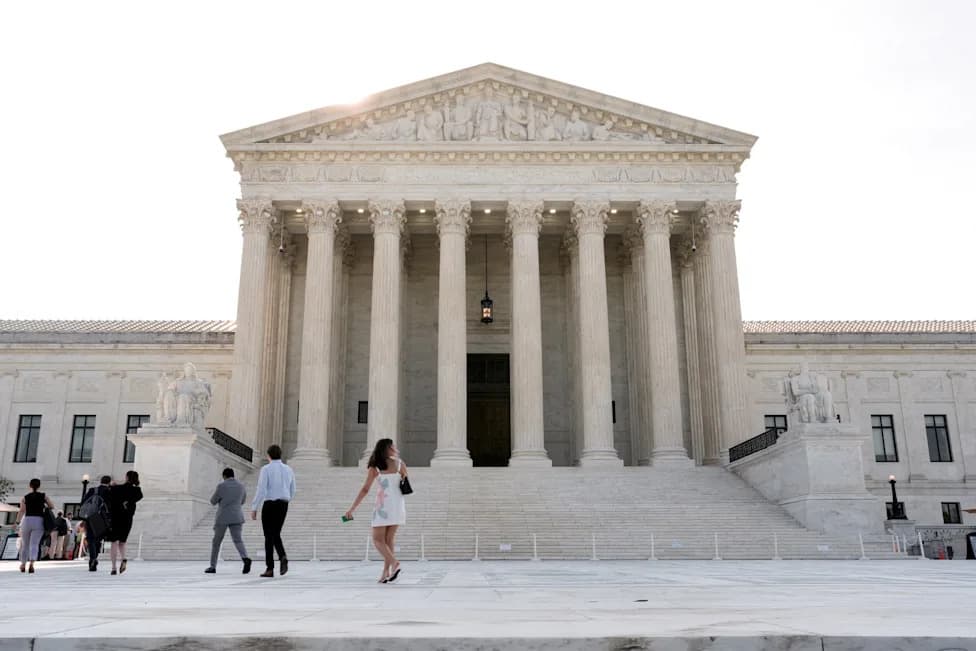
Supreme Court Justice Sonia Sotomayor denied an emergency request to admit the student to Stuyvesant while the appeal proceeds in the Second Circuit; her decision left the core legal questions unresolved.
CityFHEPS Rental Assistance Negotiation
CityFHEPS, the city’s rental assistance program for low‑income residents, was at the center of a separate dispute. A 2023 City Council package would have expanded eligibility for people facing eviction or homelessness, but the previous administration declined to implement it because of its cost, prompting litigation. Mamdani’s administration initially continued the lawsuit after taking office, then reached a June deal with the City Council to end the litigation and implement a narrower expansion of rental assistance.
Federal Public‑Charge Rule: NYC Leads National Challenge
Unlike the other cases, New York City is the plaintiff in a coalition of municipalities suing the federal government over a rule that broadens the public benefits immigration officers may consider when assessing whether an applicant is a “public charge.” The administration argues the rule — which took effect on September 18 — could discourage immigrants from using essential benefits such as Medicaid or food assistance and thereby harm public health. The NYC‑led lawsuit is pending in federal court.
News organizations asked City Hall for comment; the administration has publicly defended its policies and is pursuing appeals, negotiations and litigation where necessary as these cases move through the courts.
Help us improve.