The GOP is increasingly worried about the 2026 midterms as polls and political trends move against them, though structural and financial advantages still temper the outlook. Trump’s weak approval ratings, the Iran conflict and inflation are major liabilities, and Democrats’ generic-ballot lead is drifting toward double digits. However, Republicans’ recent surge in ad spending and a favorable House and Senate map mean a total Democratic rout is not guaranteed. Watch Maine, Michigan and New Hampshire — if all three move decisively away from Republicans, the party’s concerns could become a full-blown crisis.
Should Republicans Be Panicking About 2026? What the Polls, Spending and Maps Really Say

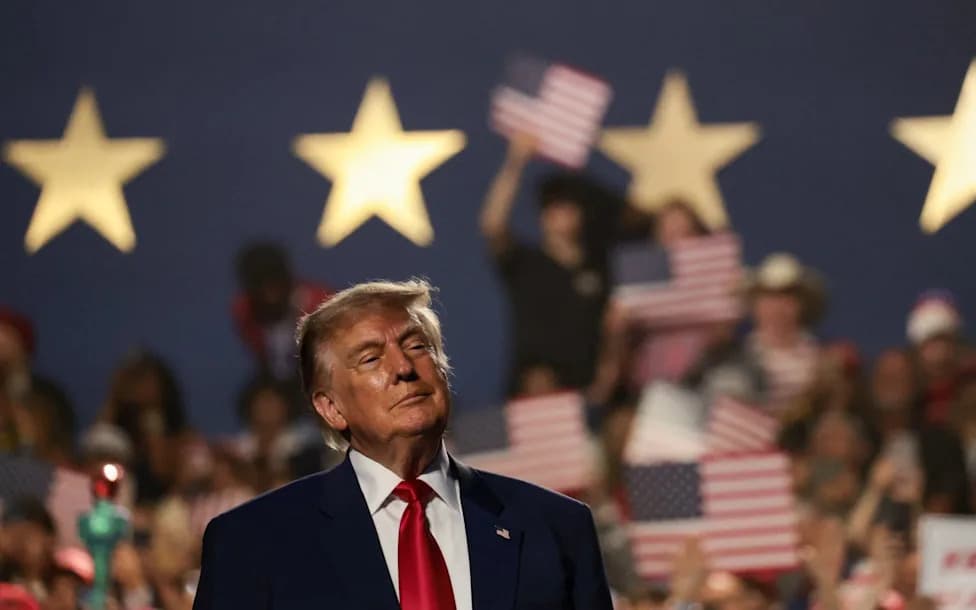
President Donald Trump speaks at a rally in Gastonia, North Carolina, on September 16. - Alex Brandon/AP
The Republican Party appears to be in open alarm about the 2026 midterm elections. Recent reporting shows GOP operatives increasingly worried that a string of negative indicators could cost them control of both the House and the Senate.
Where the Panic Comes From
Several measures are flashing red for Republicans. Donald Trump's approval ratings look worse than those of many modern presidents heading into a midterm, and voters seem more motivated to vote against him than they were against George W. Bush in 2006. At the same time, the war with Iran and persistent inflation are prominent liabilities that overshadow other issues for many voters.
Democrats’ advantage on the so-called generic ballot is trending toward double digits — a historical signal that often precedes a large rout for the party out of power. Taken together, these trends have amplified GOP anxiety: the direction of the numbers is as important as the levels themselves.
What Could Still Help Republicans
Not all indicators point to an overwhelming Democratic surge. One important factor shifting in Republicans' favor is spending. Data from AdImpact show Republicans have outspent Democrats in nearly every major Senate race and reserved more airtime in all nine of the most competitive contests, with that advantage solidifying in late September. Heavy advertising could erode the favorable image scores some Democratic candidates now enjoy in competitive, red-leaning states.
Structural advantages also remain significant. The current Senate map forces Democrats to defend or flip seats in many red states; to win a Senate majority they would likely need to carry at least two states that President Trump won by double digits in 2024. In the House, mid-decade redistricting has left the median district roughly 3.5 points redder than the nation as a whole, according to the University of Virginia's Center for Politics, giving Republicans a built-in cushion.
Undecided Voters And The Swing States To Watch
Undecided voters appear especially vulnerable to Democratic messaging. A New York Times–Siena College poll found undecided likely voters disapproved of Trump by a wide margin (55% to 19%), with about four in ten strongly disapproving. CNN polling similarly suggests undecided voters skew younger and more likely to be voters of color — demographics that tend to favor Democrats.
Several Senate matchups will be decisive: Maine, Michigan and New Hampshire stand out. While Democrats generally lead in those states, some polls show narrow GOP or competitive positions — for example, Times–Siena had GOP Sen. Susan Collins up by 3 in Maine, and Republicans were within five points in New Hampshire in some surveys. If Republicans reclaim one or more of these states, it could dramatically alter Democrats' path to a majority.
Bottom Line
Republicans have reason to be worried: trends on approval, inflation and foreign policy are real liabilities, and the generic-ballot trajectory is troubling. But spending advantages and favorable maps mean a decisive Democratic sweep is not inevitable. The outcome will hinge on late-campaign dynamics — ad spending, turnout among undecided voters, and developments in the key Senate states mentioned above. If Maine, Michigan and New Hampshire all slip away from GOP contention, party leaders will have reason to escalate their alarm to crisis levels.
For more CNN coverage and newsletters, create an account at CNN.com.
Help us improve.