Jonathan Kreiss-Tomkins, 37, emerged as the surprise frontrunner after Alaska's open primary, campaigning across the state by skiff, snowmachine and floatplane. Trump's approval in Alaska has fallen about 21–22 points since 2022, and local anger over an unmet promise to raise the Permanent Fund Dividend has widened an opening for Democrats. A September AARP poll put Kreiss-Tomkins at 40% first-choice support versus a combined 41% for three Republicans; the race will test whether national discontent or Alaska-specific issues decide November.
Democratic Upset Brewing in Alaska: Jonathan Kreiss-Tomkins Leads as Trump Approval Collapses
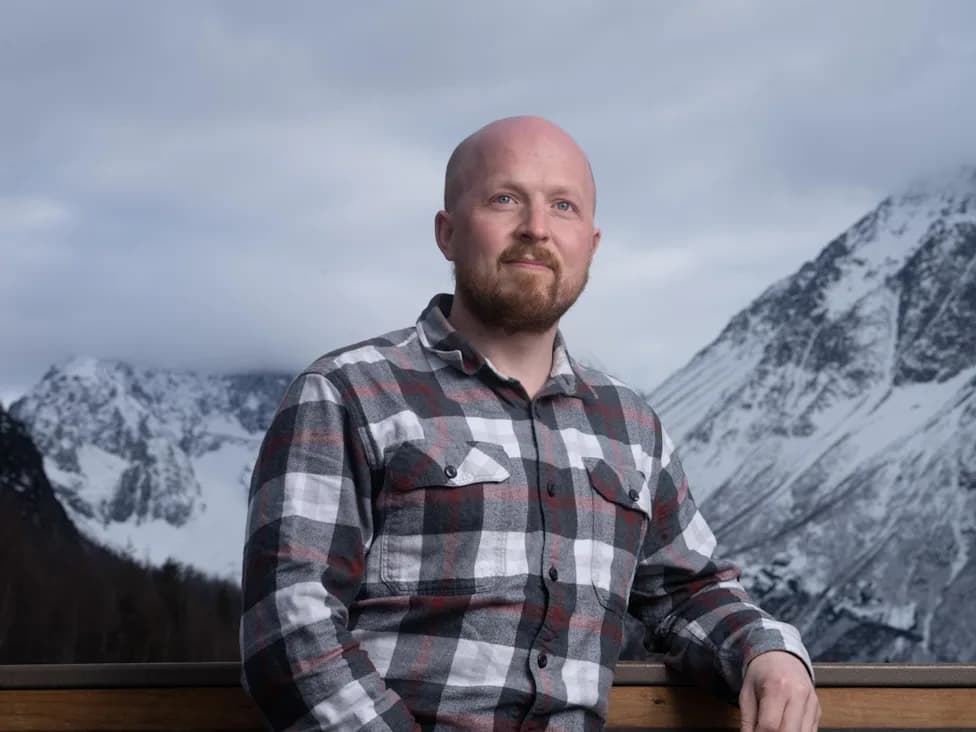
Jonathan Kreiss-Tomkins, the Democratic candidate for Alaska governor, in a campaign photo.Photograph: Jonathan Kreiss-Tomkins for Alaska
Jonathan Kreiss-Tomkins, a 37-year-old former state representative, has emerged as the surprise frontrunner in Alaska's governor's race after finishing first in the state's open, nonpartisan primary. This July he spent four days and roughly 450 miles (725 km) down the Yukon River in a 24-foot Alweld skiff, visiting 11 villages — many reachable only by boat or small plane — as part of an old-fashioned retail campaign that mixes boats, snowmachines and floatplanes.
Retail Campaigning Across The Last Frontier
Known locally as "JKT," Kreiss-Tomkins is crisscrossing the state to meet voters face to face, a strategy his campaign pairs with a volunteer network called "Superpod" that routes texts to real people rather than automated responses. Supporters and observers say the combination of personal outreach and energetic organizing has helped him mobilize young and otherwise disengaged voters.
"Alaskans are hungry for change. We've been running the same campaign since we launched in February, and I don't take anyone's vote for granted," Kreiss-Tomkins said.
National Trends Meet Local Grievances
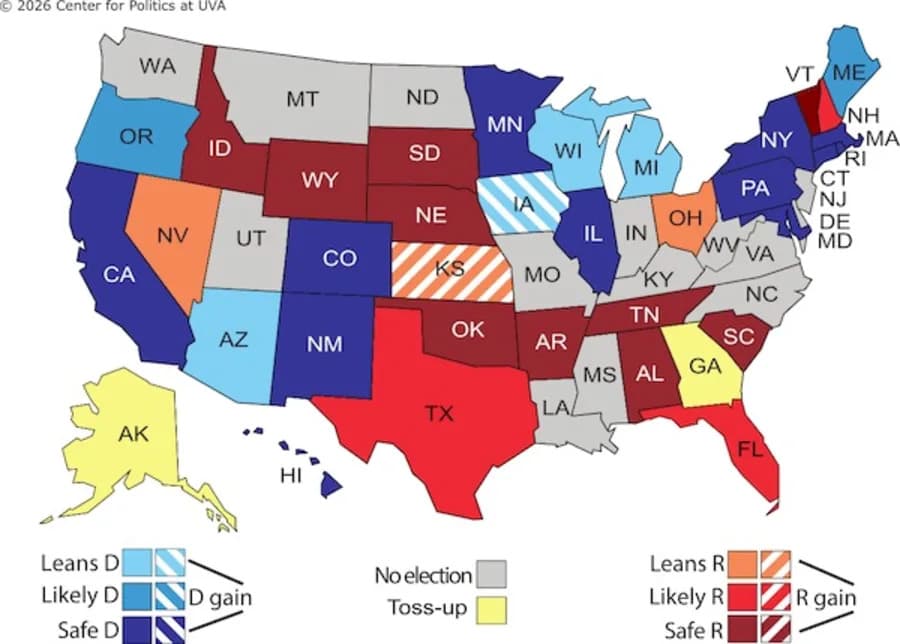
Just two years after Donald Trump carried Alaska by 13 points, his approval rating in the state has plunged roughly 21–22 points — one of the steepest drops in reliably Republican states he previously won. That decline, combined with local frustration over outgoing governor Mike Dunleavy's failure to deliver on promises to increase the Permanent Fund Dividend (PFD), has created an opening for Democrats.
In 2026 the state paid a PFD of $1,000 plus an additional $200 energy-relief payment; many voters remain dissatisfied that previous promises to raise the PFD further were never fulfilled. Kreiss-Tomkins says he supports a dividend that is "meaningful and sustainable" and rejects election-year promises that would destabilize the budget.
The Ballot, The Polls And The Opposition
Under Alaska's ranked-choice voting system — approved by voters in 2020 — the top four finishers in the open primary advance to the general election, where voters rank candidates and preferences transfer as contenders are eliminated. In August a bipartisan AARP poll showed Kreiss-Tomkins receiving 40% of first-choice preferences versus a combined 41% for the three Republican candidates who advanced: Bernadette Wilson, Dave Bronson and Treg Taylor.
The Republican field has been fractious. Bernadette Wilson, an Anchorage entrepreneur and the top Republican finisher in the primary, has secured high-profile endorsements and criticizes Kreiss-Tomkins' decade in public office and his elite educational background. Dave Bronson, a former Anchorage mayor, remains a polarizing figure after contentious fights over homelessness. Treg Taylor — a former state attorney general — had a turbulent path onto the ballot amid disclosure disputes.
Fundraising, Tech Donations And Controversy
Kreiss-Tomkins outraised the field during the primary, attracting significant out-of-state contributions, including six-figure donations from employees of artificial intelligence companies. He has defended the donations while calling for a moratorium on new Alaska data centers and proposing regulations aimed at protecting residents from AI-related harms.
The campaign's strengths — retail outreach, energized volunteers and outside funding — raise questions about how much of Kreiss-Tomkins' momentum reflects national dissatisfaction with Trump versus Alaska-specific concerns and personalities. The ranked-choice system will also test whether conservative votes split among multiple Republican contenders, possibly benefiting the Democratic frontrunner.
What Voters Are Hearing
On the trail, Kreiss-Tomkins emphasizes education and lowering the cost of living as core priorities. Supporters praise his accessibility and vision; skeptics point to his fundraising sources and political experience as potential liabilities. The race remains closely watched as a bellwether for how national trends and local grievances interact in a unique electoral system.
Help us improve.