The Supreme Court’s expedited "shadow docket" has become a frequent avenue for the Trump administration to obtain temporary court orders without full merits review. Recent unsigned orders have allowed third-country deportations, use of a DHS voter database, and the temporary withholding of $4 billion in foreign aid. Legal scholars and several judges warn the Court is granting emergency relief too often without adequate factual findings or explanation, potentially undercutting lower courts and expanding executive power.
How the Supreme Court’s ‘Shadow Docket’ Has Helped Advance the Trump Administration’s Agenda
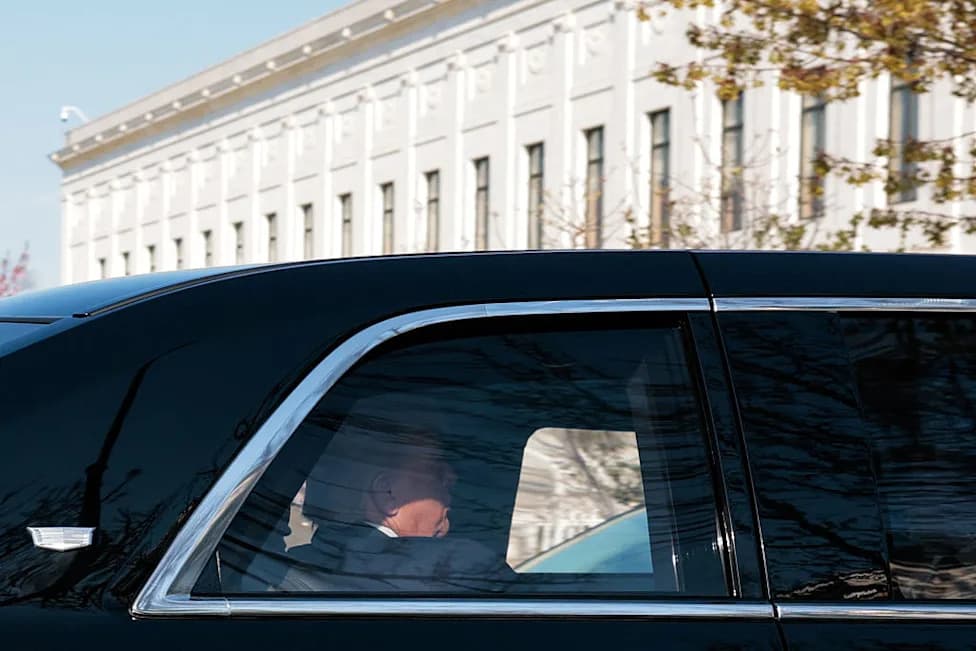
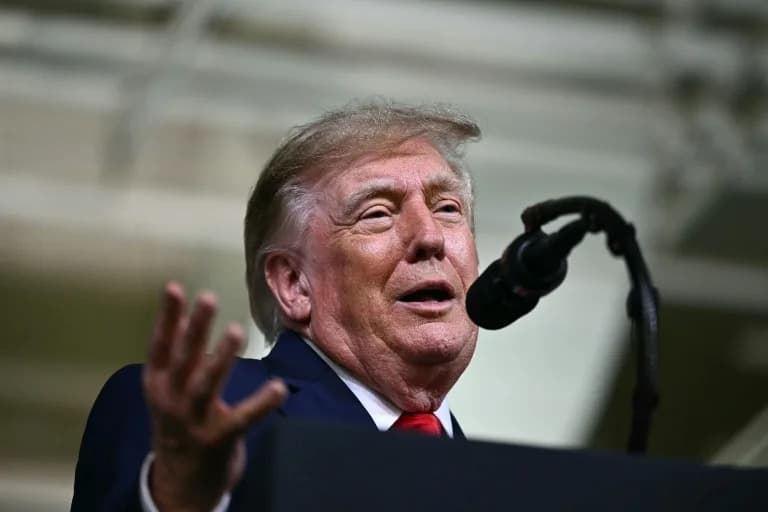
President Donald Trump rides in his motorcade as he arrives at the Supreme Court in Washington, D.C., on April 1, 2026. —Kent Nishimura—AFP/Getty Images
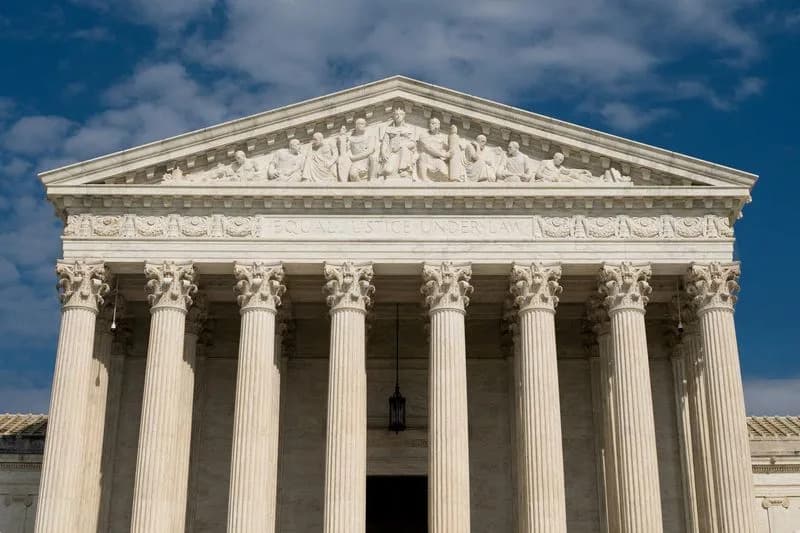
While President Donald Trump faces political and legal pushback on multiple fronts, his administration has repeatedly turned to the Supreme Court’s expedited emergency docket—commonly called the “shadow docket”—to secure temporary victories that allow policies to move forward before full review.
What Is the Shadow Docket?
The shadow docket is the Court’s fast-track procedure for emergency applications: stays, injunctions, and temporary orders issued without the full briefing, oral argument and lengthy written opinions that characterize the merits docket. Orders from the shadow docket are often unsigned, provide no recorded vote totals, and give little or no detailed legal reasoning.
Notable Recent Orders
In recent weeks the Court issued unsigned emergency orders allowing the administration to:
- Resume deportations to so-called third countries, temporarily lifting a lower-court injunction.
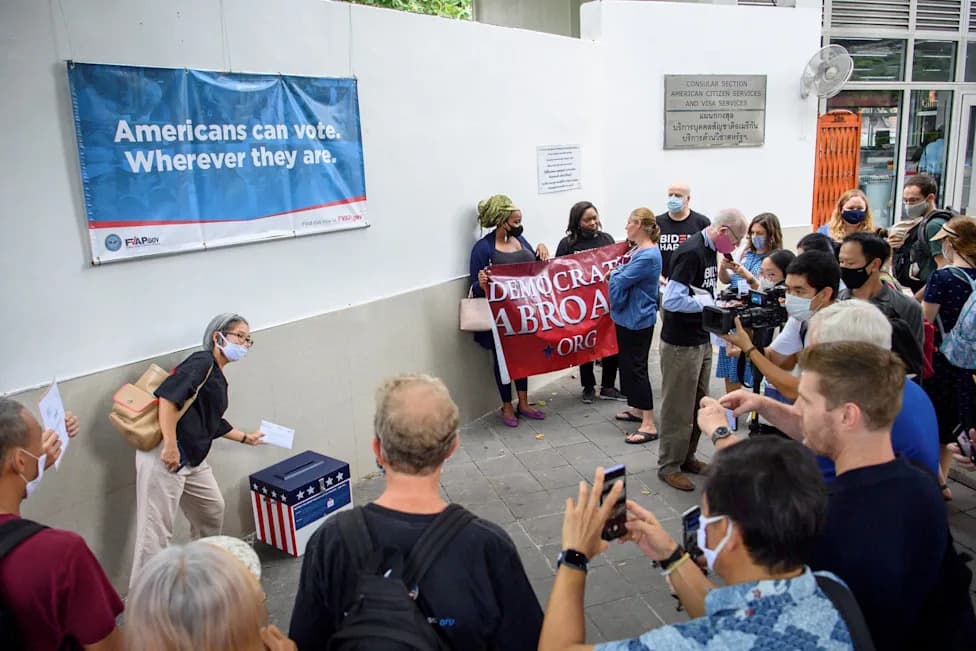
- Use an updated Department of Homeland Security database to verify voter eligibility ahead of the November midterms.
- Temporarily withhold $4 billion in foreign aid while appeals proceed, with the Court saying potential harm to foreign-relations interests weighed in the Executive’s favor.
The Court has also received emergency requests on other contentious matters, including a bid to allow restrictions on gender-affirming medical care for transgender federal inmates and a request to enforce limits on mail-in ballots (the latter was denied in September).
Statistics And Trends
Use of the shadow docket by the Trump administration has been prolific compared with recent presidents. Across his first term, Trump filed 41 emergency applications; he has filed roughly the same number so far in his second term. Since January, the Supreme Court has issued 32 shadow-docket decisions tied to the administration, and 24 of those favored the government.
Critics’ Concerns
Legal scholars, several lower-court judges, and the Court’s liberal justices warn that the shadow docket is being used too readily to grant emergency relief without adequate findings that legal thresholds—such as irreparable harm or the public interest—are met. They say the high court often ignores the factual records and evidentiary hearings assembled in lower courts.
"It is rarely a genuine emergency for the executive branch to be thwarted in trying to implement one of its policies while litigation is pending," said Kate Shaw, a professor at the University of Pennsylvania Carey Law School.
"You have these lower courts that are working incredibly hard to have evidentiary hearings, and make factual findings on the record... And the Supreme Court ... in virtually every shadow docket case where it has stayed a lower court injunction, it has ignored the factual findings," said Carolyn Shapiro, founder of the Institute on the Supreme Court at Chicago-Kent College of Law.
Voices From The Court And The Bench
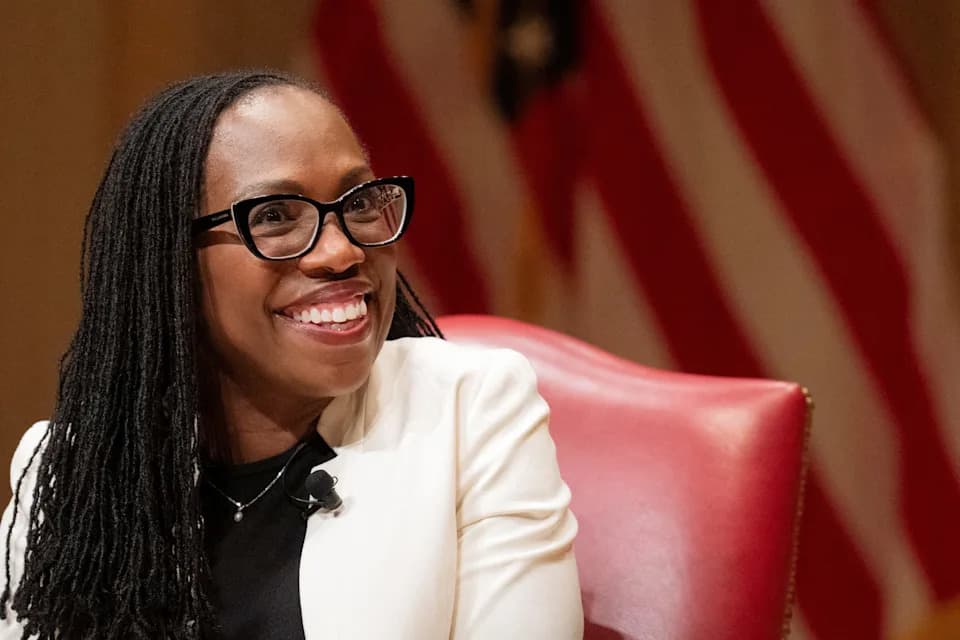
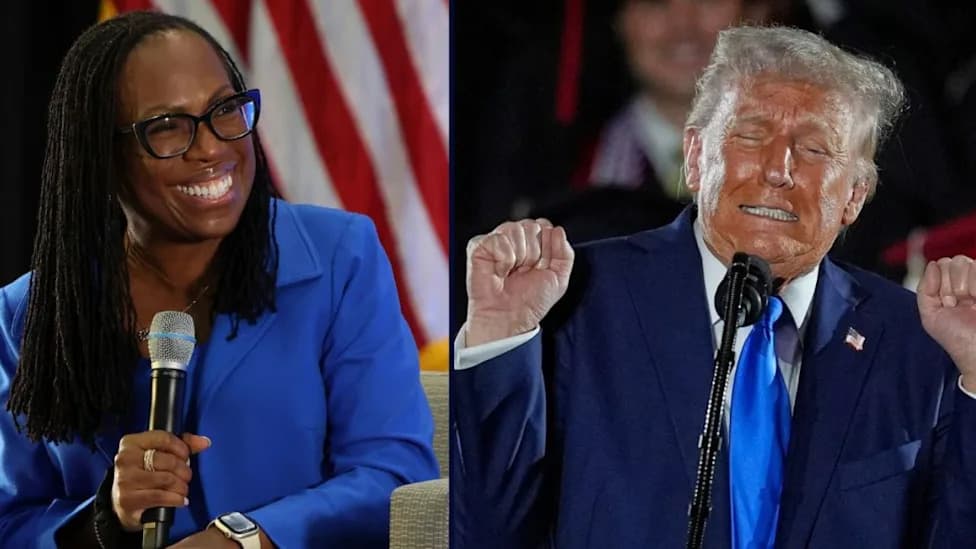
Several justices have publicly expressed concern. Justice Ketanji Brown Jackson warned that modern stay practices risk becoming an "end-run" around the standard review process. Justice Neil Gorsuch criticized the expansion of emergency practices and the growth of federal and executive authority at the expense of states. Lower-court judges have described unexplained, controlling orders as opaque and disruptive to a uniform system of justice.
Administration’s Defense
A Department of Justice official told reporters that emergency applications are appropriate when lower courts block policies without justification and that timely relief prevents multi-year delays that would otherwise stall any administration’s priorities. The DOJ maintains that asking the Supreme Court to intervene "when it is warranted does not undermine the judicial system—it's how the system is designed to work."
Why It Matters
The shadow docket can determine whether a policy operates in practice while litigation proceeds, effectively shaping governance without the usual transparency or reasoned opinions the public and lower courts rely on. Critics argue this concentrates power in the executive branch and erodes the role of factfinding tribunals, while supporters say it can prevent prolonged disruption when lower-court rulings conflict with national interests.
Bottom line: The shadow docket is a powerful tool that the Trump administration has used frequently and with substantial success; its expanding role raises enduring questions about judicial process, transparency, and the balance of powers.
Help us improve.