President Trump has nominated 13 federal judges in a rapid push while the Republican-led Senate is in recess, with six nominees heading to Judiciary Committee hearings this week and five others awaiting full-Senate action. If Democrats win control of the Senate on Nov. 3, the White House’s path to additional confirmations could close. The nominees — many young conservatives and several Federalist Society members — could shape the judiciary for decades, while Democrats raise concerns about partisan loyalty. The White House says nominees were vetted for qualifications.
Trump Races to Confirm 13 Federal Judges Before Midterms as Senate Control Hangs in Balance
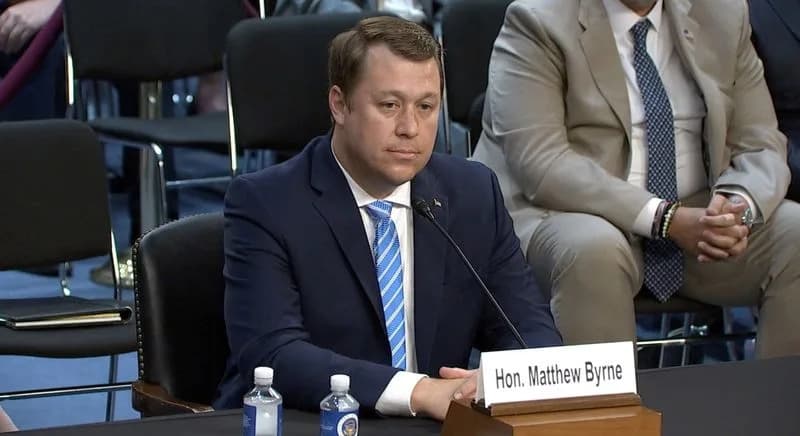
Judge Matthew Byrne of Ohio appears before the U.S. Senate Judiciary Committee in Washington, D.C., U.S., June 24, 2026. U.S. Senate/Handout via REUTERS. THIS IMAGE HAS BEEN SUPPLIED BY A THIRD PARTY.
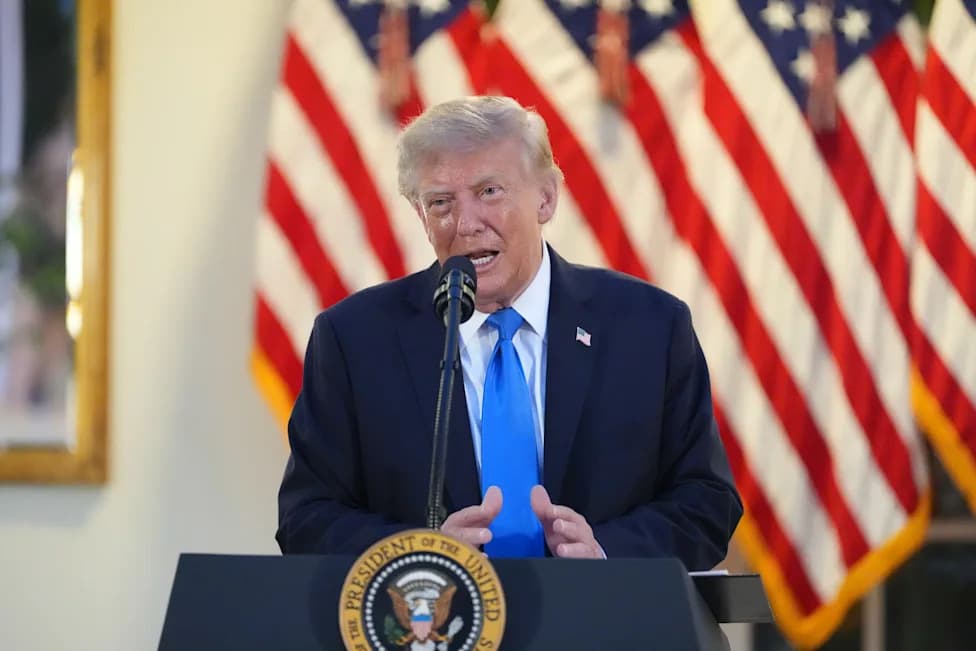
With control of the U.S. Senate uncertain ahead of the Nov. 3 midterm elections, President Donald Trump’s White House is racing to confirm a slate of federal judges before the end of the year.
Fast-Paced Nomination Push
Trump announced 13 judicial nominations over a nine-day stretch in August while the Republican-led Senate was in recess. Six of those nominees are scheduled to appear before the Senate Judiciary Committee this week, joining five others already pending action before the full chamber, which confirms judges by a simple majority.
Political Stakes
If Democrats flip the Senate on Nov. 3 — where Republicans currently hold a 53-47 majority — the White House’s ability to advance further confirmations could vanish once new lawmakers are sworn in next year. “You always go into this with the fear of losing the Senate,” said Robert Luther, a George Mason University law professor who worked on judicial nominations in the White House Counsel’s Office during Trump’s first term.
Who’s On The List
Nominees highlighted this week include Zach West, praised by conservative legal activists for work in the Oklahoma attorney general’s office defending abortion restrictions and litigating charter school access for religious schools. Another prominent pick is Arkansas-based U.S. District Judge Lee Rudofsky, whom the White House has nominated for the St. Louis-based 8th U.S. Circuit Court of Appeals after a key ruling that weakened a landmark voting rights law.
If confirmed, Rudofsky would help give Trump appointees a majority on the 8th Circuit, potentially making it the first of the nation’s 13 federal appeals courts to be dominated by judges appointed by Trump. Other nominees include Courtney Coker, a prosecutor nominated to the U.S. District Court for the Northern District of Texas, and multiple candidates who are members of the conservative Federalist Society.
Trump’s Growing Influence On The Bench
Since returning to the White House in January 2025, Trump has continued a first-term priority of reshaping the federal judiciary: his administration has won confirmation of roughly 54 judges so far in its second term, and combined appointees from both administrations now make up nearly one-third of the federal bench. Many second-term nominees are in their late 30s and 40s and could influence legal disputes for decades.
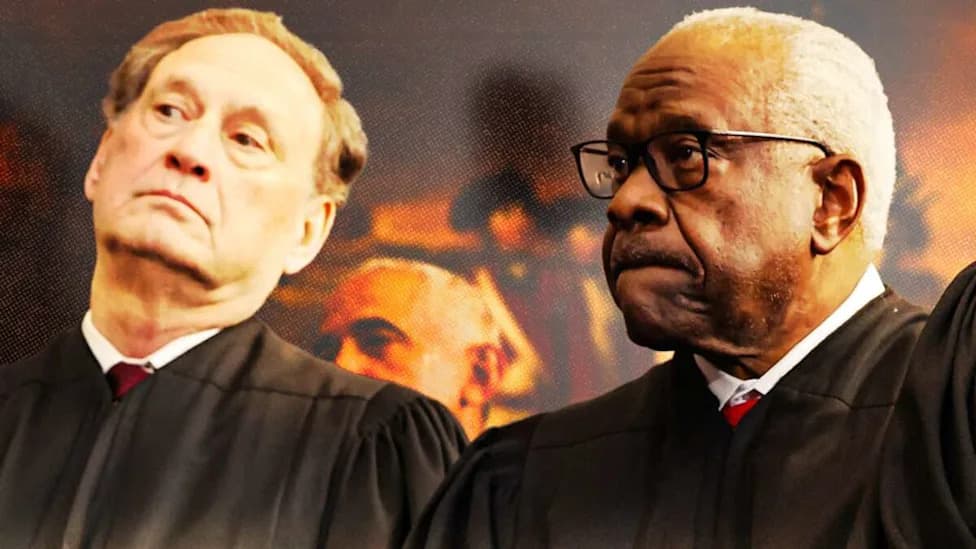
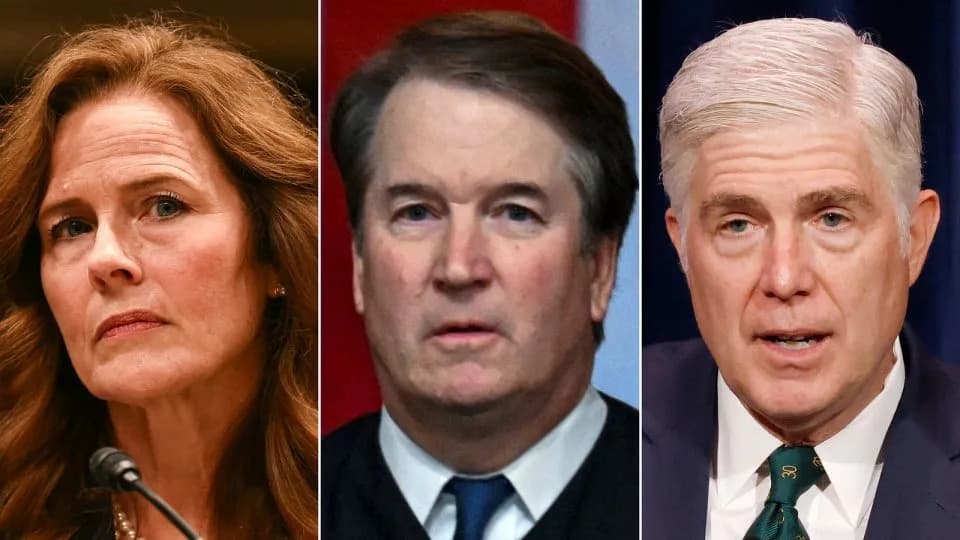
The conservative tilt of courts seeded by Trump appointees is already evident: his three Supreme Court picks helped create a 6-3 conservative majority that has issued landmark rulings narrowing abortion access and affirmative action, expanding certain gun rights, and backing Republican-led redistricting. Still, Trump-appointed judges do not always rule in step with the president; he publicly criticized his own Supreme Court appointees after they ruled against a U.S. Postal Service rule restricting mail-in ballots.
Partisan Concerns And The White House Response
Senate Democrats have criticized many second-term nominees as reflecting an emphasis on loyalty. During Judiciary Committee hearings, several nominees avoided directly stating that Trump lost the 2020 election, instead noting that Joseph Biden was "certified" the victor.
The White House counters that nominees were chosen for their qualifications. "President Trump selects highly qualified and credentialed judicial nominees who have passed the White House's rigorous vetting process," spokeswoman Lauren Bis said. The administration also elevated several former personal attorneys to appellate nominations this term; three such nominees were confirmed, including Emil Bove on the 3rd U.S. Circuit Court of Appeals.
What Comes Next
The coming weeks will test the Senate’s appetite for rapid confirmations amid a contested political environment. Even if Republicans retain the Senate, experts say this may be one of the last major opportunities in this administration to reshape the courts, as the pool of vacancies and likely retirements appears to be shrinking.
"Supreme Court vacancy notwithstanding, I expect this to be the slowest two years for judicial nominations under Trump," said Robert Luther.
Help us improve.