President Trump transformed the Supreme Court by appointing three conservative justices, producing major rulings favored by conservatives. Still, on three high-profile issues — tariffs, birthright citizenship, and voting by mail — at least one of his appointees ruled against positions he favored. Justices Clarence Thomas and Samuel Alito consistently voted to expand executive power in those disputes, a contrast that helps explain Trump’s frustration and his talk of demanding loyalty from future nominees.
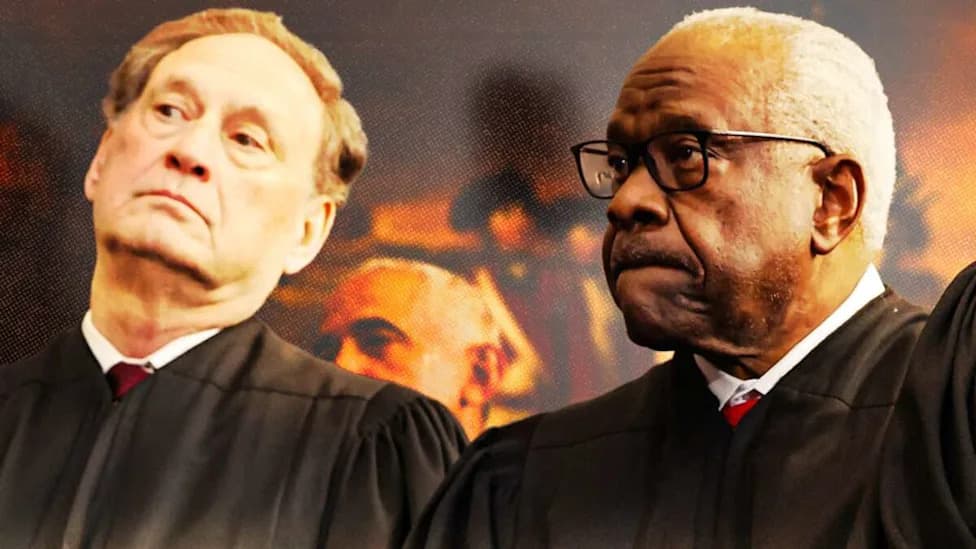
Why Thomas and Alito Have Been More Reliably Pro-Trump Than His Own Supreme Court Picks
CNP/AdMedia/Newscom
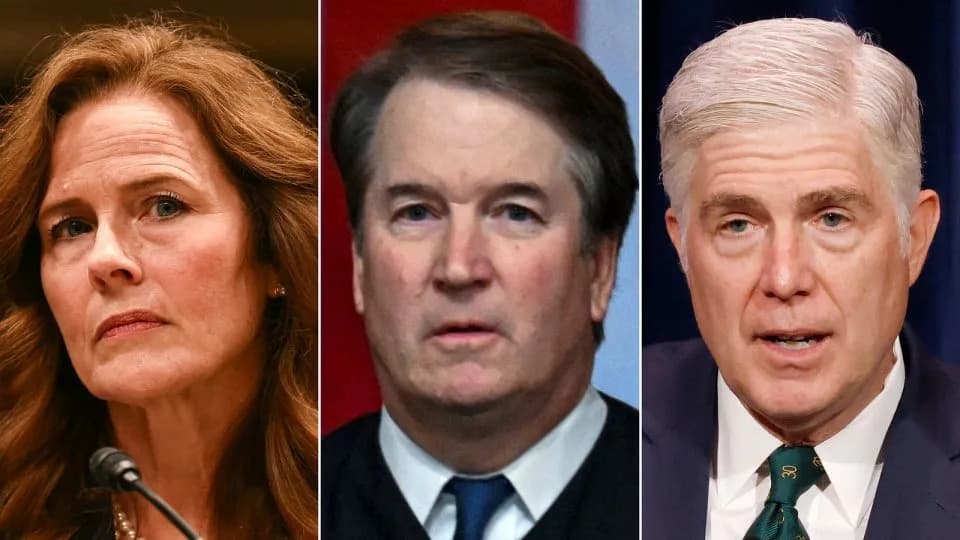
President Donald Trump remade the U.S. Supreme Court during his first term by appointing three conservative justices — Neil Gorsuch, Brett Kavanaugh, and Amy Coney Barrett — which helped produce major rulings favored by conservatives, including limits on the Voting Rights Act and the end of a federal constitutional right to abortion. Yet Trump has publicly criticized the very Court he helped to reshape.
“This Supreme Court is bullied and cajoled by the Radical Left,” Trump wrote on social media, adding that some decisions have “set America back at least a hundred years.”
Part of the president’s frustration is personal: on three issues he repeatedly emphasizes — tariffs, birthright citizenship, and voting by mail — at least one of his three appointees sided against the position he advocated in the relevant cases. That has prompted Trump to complain that Justices Gorsuch, Kavanaugh, and Barrett are not the jurists he expected.
Why Thomas and Alito Voted Differently
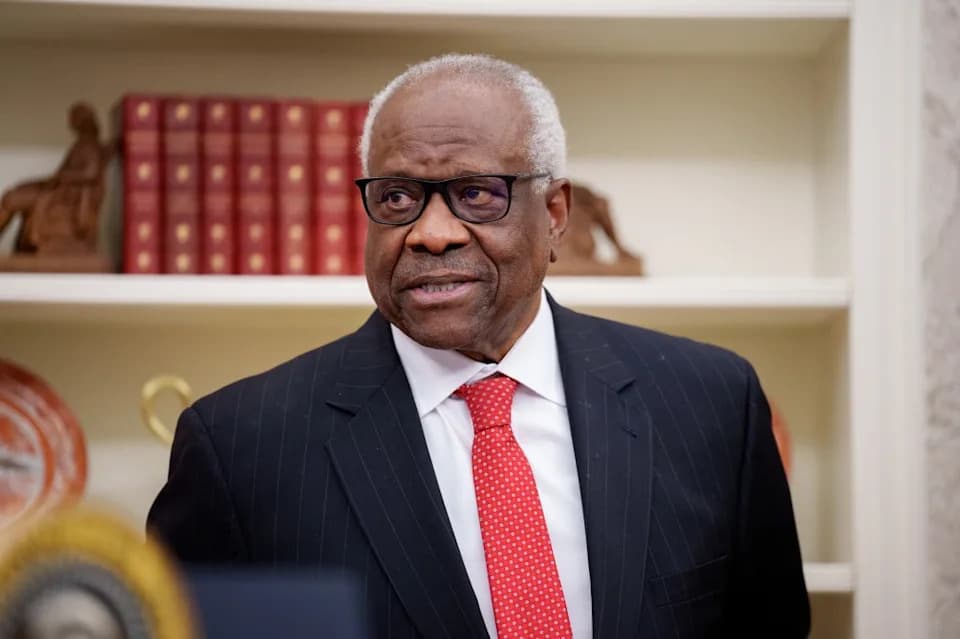
By contrast, two longer-serving conservative justices, Clarence Thomas and Samuel Alito, consistently sided with broader assertions of presidential authority in those same disputes. The pattern reflects a deeper jurisprudential divide: Thomas and Alito are among the Court’s most ardent defenders of expansive executive power, while Gorsuch, Kavanaugh, and Barrett have been more hesitant to endorse presidential actions that seem to displace powers allocated to Congress or the states.
In the tariffs matter, the question centered on whether the president could exercise authority that the Constitution assigns to Congress. On birthright citizenship, the legal dispute turned on whether an executive action could override the text and historical understanding of the Fourteenth Amendment. And in the voting-by-mail cases, the issue again involved whether executive-level interventions intruded on powers granted to states and to Congress. In each instance, Thomas and Alito endorsed a broad reading of executive power; Trump’s three appointees declined to go that far consistently.
The result is both legal and political. Legally, the split highlights differing philosophies about separation of powers and the proper scope of presidential authority. Politically, the pattern has fueled Trump’s dissatisfaction and prompted talk of future expectations he might impose on nominees — including informal or formal loyalty tests that would be difficult for many independent-minded jurists to accept.
Whether Trump will have another chance to shape the Court remains uncertain. But the recent rulings underscore that sharing a political or ideological label with a president does not guarantee unflagging deference to his policy preferences once a justice is on the bench.
Help us improve.