Donald Trump, 35 days from the midterms, used a White House appearance to highlight recent renovations—including a 100-foot helipad—while defending his record ahead of a contentious election. Despite citing economic gains, rising costs for housing, health care and gasoline and career-low poll numbers complicate his political standing. With 56 Time covers, Trump now holds the magazine's all-time record, a milestone he has publicly celebrated even as he admits he liked only 17 of his earlier covers.
Trump Tops TIME’s Cover List as Helipad, Poll Woes and an Ongoing Iran War Define Moment
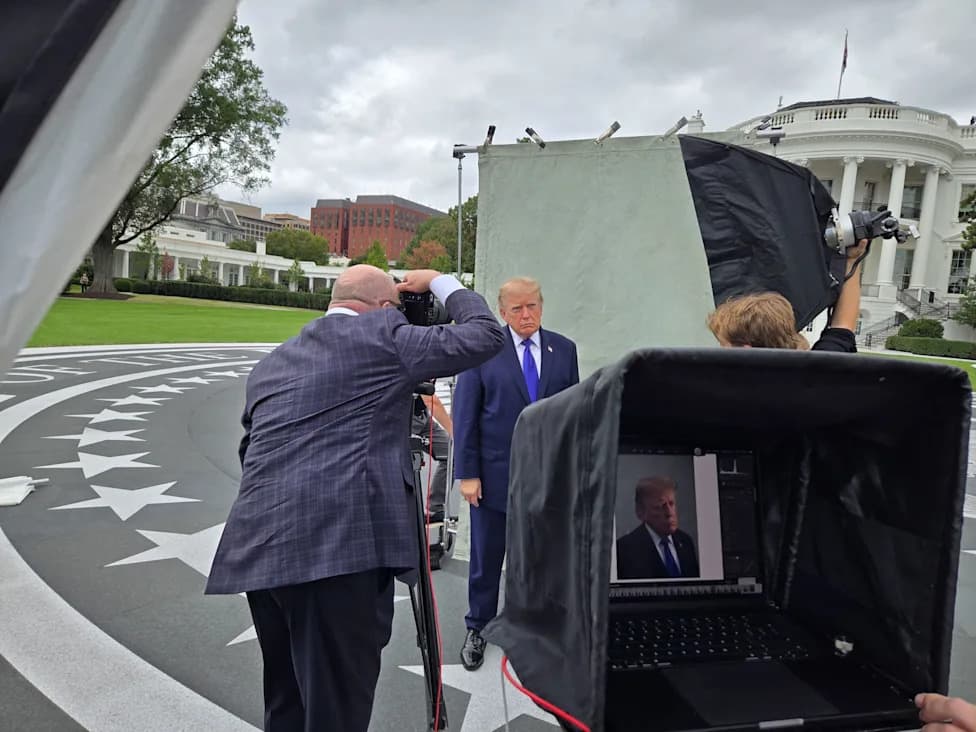
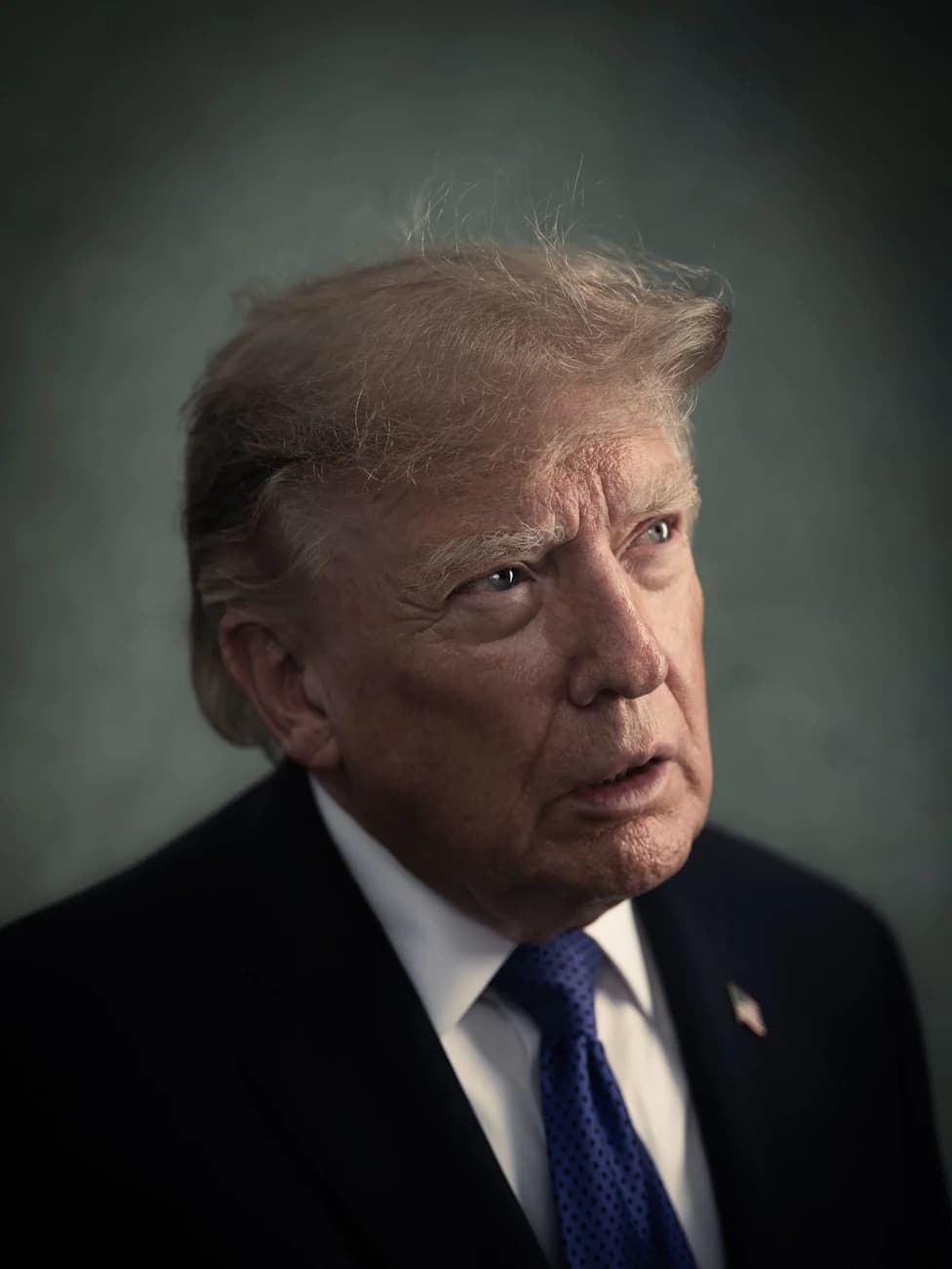
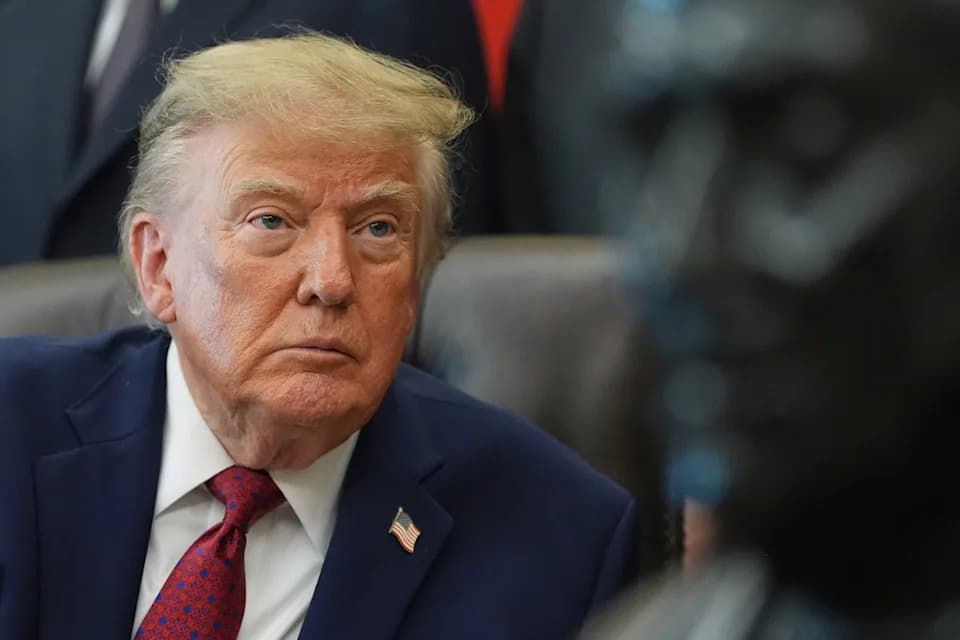
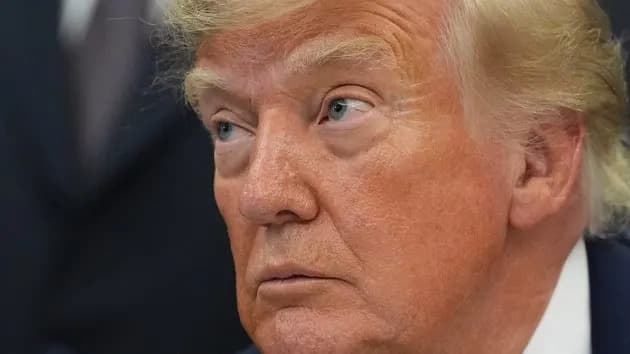
President Donald Trump being photographed by Dan Winters for TIME at the White House in Washington, D.C. on Sept. 28, 2026. —TIME
Thirty-five days before the midterm elections, President Donald Trump stood on the South Lawn and turned a conversation about the campaign into a reflection on renovation—describing what he called the sorry state of the White House before a recent wave of construction projects, including a newly built 100-foot-wide helipad.
Outside the Residence, he recounted stained walls, the dusty Rose Garden that he said required a new patio for visitors in high heels, and the muddy landing zone Marine One used to contend with before the helipad was added. "The happiest people were the pilots," he said. "They would land in the mud."
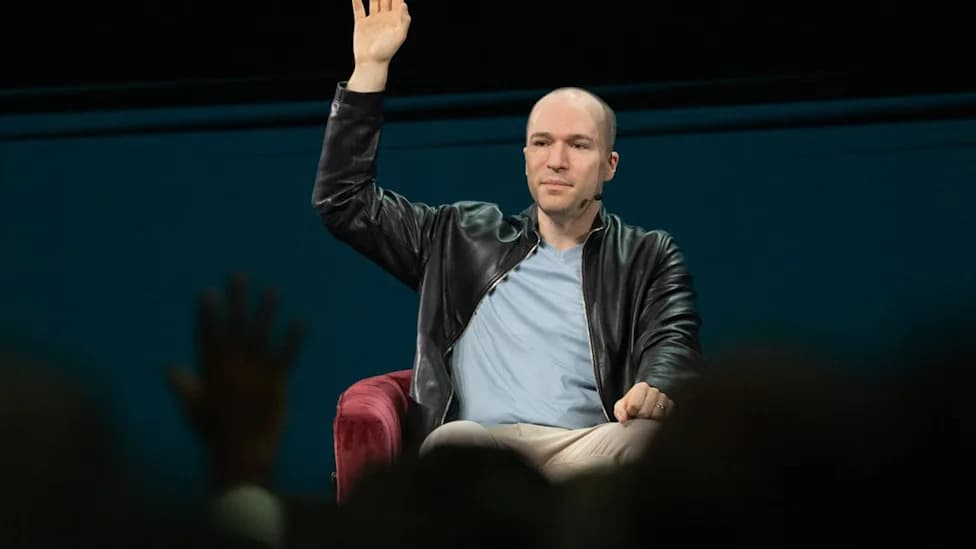
The day before, Trump had greeted Anthropic CEO Dario Amodei and his wife, Cami Clark, at the helipad and later hosted them for a late-night dinner. The visit capped a fast-paced week that included a U.N. General Assembly speech, a White House state visit by Chinese President Xi Jinping, an Air Force One flyover at the Texas-Tennessee football game, a stop at the Presidents Cup outside Chicago, the announcement of a new steel mill in Iowa, and controversy over taxpayer-funded political advertisements.
Outside Successes, Inside Tensions
As the midterms approached, the President highlighted economic achievements—falling unemployment, economic growth, and a rebound in some oil exports tied to developments in the Middle East—alongside new business openings in Venezuela. Yet many indicators painted a more complicated picture: housing, health care, and gasoline costs were rising sharply, and several national polls showed Trump at career-low approval numbers (which he dismissed as "fake"). Democrats were energized by the possibility of retaking the House and perhaps the Senate.
On foreign policy, the Iran conflict had entered its seventh month on the day of the interview, despite repeated presidential assurances early on that the engagement would be short. Domestically, the White House also faced pushback after the administration moved to bar some reporters from covering the President at the White House and on campaign trips—an action news organizations, including Time, publicly protested.
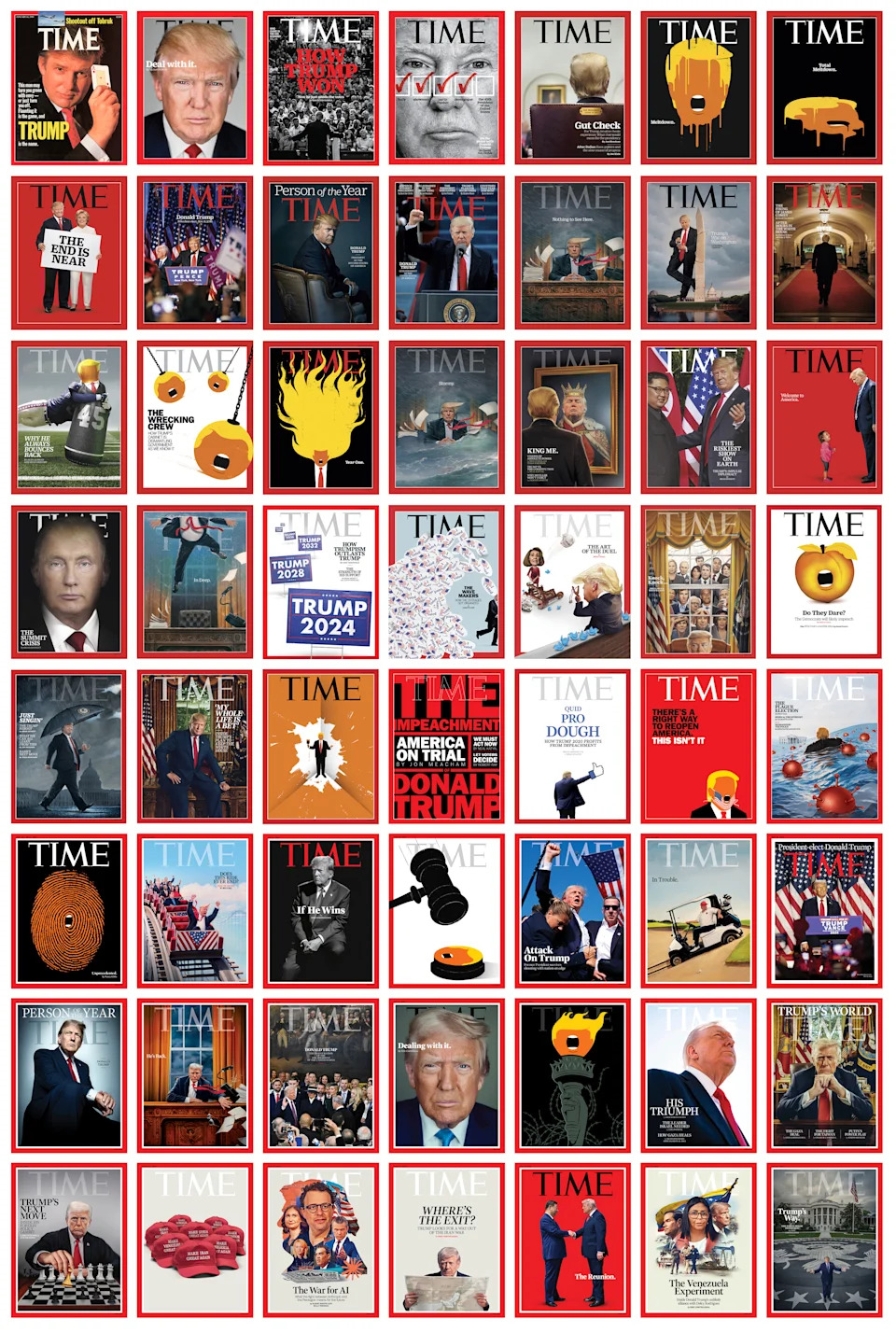
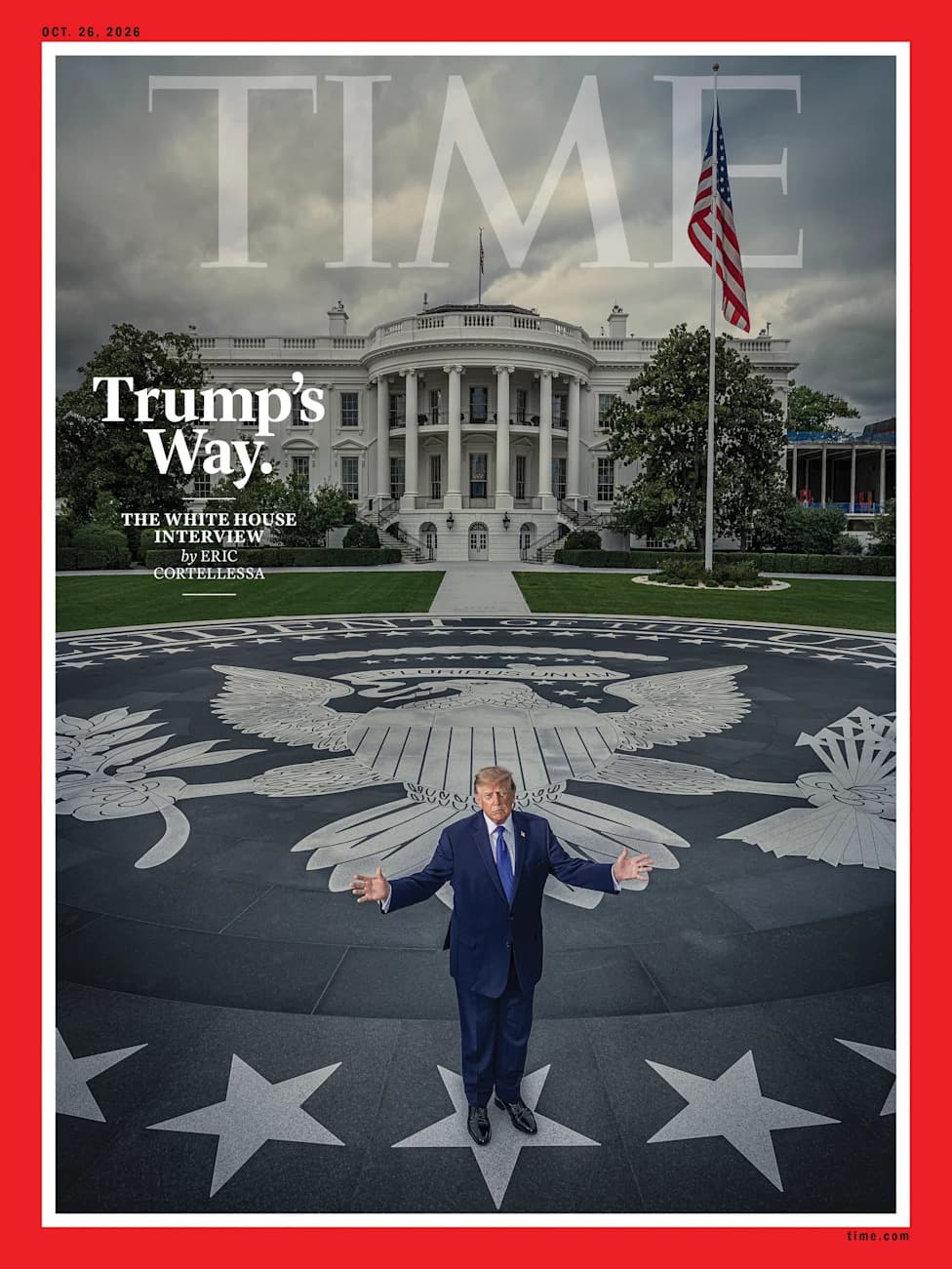
The 56 TIME covers featuring Donald Trump.
A Milestone On The Cover
This issue marks a milestone for both the magazine and the President: with 56 cover appearances, Trump has now been featured on Time's cover more often than any other individual, surpassing Richard Nixon's decades-old record set during the Watergate era. Trump first appeared on Time's cover in 1989 at the height of his public image as a symbol of conspicuous wealth; his line from that feature—"I have an absolute strategy, but it's an innate strategy and not definable"—still resonates with his public persona today. One of those early covers reportedly hangs above a urinal at Mar-a-Lago.
More than 20 different artists and photographers have shot Trump covers over the years; photographer Dan Winters took the portrait used for this helipad issue. At Time, a focus on leadership and influence has made Trump a constant subject since 2015: our covers have tracked his improbable 2016 campaign and victory, impeachments and legal battles, the Jan. 6 attacks and its fallout, his political comeback, and foreign-policy moves attributed to his leadership.
Trump has made little secret of his delight in frequent cover appearances. During a 2025 trip to Israel he was presented with a framed compilation of his prior Time covers and told aides, "Wow, I love it. I want to make sure it comes back with us." On his first day in office he boasted to national-security officials about the frequency of his Time covers and, this week, told our reporters that of his previous 55 covers he liked only 17.
Legacy By Renovation
Whether through policy or physical projects, Trump has been intent on leaving a clear imprint on the presidency. That drive helps explain the spate of renovations and new construction across the White House complex and other federal sites—work he describes as restorative and even relaxing. "If he cannot control the events of the world, he can control what happens in his own backyard," an observer noted.
When a Secret Service adviser proposed tearing down the Oval Office and rebuilding it, the President reportedly replied, "My ass, you can't build a new one. This is a special place."
Asked whether he considered himself a better builder or a better politician, he demurred. As we departed, he reiterated his assessment of the transformation: "This whole place was a disgusting mess, and now it's perfect." In keeping with our commitment to transparency, Time published a full transcript of the interview and a fact-check of the President's remarks on Time.com.
Help us improve.