South Korea has demanded an official apology after President Volodymyr Zelensky publicly revealed that Ukraine transferred two North Korean prisoners of war to Seoul, despite an alleged confidentiality agreement. Seoul says the disclosure breached trust and has asked for a formal explanation, while Kyiv's aides argue the transfer was a public fact. Analysts warn the row could complicate Ukraine's requests for military supplies from South Korea and may risk a backlash from North Korea. President Lee Jae Myung, who has pursued a lower-key approach to the North since June 2025, expressed disappointment at the disclosure.
Seoul Demands Apology After Kyiv Publicises Transfer Of Two North Korean POWs, Citing Breach Of Confidentiality
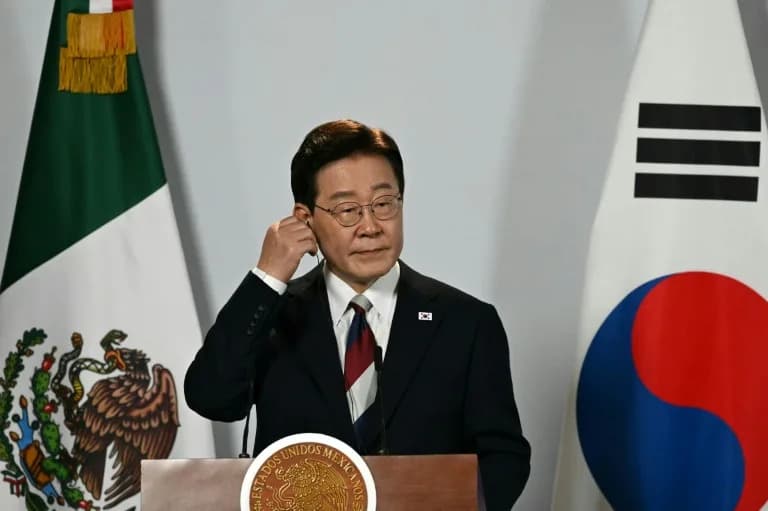
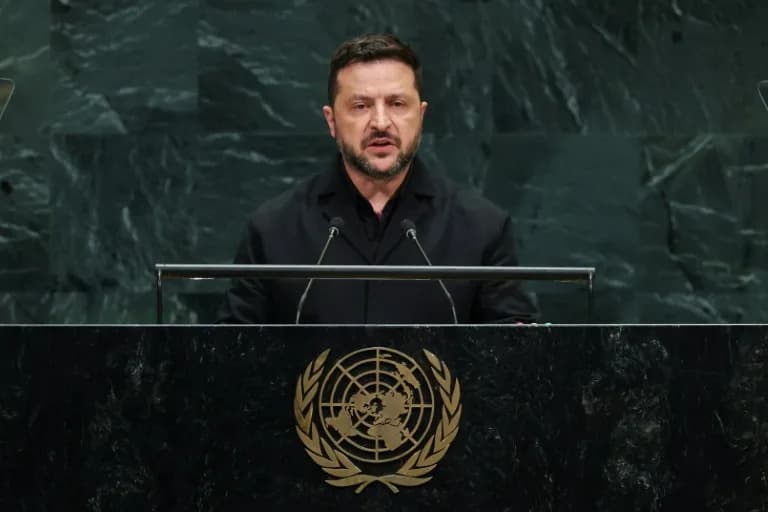
Ukrainian President Volodymyr Zelensky's disclosure last week that his country had sent two North Korean soldiers to the South, adding they were "not easy to capture alive", has sparked a row in Seoul (Yuri CORTEZ)
South Korea's presidential office has publicly demanded an official apology from Ukraine after President Volodymyr Zelensky disclosed that Kyiv transferred two North Korean prisoners of war to Seoul, despite what Seoul says was an agreement to keep the handover confidential.
The dispute began when Mr Zelensky revealed last week that Ukraine had handed the two soldiers to South Korea, adding that the pair were "not easy to capture alive." Hours later, South Korea's President Lee Jae Myung criticised the disclosure on X, calling it "very disappointing" and saying he did not understand why Ukraine had broken the agreement.
Zelensky's aide Dmytro Lytvyn sought to downplay the fallout, saying the president had only confirmed that the soldiers were handed to South Korea and arguing that "Ukraine is an 'open country'" where such transfers would normally not be secret. Seoul, however, described the announcement as a unilateral breach of trust.
South Korea's response
Seong Ghi-hong, senior presidential secretary for public relations, said Seoul was "considering additional measures that may be necessary regarding this matter." He called the disclosure "a very serious matter" that violated a confidentiality agreement and accused the Ukrainian presidential press office of falsely claiming no such agreement existed. "This seriously undermines trust between the two governments and gravely damages friendly relations between the two countries," Seong said, demanding "an official explanation and apology."
Who the prisoners are
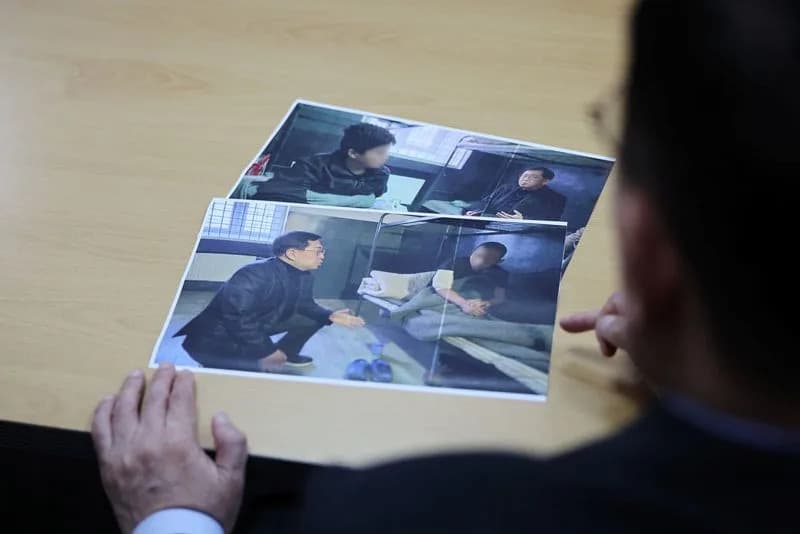
Ukraine captured the two North Korean soldiers early last year while they were serving among Pyongyang's forces fighting alongside Russian troops. One of the men told officials he had served in a reconnaissance unit and had been conscripted at 17. A South Korean lawmaker said the pair had expressed a desire to live a "normal life" in the South.
Security and diplomatic ramifications
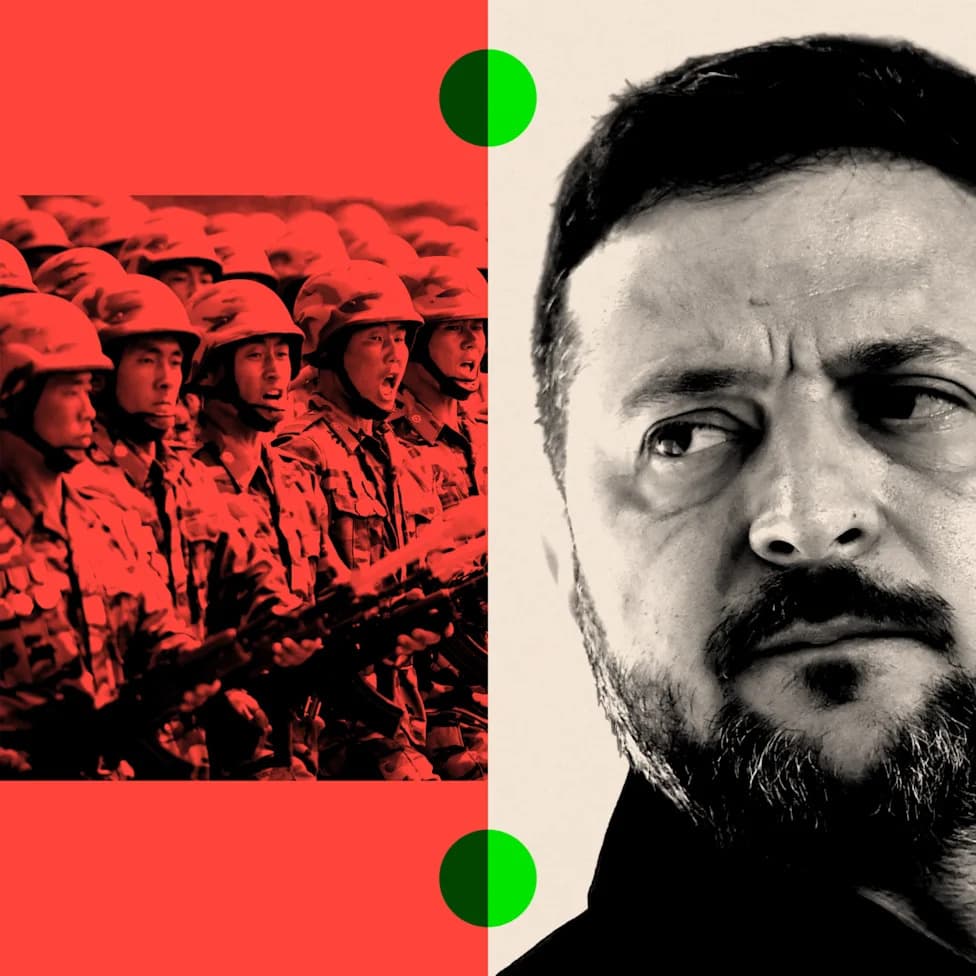
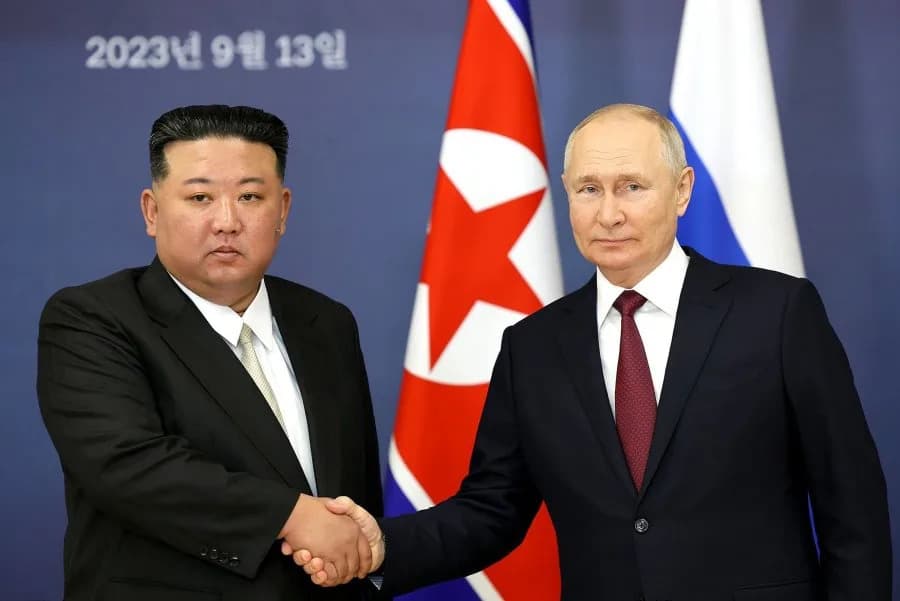
Analysts in Seoul warned the disclosure risks stoking Pyongyang's hostility toward South Korea and could complicate Kyiv's efforts to obtain military aid. Since taking office in June 2025, President Lee has shifted to a lower-key approach toward North Korea compared with his predecessor, offering talks without preconditions — a posture experts say makes Seoul particularly sensitive to any actions that could inflame the North.
Lim Eul-chul, a professor at Kyungnam University, told AFP that the incident "has dealt a significant blow to the relationship of trust between South Korea and Ukraine," and that Seoul is likely to take a more cautious stance on future requests for either lethal or non-lethal military supplies. South Korea has so far not provided lethal weapons to Ukraine, citing a domestic ban on military aid to countries at war, though it has been evaluating requests for defensive equipment, especially after North Korea deployed troops in support of Russia.
Looking ahead
The spat exposes the delicate balance Seoul seeks to maintain: supporting Ukraine diplomatically while managing direct security risks from North Korea and preserving trust with international partners. For now, South Korea has demanded an explanation and apology; how Kyiv responds may influence not only bilateral ties but also Kyiv's ability to secure further support from Seoul.
"It is in itself a very serious matter that the Ukrainian side violated the confidentiality agreement... This seriously undermines trust between the two governments and gravely damages friendly relations between the two countries," — Seong Ghi-hong, Senior Presidential Secretary for Public Relations.
Help us improve.