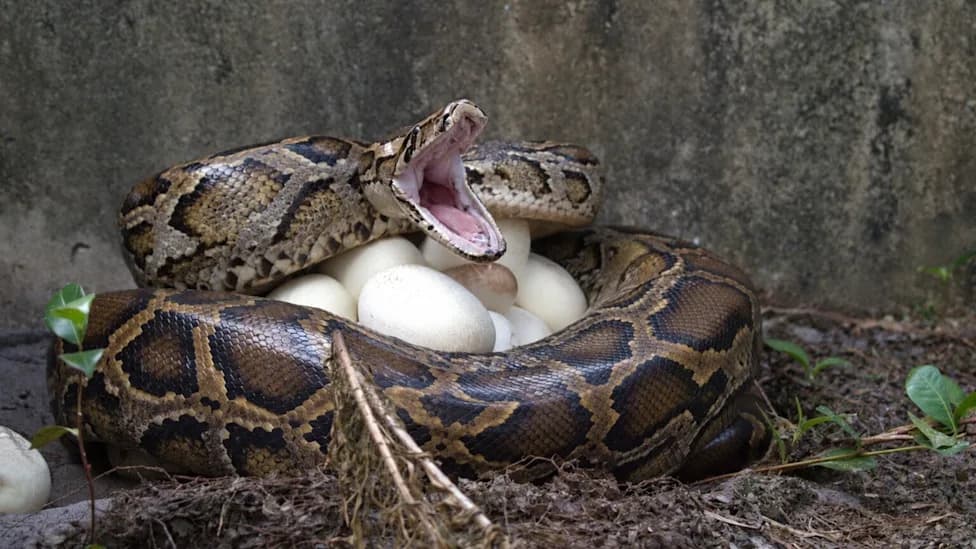
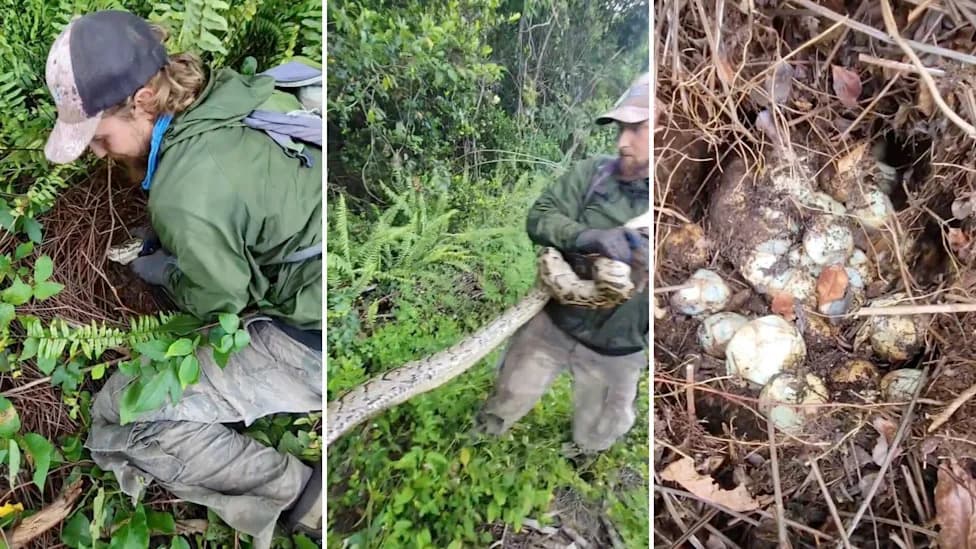
Conservation teams removed 8,080 pounds (177 Burmese pythons) from a 200-square-mile area of Collier County between November and April. Using radio telemetry on 40 male "scout" snakes, researchers located and removed mainly gravid females, which averaged 95 pounds and can carry roughly 70 eggs. That targeted work is estimated to have prevented about 4,100 potential hatchlings, reducing future pressure on native Everglades wildlife.
8,080 Pounds of Pythons Removed From the Everglades — Targeting Pregnant Females Stopped an Estimated 4,100 Hatchlings
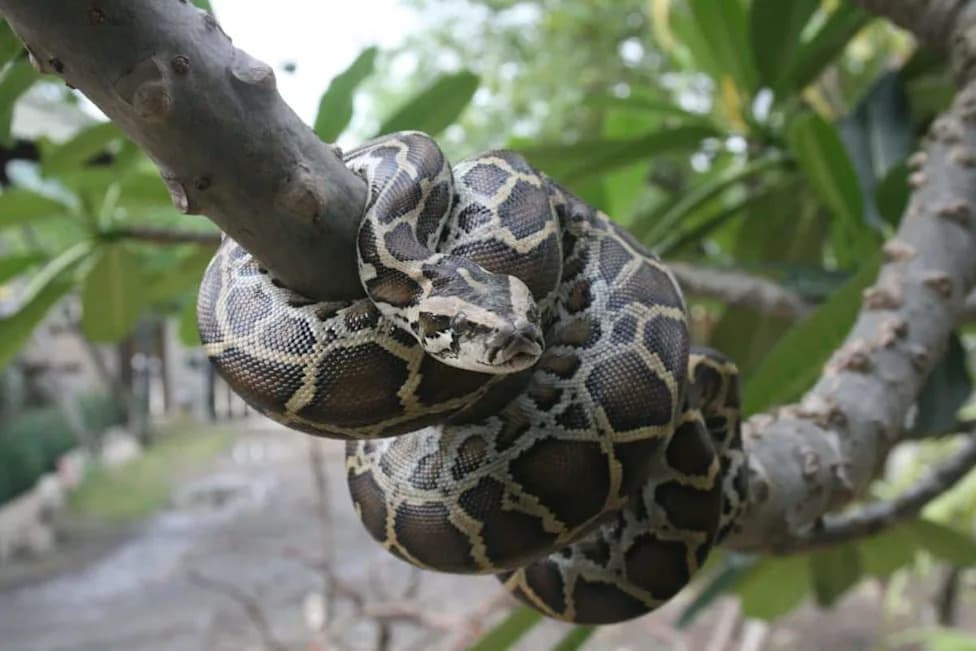
8,080 Pounds of Pythons Pulled From the Everglades, and They Weren't Just Any Snakes© Lunatic_67/ via Canva.com
This spring, conservation teams hauled 8,080 pounds of Burmese pythons — 177 snakes in total — out of a roughly 200-square-mile stretch of Collier County, about 90 miles west of Miami. The Conservancy of Southwest Florida described the haul as its most successful single-season removal to date, and the effort was notable not just for its size but for its strategic focus on disrupting reproduction.
Precision Tactics: Following Males to Find Pregnant Females
Led by wildlife biologist Ian Bartoszek and colleagues, teams used radio telemetry in an innovative way: they fitted tiny transmitters to 40 male "scout" pythons, released them, and tracked the males during the mating season to locate large, fertile females. Concentrating searches this way helped crews find gravid females more efficiently than random searching.
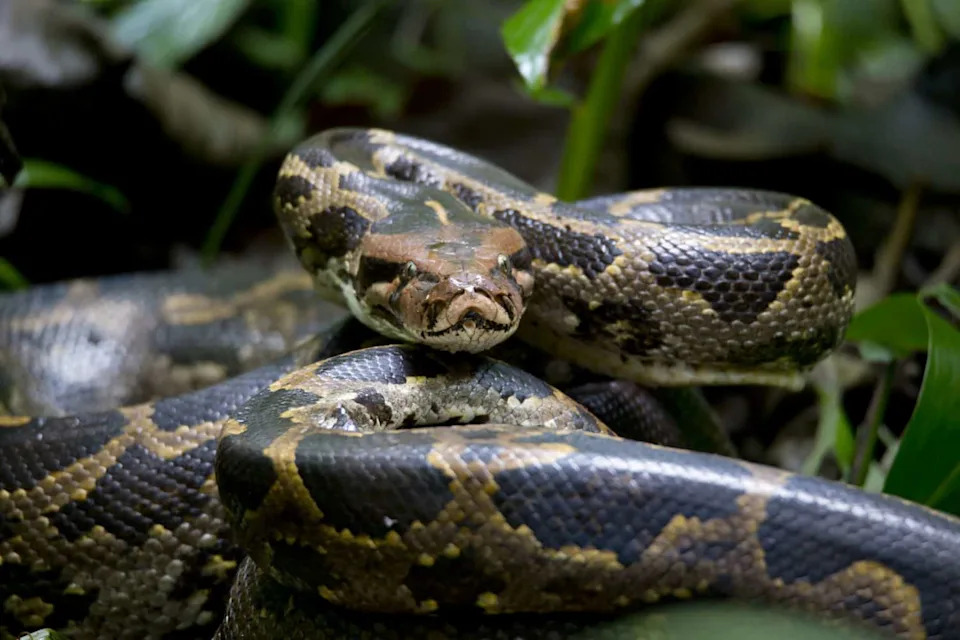
©Girish HC/Shutterstock.com
Why Target Gravid Females?
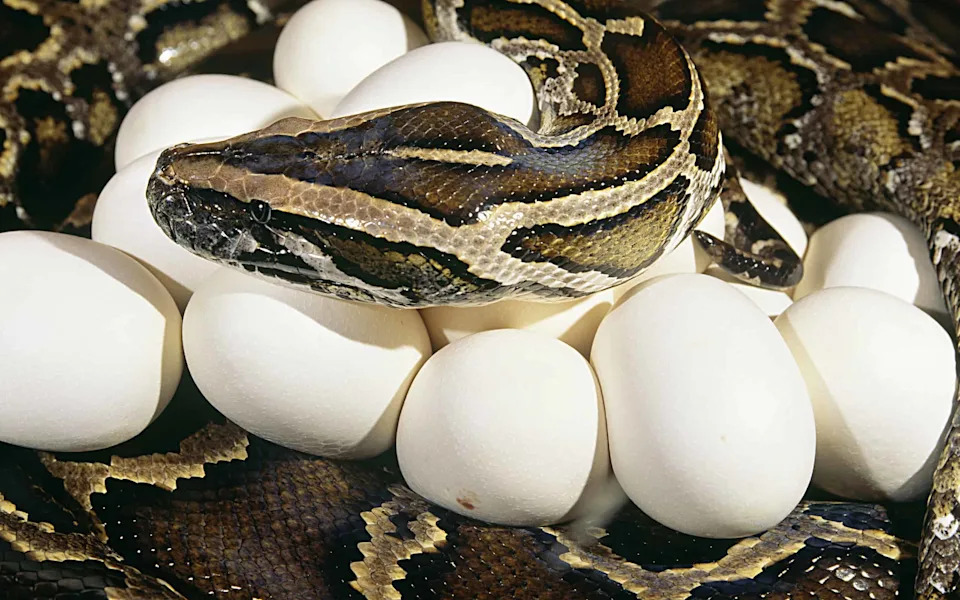
Pregnant (gravid) Burmese pythons can carry large clutches — roughly 70 eggs on average. The females removed in this campaign averaged about 95 pounds; the largest captured weighed 153 pounds and measured about 17 feet long. By removing those females and their eggs, teams estimate they prevented the potential emergence of approximately 4,100 hatchlings from the surveyed area.
Ecological Context and Impact
Burmese pythons have been established in southern Florida since the 1970s, most likely due to releases of former pets. Florida's subtropical climate closely matches the snakes' native range in Southeast Asia, allowing rapid population expansion with few natural predators. Current population estimates for southern Florida range from 100,000 to 300,000 individuals, making pythons a major invasive predator that reshapes food webs and threatens native wildlife.
©Paul Tessier/Shutterstock.com
Stomach and gut analyses of captured snakes reinforce the ecological consequences: about one-quarter of the females removed during this campaign contained remains of white-tailed deer, an important prey species for endangered Florida panthers. Removing reproductively active females therefore has both immediate and long-term conservation benefits.
Looking Ahead
The Conservancy's season-long push precedes the statewide Florida Python Challenge, an annual event that mobilizes volunteers and citizen hunters. Organizers and volunteers may adopt telemetry-informed strategies, but matching the concentrated, targeted effort of this campaign will be a challenge. Still, each removed python — and especially each removed gravid female — is a meaningful step toward reducing invasive pressure on the Everglades.
Bottom line: The combination of careful field strategy and rapid removal yielded record seasonal results and—critically—removed the reproductive potential of thousands of future snakes.
Help us improve.