Ohio's tight Senate race has pivoted on data centers: Democrats blocked Republican Jon Husted's Ratepayer Protection Act in the state Senate, elevating concerns about utility costs, environmental impacts and local control. Sherrod Brown has made skepticism of large tech-backed projects a campaign theme, while Husted argues his bill protects ratepayers. Polls show strong local opposition to data centers and a close contest between the candidates, making Ohio a key battleground for control of the U.S. Senate.
Data Centers Become Flashpoint in Tight Ohio Senate Race After Democrats Block Husted’s Bill
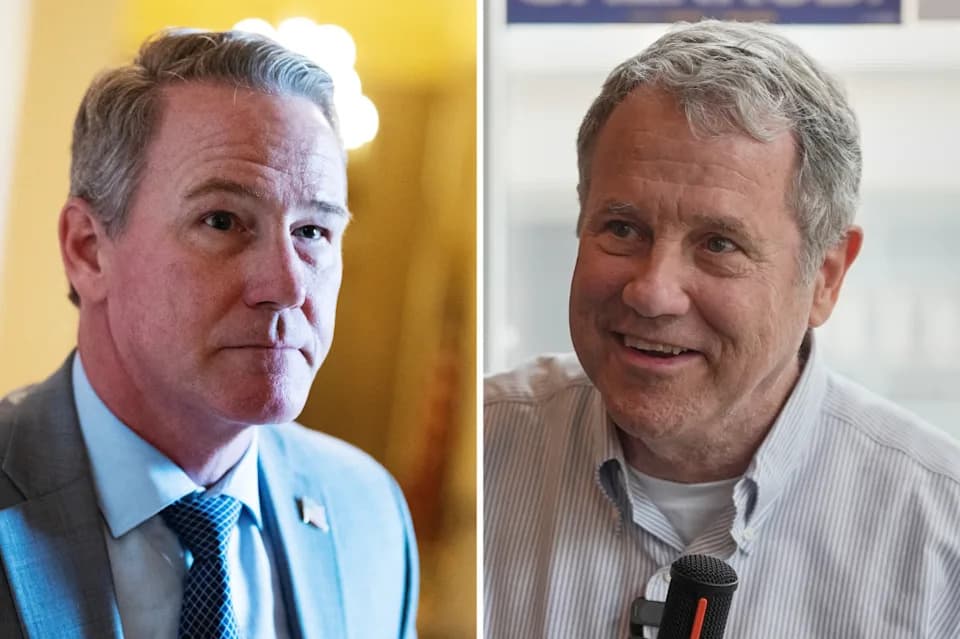
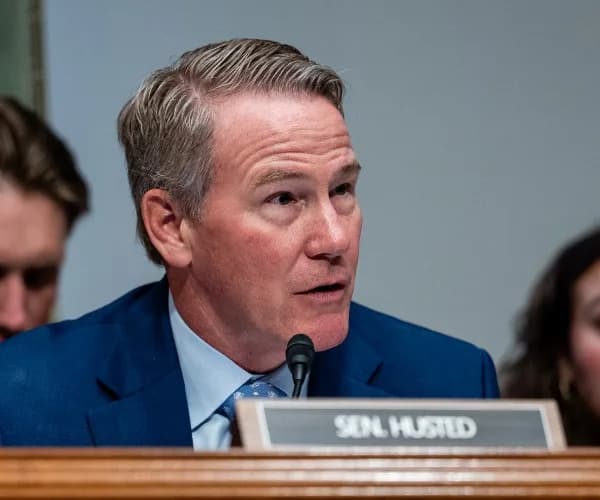
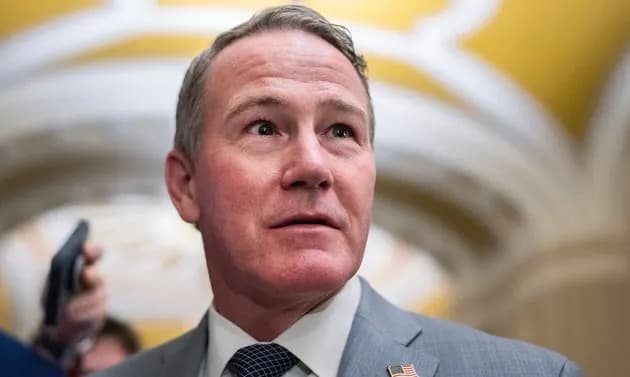
Senator Jon Husted, an Ohio Republican, leaves a Senate luncheon in Washington, D.C. on June 23, 2026. Former Ohio Senator Sherrod Brown speaks during a campaign event in Akron, Ohio on July 16, 2026.
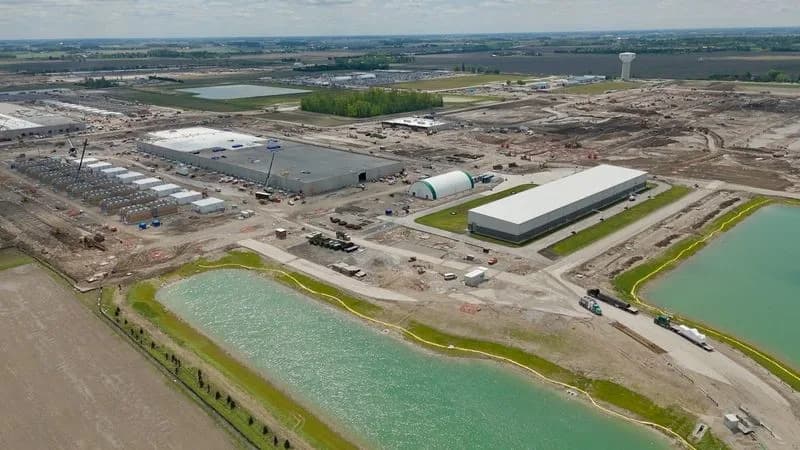
Data centers have become a central point of contention in the closely watched Ohio Senate race between Republican appointee Jon Husted and Democrat Sherrod Brown after Senate Democrats blocked Husted’s Ratepayer Protection Act from advancing.
Once a swing state that has trended right in recent years, Ohio is a pivotal battleground in the 2026 midterms. Polling shows a tight contest between Husted and Brown, and both campaigns are using the debate over data centers to appeal to voters ahead of the November 3 election.
What Husted Proposed
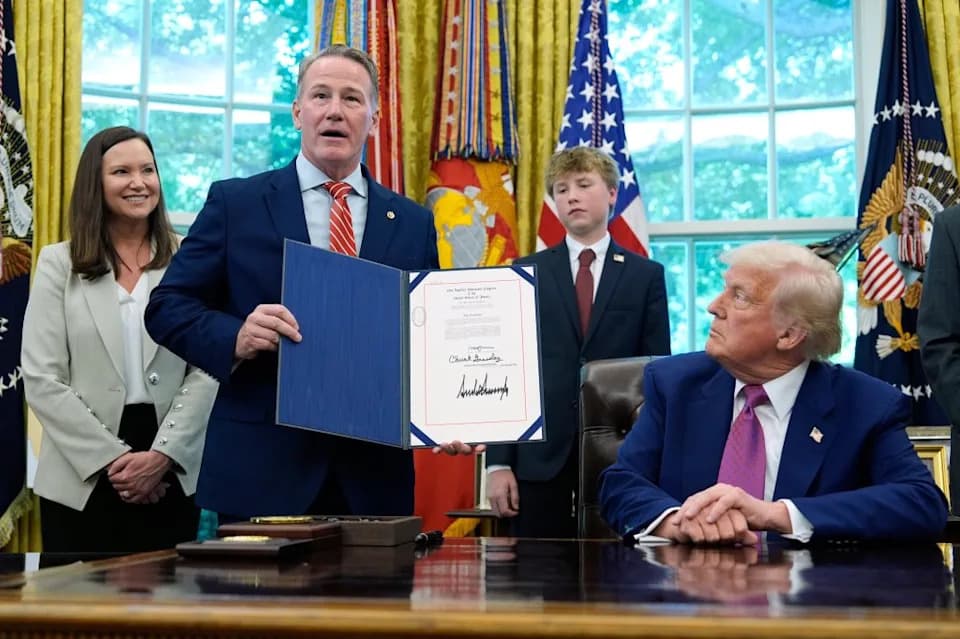
Husted, who was appointed by Governor Mike DeWine to fill the seat vacated by Vice President JD Vance, pushed the Ratepayer Protection Act this week. The bill, which passed the Ohio House with bipartisan support, would require state consideration of standards for when large electricity users — including data centers — connect to the grid, an effort framed as protecting consumers from rising utility costs. The measure failed to overcome the 60-vote threshold to break a filibuster in the Senate.
How the Candidates Position Themselves
Jon Husted has emphasized the bill as consumer protection and has argued that digital demand is driving the need for data center capacity. He criticized Senate Democrats for blocking the bill, saying their opposition hurts working families, small businesses and farmers.
"So do Chuck Schumer and Senate Democrats really think every representative from Ohio, along with 99% of the House of Representatives, got it wrong? These partisan games are wrong for Ohio and wrong for our country—and they come at the expense of working families, small businesses, and farmers," Husted wrote on X after the vote.
Sherrod Brown has positioned himself as skeptical of rapid data center expansion and a defender of local control. His campaign argues data centers should pay the full costs of the utilities they use and opposes large, one-sided tax incentives for out-of-state corporations.
"Ohioans should get to decide if data centers are built in their communities and should never be forced to subsidize the electricity costs of big corporations," Brown campaign spokesperson Lauren Chou told Newsweek.
Public Opinion And Stakes
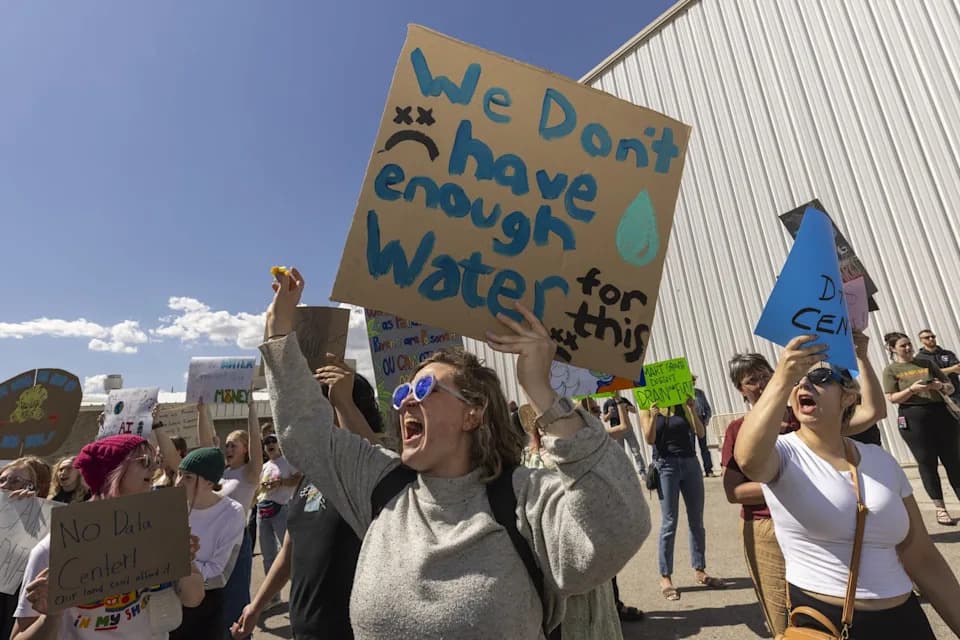
National and state polling show widespread skepticism about data center construction. A YouGov/The Economist national survey of 1,592 adults (Aug. 28–31) found only 20% said building data centers is good for the country. In Ohio, a Bowling Green State University poll of 1,000 likely voters (Sept. 1–10, MOE ±4) found 75% opposed a data center in their community and 63% opposed construction anywhere in Ohio; 78% supported a temporary ban until more research is done.
Recent polls of the Senate race show a close contest: an InsiderAdvantage poll (Sept. 28–29) had Brown up 44% to 43% (±2.83), a Suffolk University poll (Sept. 23–27) showed Brown ahead 47% to 44% (±4.4), and a Marist University poll (Sept. 24–27) put Brown up 51% to 43% (±3.8). National forecasters such as the Cook Political Report and Sabato's Crystal Ball list the race as a pure toss-up.
Arguments From Both Sides
Supporters of data center development argue these facilities bring jobs — including union positions — investment and long-term economic benefits tied to artificial intelligence and digital infrastructure. Opponents highlight environmental concerns (including heavy water use), higher local electricity bills, noise and other community impacts.
Environmental groups such as Food & Water Watch have criticized Husted's bill and oppose rapid data center expansion, calling some pro-development measures misleadingly named.
Why This Matters
The Ohio Senate race is one of a handful that could determine control of the U.S. Senate. Republicans currently hold a 53–47 majority. Democrats must flip four seats to win a majority outright; winning Ohio would materially improve Democrats' path to taking control of the chamber.
As the campaign heads into the final stretch, the data center debate gives both candidates a tangible issue to connect with voters on economic and environmental concerns — and may sway voters in closely divided communities across the state.
Reporting credits: Newsweek reporters and editors used Martyn, the Newsweek AI assistant, to produce the story. Newsweek reached out to Husted's campaign for comment. Contact: Jason Lemon and Gray R. Thomas.
Help us improve.