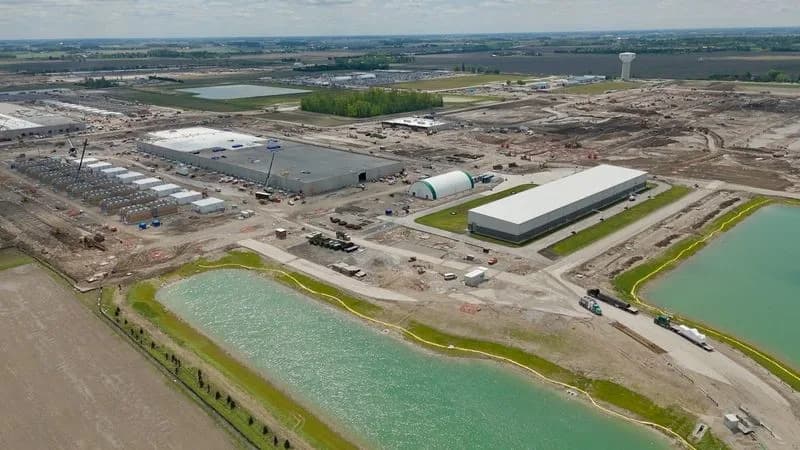
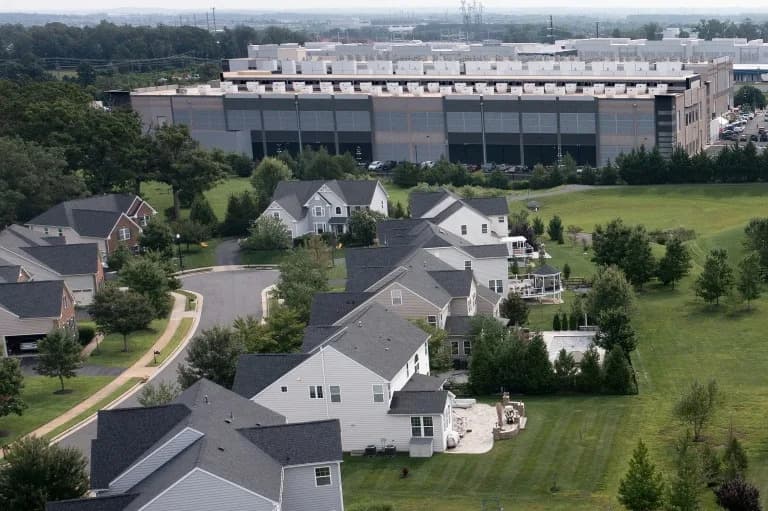
Sherrod Brown has pivoted to aggressive anti–data-center messaging in his Ohio Senate comeback, blaming GOP rival Jon Husted for rising costs tied to sprawling AI-ready facilities. The shift has frustrated many construction-trade unions that say data centers delivered a fivefold increase in work hours for members — but most unions still publicly back Brown because of his long record on labor issues. The debate centers on competing priorities: job creation and local economic benefits versus concerns over higher utility bills, tax incentives and community control.
Sherrod Brown’s Anti–Data-Center Turn Strains Longtime Union Allies
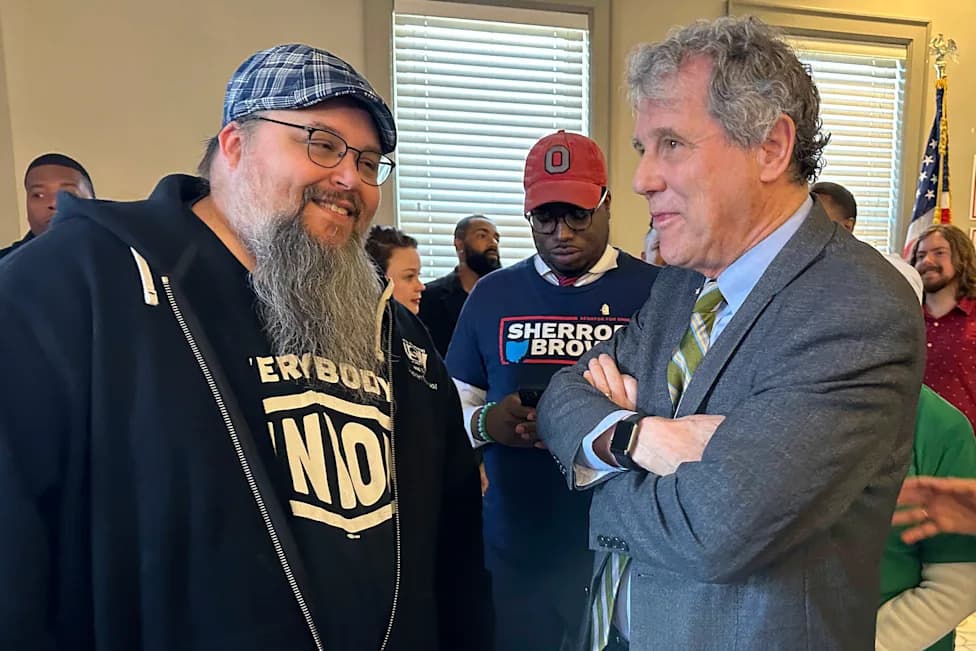
Sherrod Brown — an Ohio Democrat with a decades-long record of pro-union advocacy — has sharply shifted his message on data centers during his Senate comeback bid, drawing praise from some voters but frustration from many construction-trade unions that view the facilities as major sources of work.
Political Pivot Meets Labor Unease
Brown has run multiple ads blaming Republican nominee Sen. Jon Husted for the rise of sprawling AI-focused data centers in Ohio, arguing that the facilities burden residents with higher electric bills and generous tax subsidies for out-of-state corporations. That tougher tone reflects a broader political calculation: polling and grassroots pushback show data centers have become an increasingly unpopular issue with some voters.
But the pivot has unsettled labor leaders in building trades who say the boom has been a lifeline for members. "Was I tickled to death when I saw some of his commercials? Absolutely not," said Dorsey Hager, executive secretary-treasurer of the Columbus/Central Ohio Building and Construction Trades Council, which has endorsed Brown. Hager said his union’s members regularly call and message asking whether campaign ads were vetted with labor leaders.
Why Unions Are Worried
For many construction unions, data centers have translated into real, measurable gains: electricians, pipefitters, plumbers, sheet-metal workers and insulators have seen tens of thousands of jobs and big jumps in work hours. Hager said annual working hours for his council rose from about 4 million in 2014 to roughly 20 million this year — a fivefold increase tied in large part to data-center construction.
"At the end of the day, we're a building trades local. We build things. If we're not building things, our guys don't make money and the economy isn't growing," said Brett McElfresh, business manager at Plumbers and Pipefitters Local 94 in Canton.
Both Candidates Once Welcomed Projects
Historically, both Brown and Husted supported attracting data-center investment to Ohio. Brown celebrated a 2015 data-center opening in Licking County and helped secure a $2.8 million federal grant in 2010 for a Dayton research center working on data-center cooling technologies, according to reporting cited by the campaign. Husted, who served as lieutenant governor from 2019 to 2025, defended state tax breaks awarded to companies building the facilities.
Today the candidates largely share policy goals on paper — both say tech companies should pay for the massive power these facilities consume and that local communities should have a decisive voice over siting — but they trade blame over who enabled the boom.
Ad War, Legislation And Labor Calculations
Ad-tracking firm AdImpact reports Brown’s campaign has released eight ads attacking data centers; Husted has not aired ads on the issue, the firm says. Husted has sponsored legislation to require data centers to cover their own power costs. That bill passed the Ohio House overwhelmingly but has been stalled by Senate Democrats.
Republican operatives have privately acknowledged the political risk: an internal National Republican Senatorial Committee memo described the data-center issue as an "anchor hanging around Husted's neck," while noting that Brown’s messaging has been especially effective at introducing new, voter-relevant details.
Why Labor Still Largely Sticks With Brown
Union leaders backing Brown point to his long record on labor priorities — opposing limits on public-employee bargaining, fighting rollbacks to Davis-Bacon protections, securing federal infrastructure funds and supporting Senate staff organizing. That history, leaders say, outweighs objections to campaign messaging.
"We may take umbrage with some of the messaging at times, but I think at the end of the day, Sherrod Brown's with us," Hager said.
For now, the relationship between Brown and labor remains intact in public: Brown recently attended an International Brotherhood of Electrical Workers job fair outside Columbus where unions were recruiting for data-center work. Austin Keyser, IBEW's international vice president for the 4th district, said the union is adding roughly 1,000 members a month largely because of demand from data-center construction.
Political Gamble
Brown’s aggressive anti–data-center messaging represents a calculated gamble that his decades-long labor ties will survive the strain. Whether that bet holds depends on how voters weigh local economic gains against concerns about energy costs, tax incentives and community impacts — and on whether unions decide long-term interests in jobs or short-term reactions to campaign rhetoric carry the day.
Help us improve.