Montgomery County voters are voicing frustration over rising living costs and political leadership as President Trump prepares to rally for two Republican candidates. A Marist poll of nearly 1,300 Ohio voters found 56% disapprove of Trump, and recent primary turnout trends have weakened GOP prospects. Key contests — Jon Husted vs. Sherrod Brown for Senate and Vivek Ramaswamy vs. Amy Acton for governor — remain competitive, with nearly 38% of Ohio voters registered as independents who could decide the outcomes.
‘Trump? I Think He’s A Disaster’: Montgomery County Voters Voice Frustration Ahead Of Presidential Rally
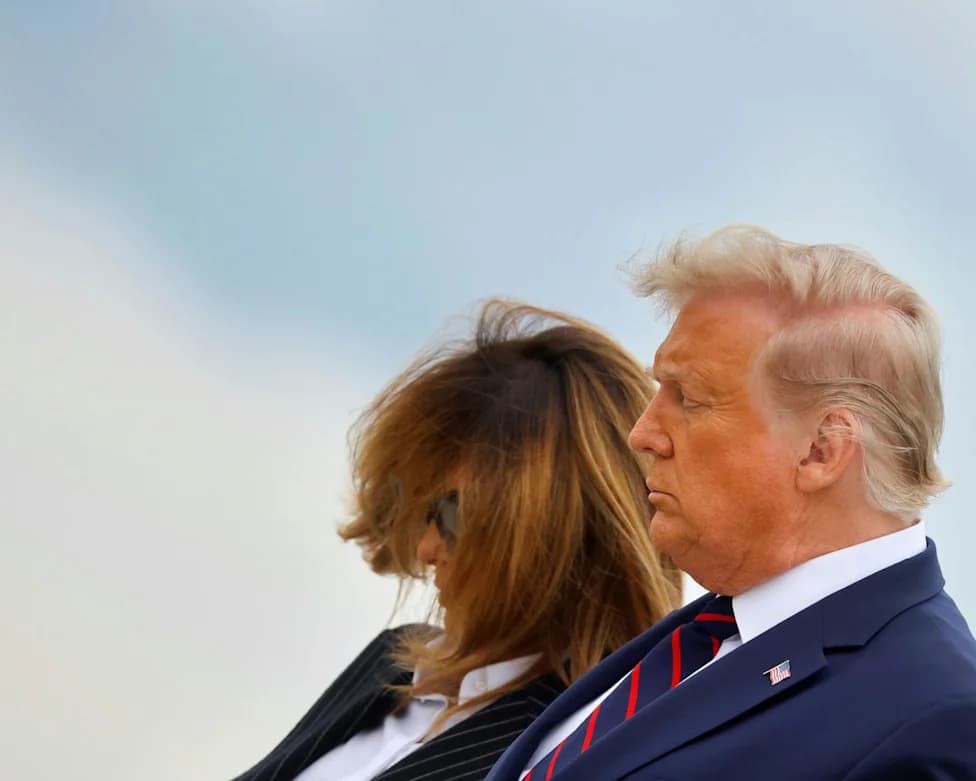
Donald and Melania Trump as the then president arrives for the first presidential debate against Joe Biden in Cleveland, Ohio, in September 2020.Photograph: Carlos Barría/Reuters
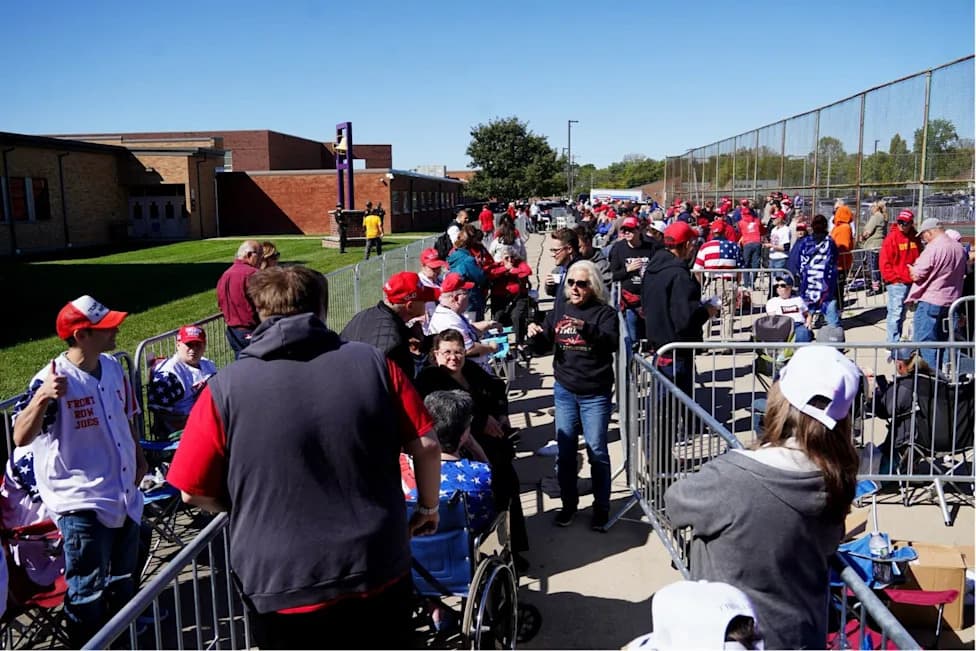
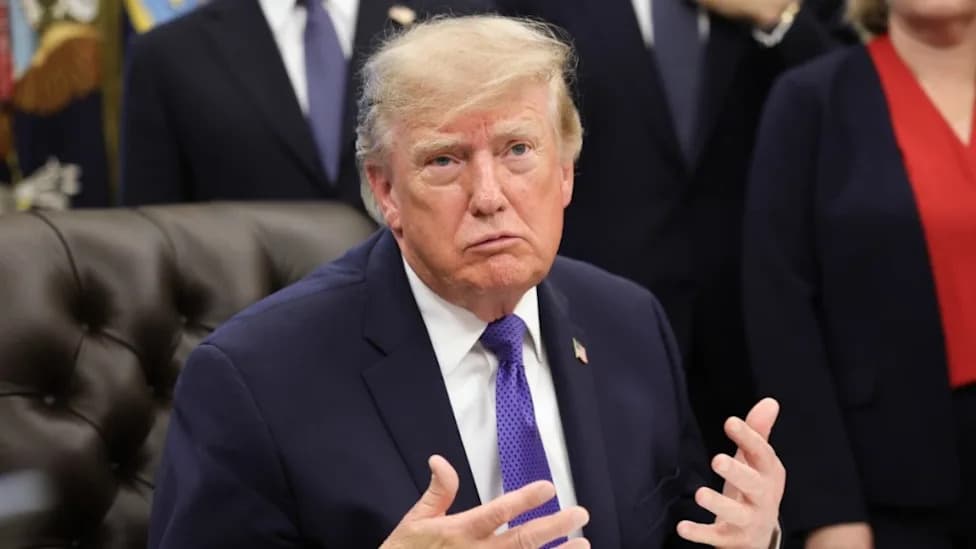
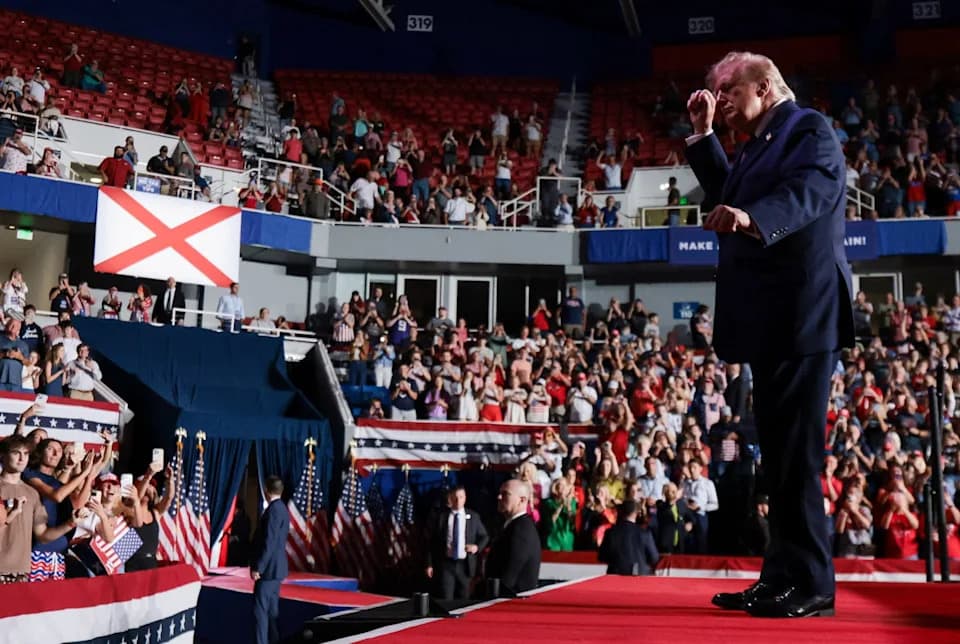
Montgomery County, Ohio — As President Donald Trump prepares to visit Montgomery County to rally for two high-profile Republican candidates, local voters express deep frustrations about rising costs, political leadership and national divisions.
Kelly Savage-Radich, who grew up in a Republican family and voted for Trump in 2016 and 2020, says the household budget is under strain: higher fuel prices could force her to sell a car, and her grocery bill has risen by roughly $100 a week. She directly blames the Trump administration and said bluntly, "He wants his name on everything. I'm sorry, but I don't give a shit whose name is on the Kennedy Center."
"The shooting of an American citizen dead in the street, and no one was held accountable? I have two daughters, and I'm trying to teach them all the freedoms this country has, but it feels like our freedoms are being taken," she added, referencing the killing of Renee Good in Minneapolis.
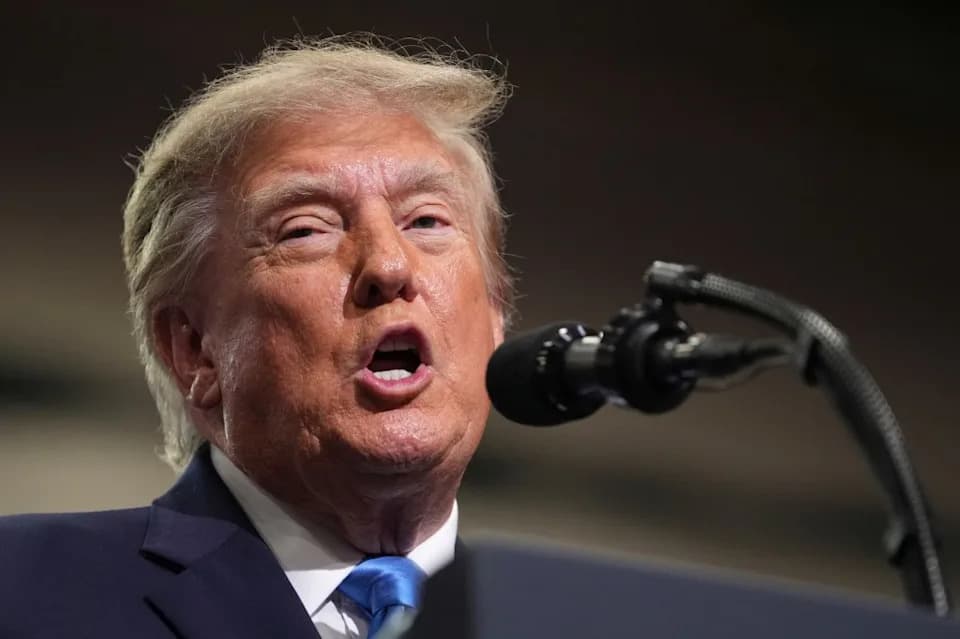
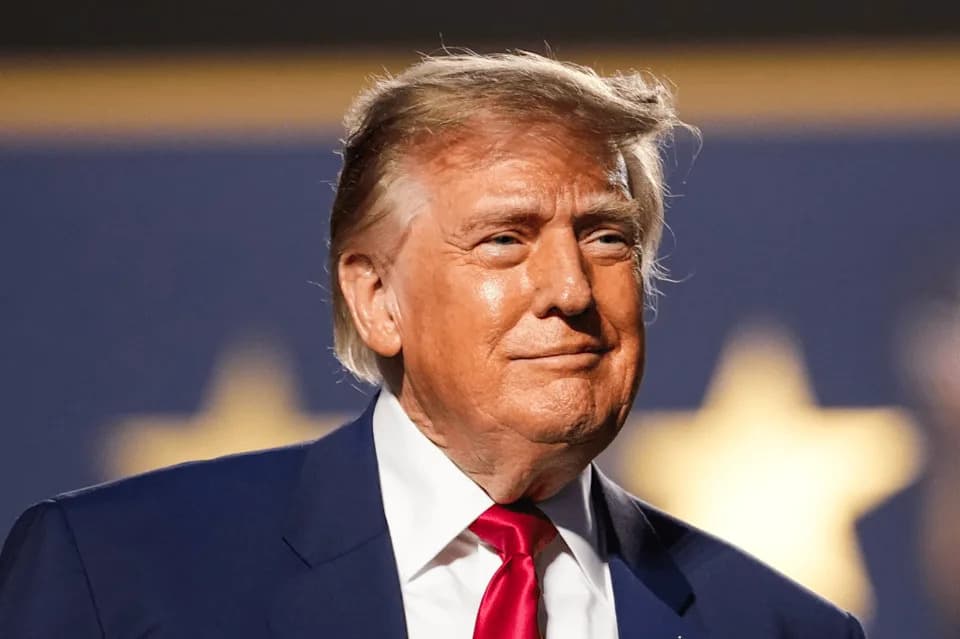
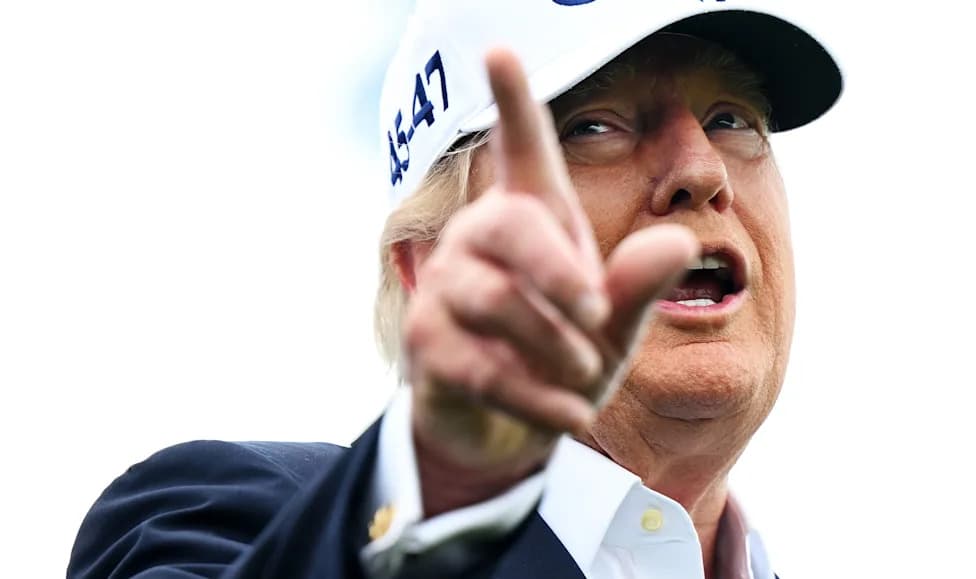
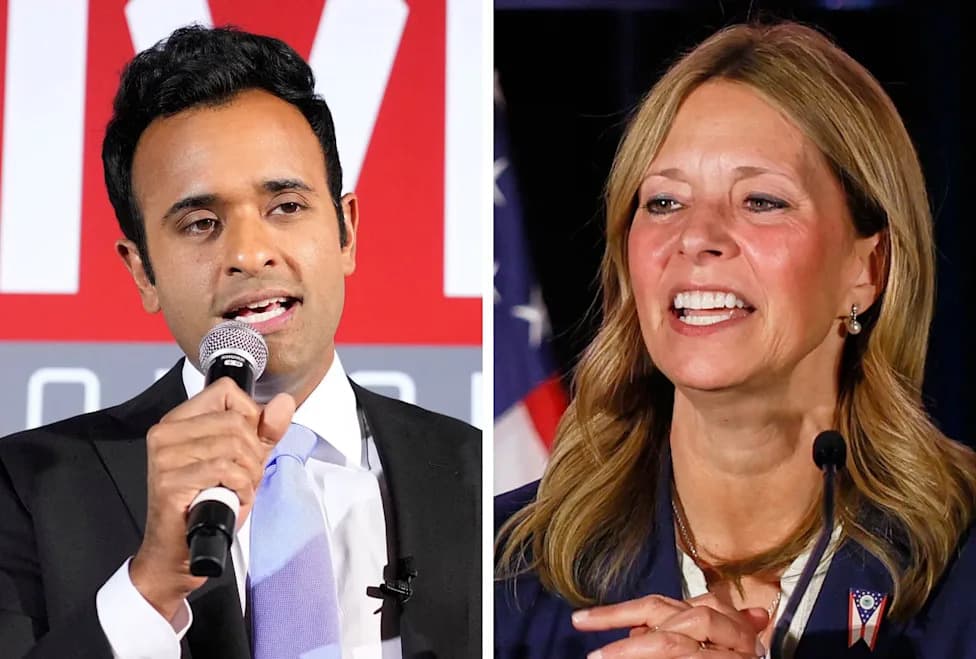
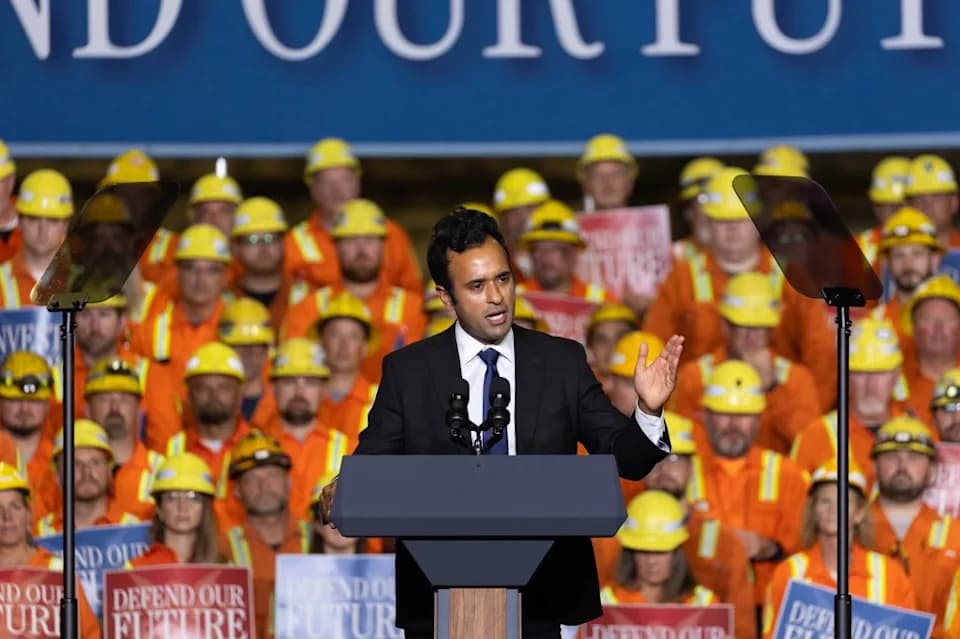
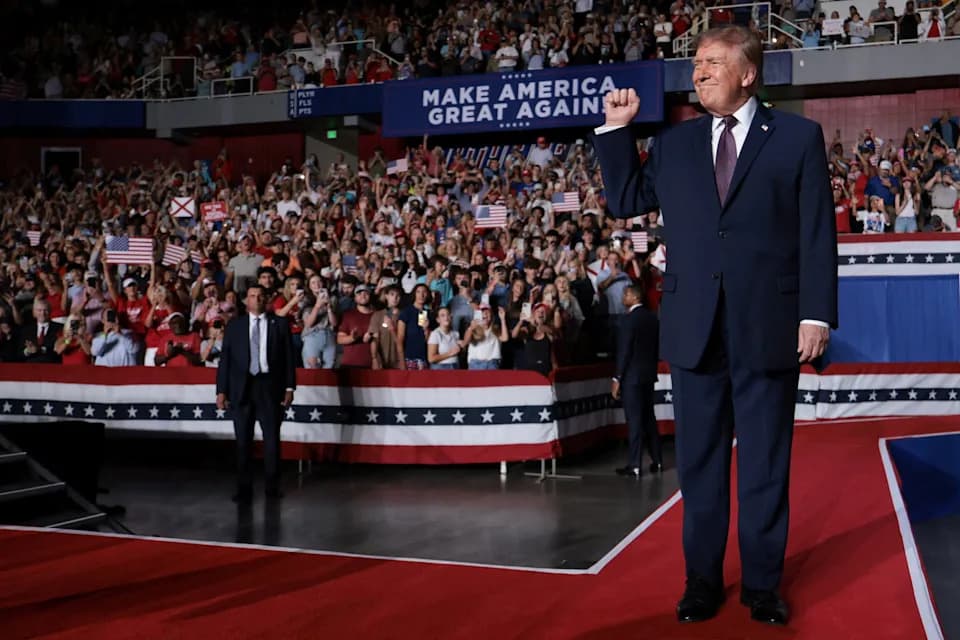
Trump plans to rally in Montgomery County for incumbent US Senator Jon Husted and gubernatorial candidate Vivek Ramaswamy. The trip comes as Trump’s approval has softened in parts of the industrial Midwest: a recent Marist poll of nearly 1,300 registered Ohio voters found 56% disapprove of his performance as president.
Local Politics, National Stakes
Ohio has leaned Republican in recent cycles, but local leaders worry that turnout and enthusiasm are lagging. In two key recent primaries, Republican turnout in Montgomery County was about two-thirds of Democratic turnout. Statewide, May’s Republican gubernatorial primary saw participation fall by approximately 33% — about 362,000 fewer votes than the prior primary in 2022.
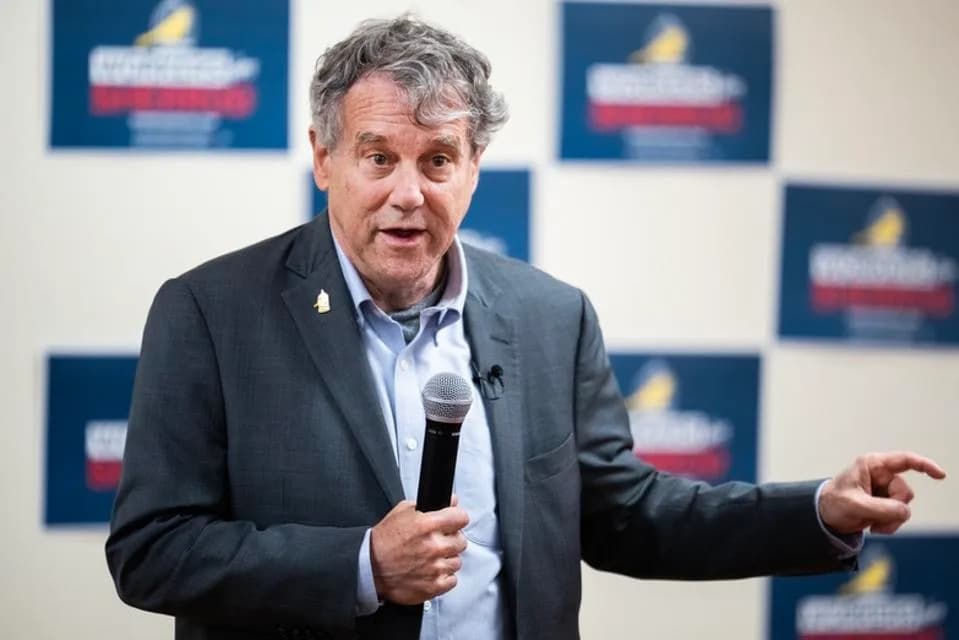
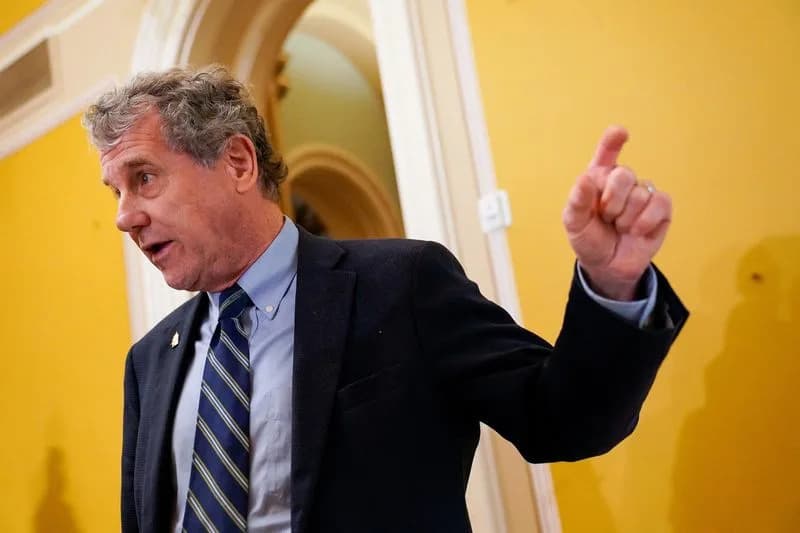
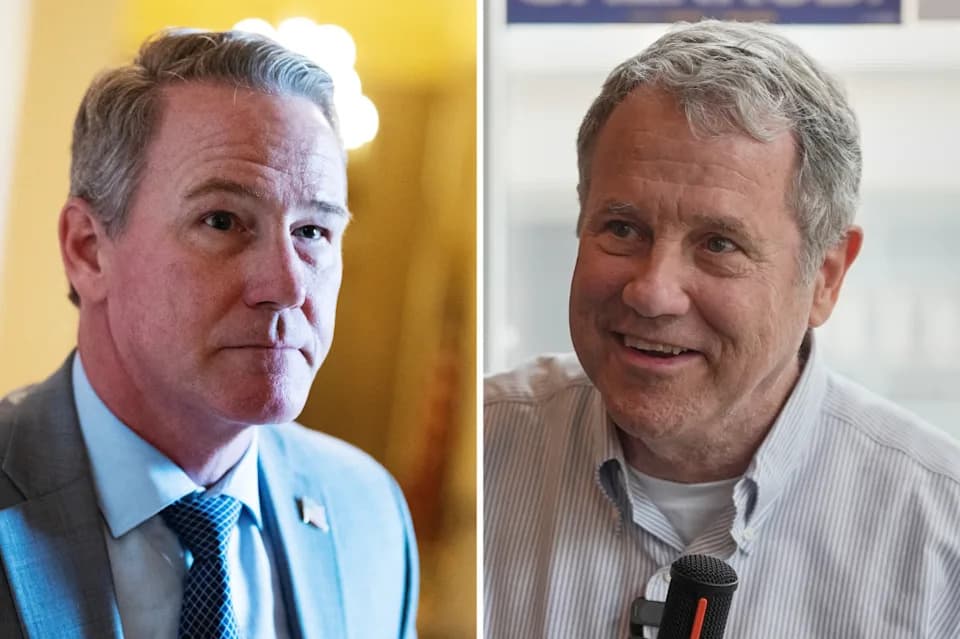
Those turnout shortfalls matter in competitive statewide contests. Polling shows Husted trailing Democratic Sen. Sherrod Brown, while Vivek Ramaswamy — a wealthy former presidential candidate who until recently was a prominent Trump ally — trails Democrat Amy Acton in the governor’s race.
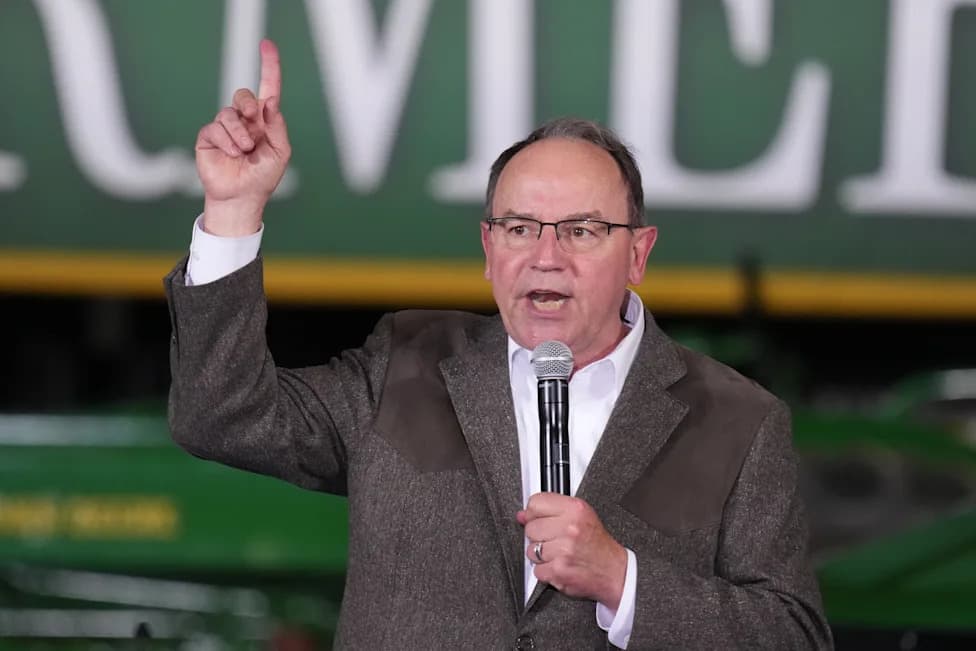
Other Republican figures have faced trouble: Representative Max Miller, once close to Trump, denies domestic and child-abuse allegations and is under investigation by the House ethics committee; he now faces a strong challenger from a union ironworker.
Voices From Dayton
Opinions among Montgomery County residents vary. Outside a tattoo parlor in Dayton’s Old North district, one woman said, "Trump? I think he's a disaster." By contrast, Bill, a former nurse caring for his invalid mother, downplayed the emphasis on rising gas prices and said perceptions of price swings can be exaggerated.
Independents could prove decisive: nearly 38% of Ohio voters — roughly 2.9 million people — are unaffiliated, according to the Independent Voter Project. Sandeep Dixit, an independent congressional candidate in northeast Ohio, says the prevailing concern he hears on the doorstep is the corrosive rhetoric coming from political leaders and the danger of extreme positions further polarizing the country.
For Savage-Radich, the choice is now clear. She said she will not vote for Ramaswamy and no longer trusts Republican claims: "I don't believe anything any Republican says right now because every time I fact-check something, they're lying." Though she is unfamiliar with Amy Acton, she noted Acton served under Republican Governor Mike DeWine and expressed a desire to vote Democratic "all the way down" to change the direction of politics.
Why it matters: A presidential visit to a narrowly divided county highlights both local economic anxieties and the broader political stakes in Ohio, where independent voters and turnout trends may determine control of key statewide offices.
Help us improve.