Democrats are adopting a two-step response to GOP anti-trans messaging: rebut the attack, then accuse Republicans of prioritizing culture wars over voters' material needs. A Transgender Freedom Alliance memo and battleground polling informed the approach; candidates such as Sherrod Brown, Rob Sand and Amy Acton have used measured answers to blunt attacks while absorbing limited activist criticism. With federal rollbacks and new NCAA rules reducing some flashpoints, strategists and advocates are urging focus on winnable issues while Republicans continue heavy ad spending that often ties culture-war themes to economic messaging.
How Democrats Are Neutralizing GOP Anti-Trans Ads — A New, Measured Playbook

How Democrats learned to stop worrying about gender politics
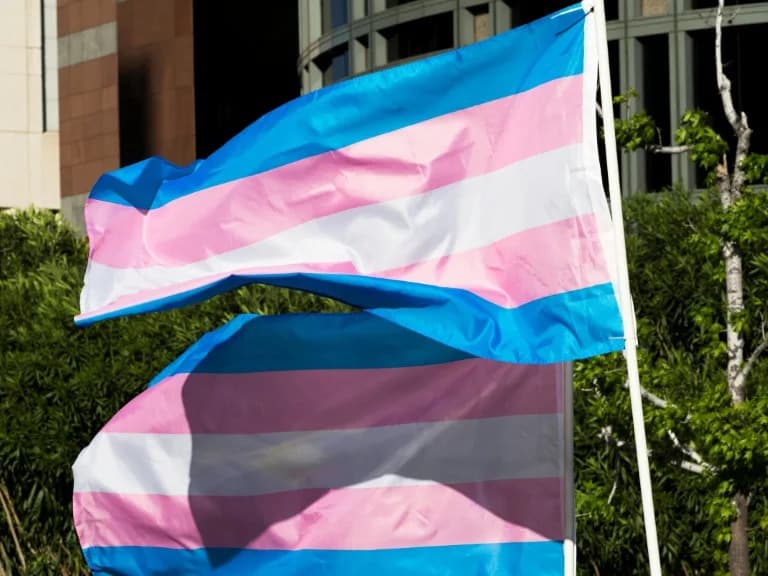
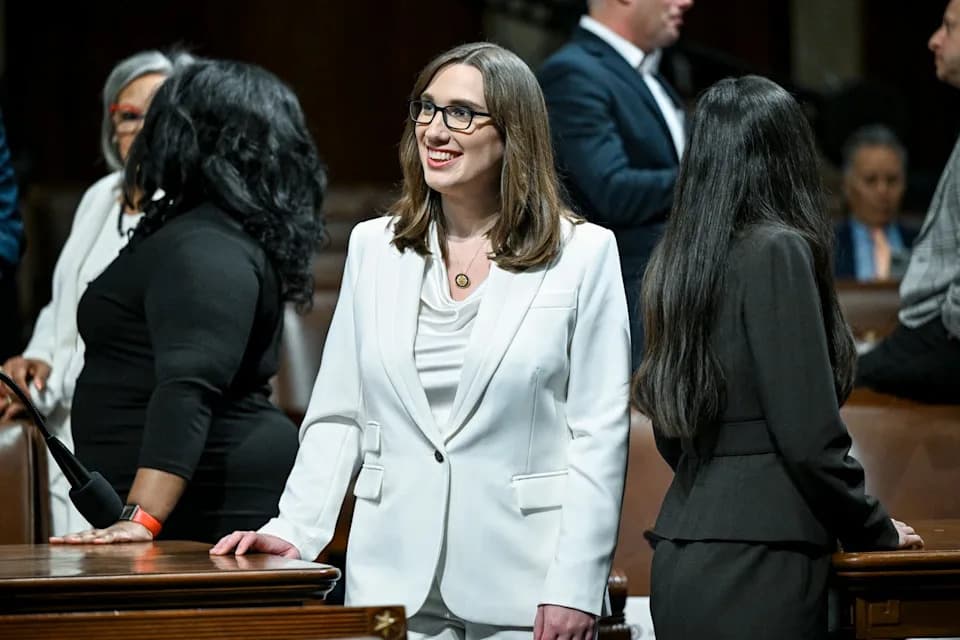
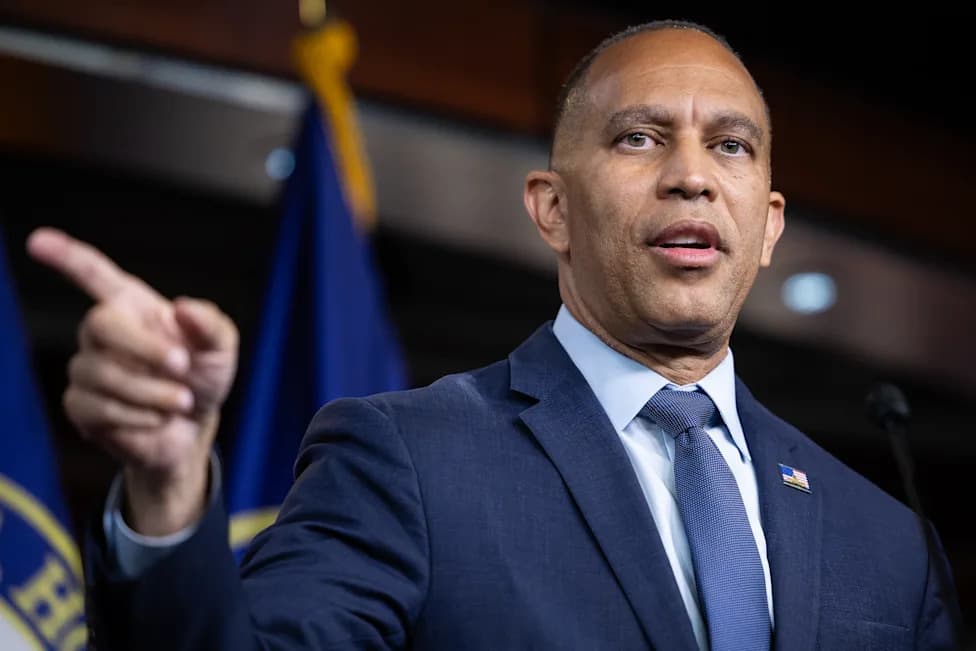
As Republicans prepare to pour more than a billion dollars into summer ad campaigns, Democratic strategists are circulating a steadier, two-step approach to gender and transgender politics: respond to anti-trans attacks, then pivot to accuse Republicans of prioritizing culture wars over voters' economic needs.
What Democrats Are Doing
A memo from the Transgender Freedom Alliance, informed by focus groups and battleground-state polling, warned that ignoring anti-trans messaging lets Republicans define the debate with familiar lines about "boys in girls' sports" and "child sex changes." The recommended response: answer the attack directly and then reframe it as a distraction from kitchen-table issues. One Democratic ad echoed that phrasing almost verbatim.
With everything going on, that's what they're talking about?
Former Sen. Sherrod Brown used that tone in an ad, and Democratic super PAC spots similarly accuse Republicans of spending "hundreds of millions" on ads "just about trans people." The argument is simple: in 2026, Democrats say, voters can’t blame them for inflation and grocery prices — it’s MAGA Republicans who are obsessing over identity questions.
Why This Feels Different — And Why It Isn't Entirely New
Some commentators call the "enough already" messaging a new strategy, but similar concessions have appeared before. Brown lost his 2024 race after running ads opposing transgender athletes in women's sports, even though Ohio already barred such participation. What's changed is the broader conservative success: the Trump administration has reversed many executive-branch advances for transgender Americans in healthcare, education policy and access to federal sites, and state-level restrictions in red states are unlikely to be reversed.
Major LGBTQ organizations, mindful of the political trade-offs, have largely stayed quiet publicly while working privately with campaigns. Candidates such as Iowa's Rob Sand and Ohio's Amy Acton quietly accepted that sports-policy questions were "settled law" in their states, absorbing activist criticism in order to blunt GOP attacks. Equality Ohio downgraded Acton's rating from an "A" to a "B" after private discussions — a reputational hit Democrats judged manageable to neutralize a frequent line of attack.
Shifting Battlegrounds And Tactical Trade-Offs
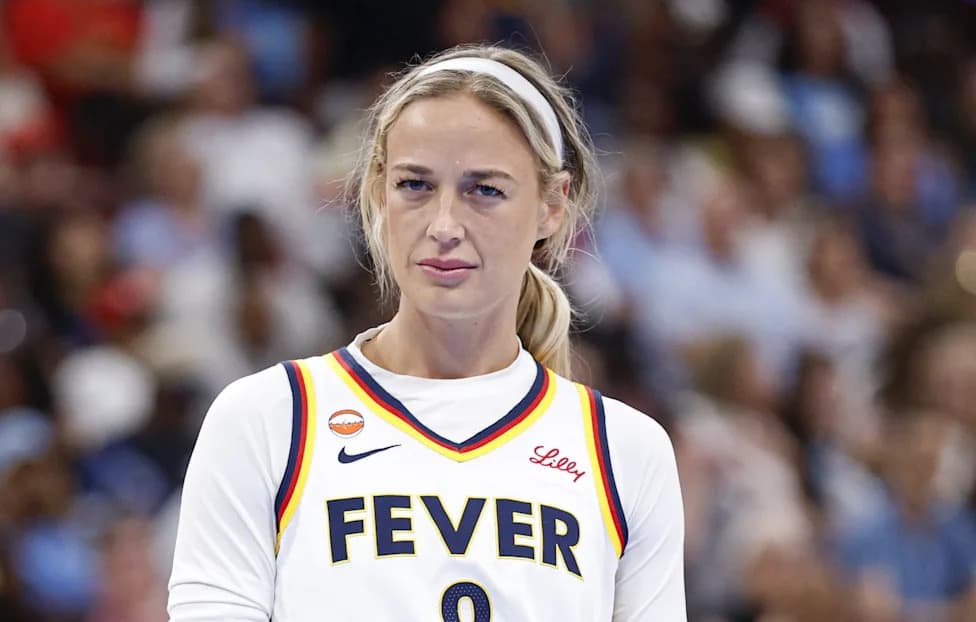
Republicans have fewer fresh high-profile examples to amplify. In 2024, Trump frequently referenced Lia Thomas, the transgender University of Pennsylvania swimmer. Under current NCAA rules enacted after federal guidance changes, athletes "assigned male at birth" are barred from competing in women's sports — removing one dramatic example Republicans used in prior cycles.
Progressive strategists and advocates are debating where to focus. Mara Keisling, a well-known transgender-rights activist whose remarks were featured in the 2024 "they/them" ad, urged concentrating on issues activists can win and "temporarily defocusing" on sports. Barney Frank similarly advised that supporters should keep making the case for trans athletes but avoid treating the issue as a litmus test for candidates.
Conservative groups, however, continue heavy spending on transgender-focused ads. A recent memo from the American Principles Project cautioned that culture-war spots may be insufficient unless tied to a credible economic message. "If the candidate has a record that's problematic on trans, it's still a good hit," APP president Terry Schilling told Semafor, noting that Republicans see political value in framing themselves as defenders of parents and children.
Democratic campaigns have adopted a common damage-control playbook: when a candidate missteps, advocates make private calls, provide counsel, and campaigns often express remorse and work to repair relationships, as Kelly Robinson wrote on the Human Rights Campaign's Substack.
Bottom Line
Democrats are increasingly willing to accept modest activist backlash to blunt GOP attacks, trade tactical concessions on specific issues such as sports, and keep the larger conversation focused on pocketbook concerns. Whether that calculation changes electoral outcomes depends on local dynamics, message discipline, and whether Republicans successfully tie cultural spots to economic fears.
Help us improve.