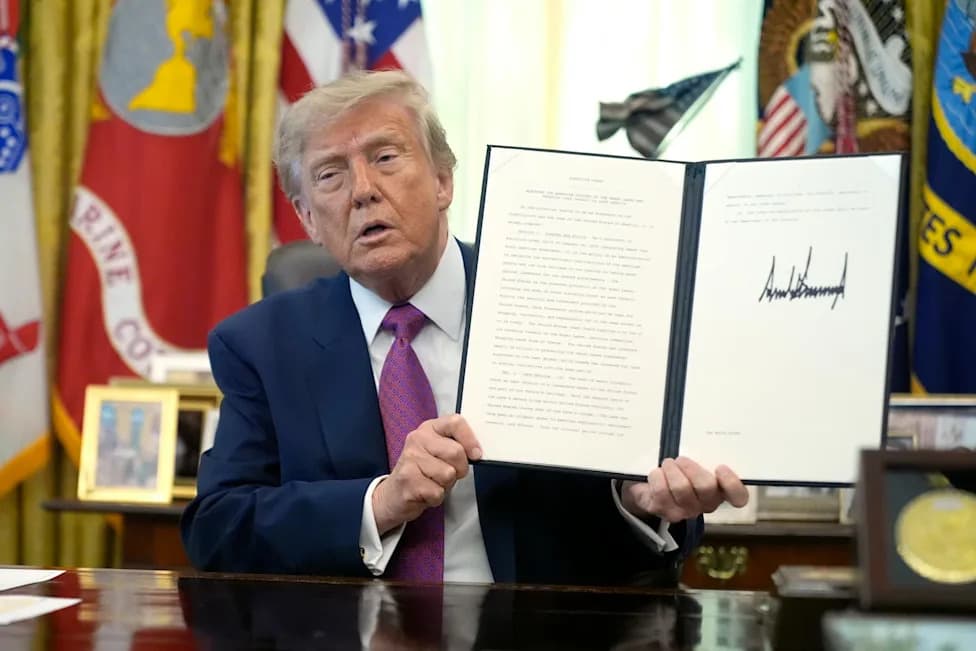
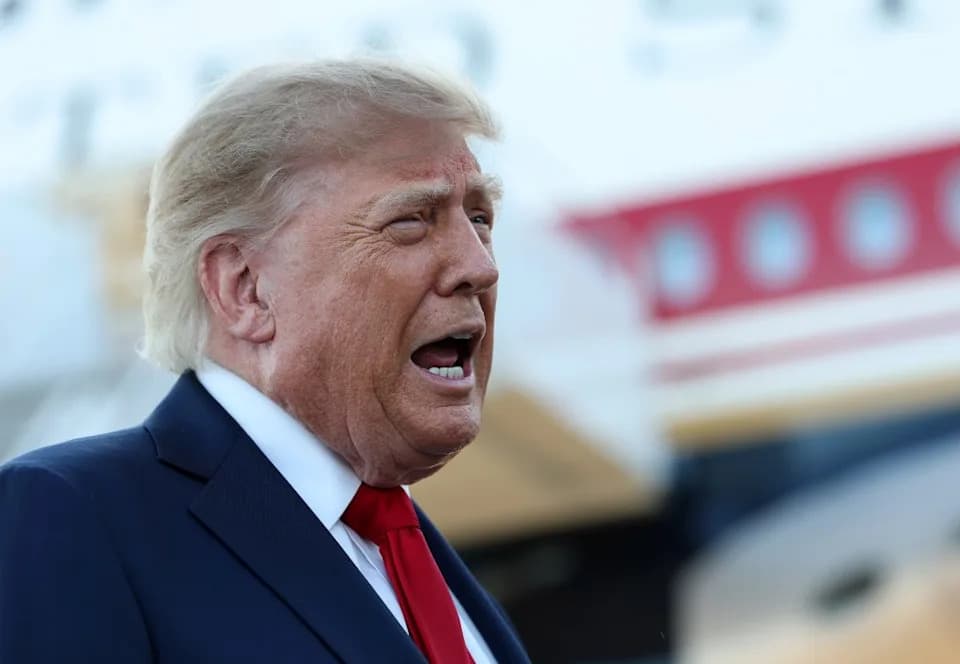
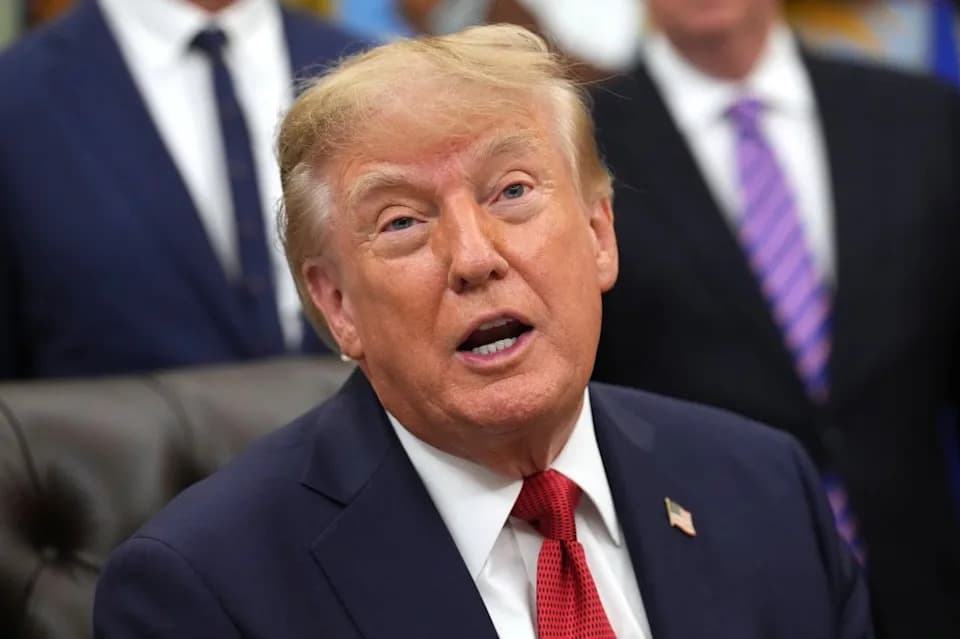
Several Republican candidates in key battleground states are quietly distancing themselves from President Trump as the midterms approach. Rep. Tom Tiffany and others have diverged from the president on issues including immigration enforcement, tariffs, data center policy and the Iran war. Strategists say low approval ratings for Trump and voter frustration over deportations and the war are driving the moves, while party leaders urge candidates to balance local needs with party unity.
‘He Is Kryptonite’: Why Battleground Republicans Are Quietly Distancing Themselves From Trump
‘He is kryptonite’: Republicans start breaking with Trump
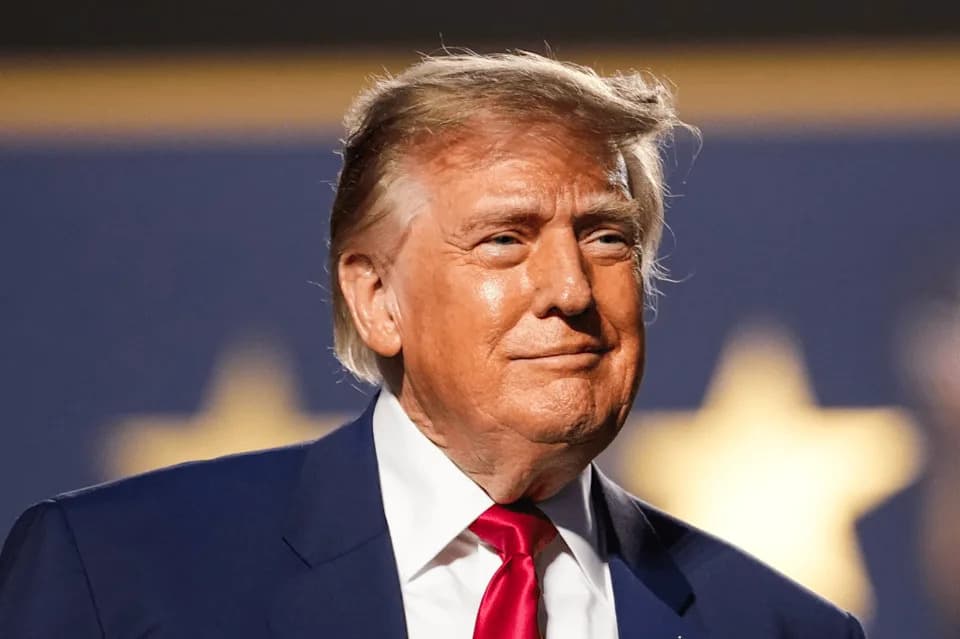
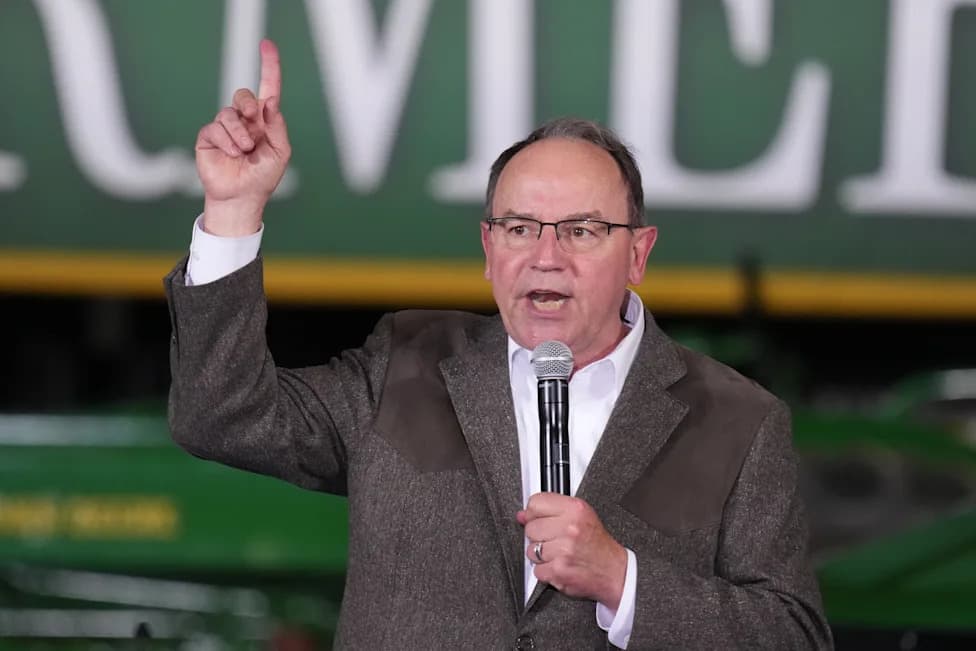
In late January, President Donald Trump publicly endorsed Rep. Tom Tiffany in Wisconsin's governor's race — a move Tiffany initially called an honor as he pledged to “make Wisconsin great again.” In the weeks since, Tiffany has softened his rhetoric toward the president and publicly diverged from several Trump policies.
Tiffany dismissed Trump’s suggestion to rename Lake Ontario “Lake America,” saying simply, “the Great Lakes are the Great Lakes.” He has broken with the administration on issues including data center policy and the easing of tariffs on imported beef, and has deflected questions about the president’s proposed mail-in ballot reforms that the Supreme Court recently blocked. After previously casting doubt on the 2020 election and supporting an FBI review of Wisconsin’s ballots in May, Tiffany told local fact-checker Wisconsin Watch this month: “Joe Biden won.”
Wider Fractures in Battleground States
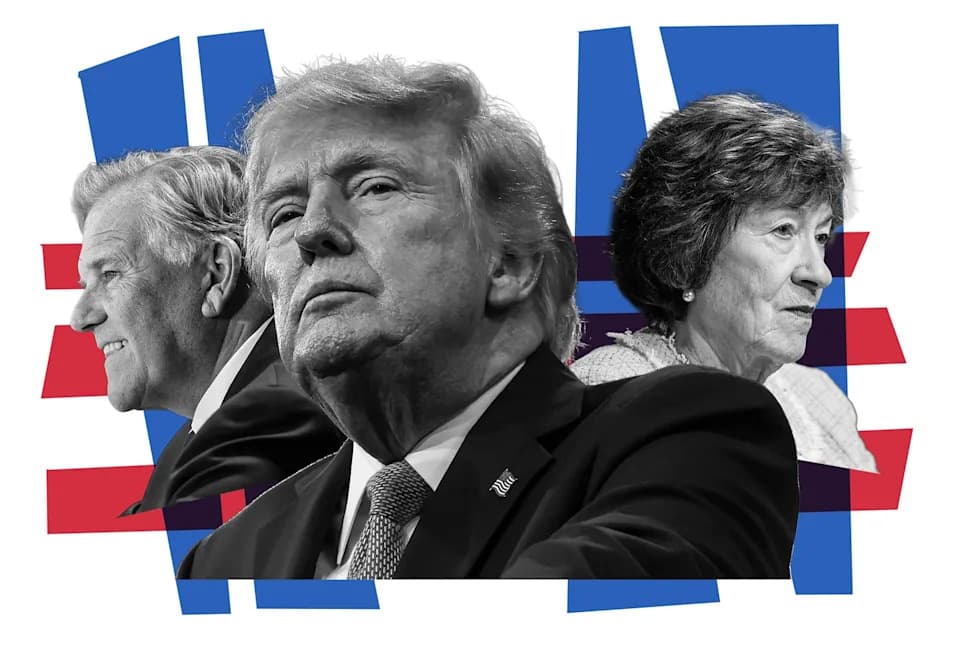
Tiffany’s shift is part of a broader pattern among Republicans in competitive states and districts who are quietly creating distance from the president as the midterms approach. Party operatives and candidates say they are responding to a deteriorating national political environment for the GOP.
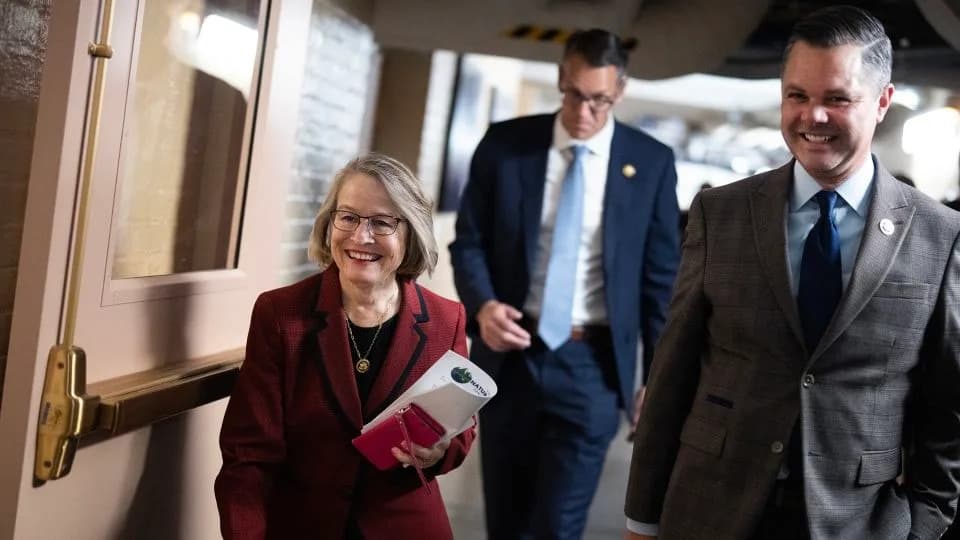
In Florida, Rep. Maria Elvira Salazar released a television ad criticizing the Trump administration’s deportation policies as having “gone too far,” warning that Hispanic voters who helped elect Trump in 2024 now feel “betrayed.” In Iowa, lawmakers and candidates including Rep. Ashley Hinson, Reps. Zach Nunn and Mariannette Miller‑Meeks have signaled distance from the White House over issues such as the Iran war and trade policy. Nunn and Miller‑Meeks voted to limit the president’s war powers and press for an end to the Iran conflict after earlier votes that had authorized force.
None of those Iowa members attended a recent campaign rally by Vice President J.D. Vance in western Iowa, and several of these Republicans — including Tiffany, Hinson, Salazar, Nunn and Miller‑Meeks — skipped the GOP midterm convention in Dallas earlier this month.
Election Pressure and Polling
Campaign strategists say the urgency is real. “We’re in a bad political environment,” said Michigan GOP strategist Jason Roe, who is advising Rep. Tom Barrett’s campaign. Trump’s approval rating has remained below 40% in POLITICO polling, and separate surveys show sizable concerns among voters about the administration’s deportation agenda and impatience with the Iran war given its economic costs.
“They know how to read a poll… They know he is kryptonite,” said a GOP strategist working in competitive races, speaking on background.
As a result, a number of endorsed Republicans have removed or downplayed references to Trump on campaign websites, and few battleground TV ads mention him: AdImpact reports only two competitive GOP television ads have referenced the president since Aug. 1. One of those was from Hinson, who pledged to work with both Trump and Democrats on health care.
Party Reaction And Risks
Party leaders have pushed both unity and flexibility. RNC spokesperson Natalie Baldassarre said candidates should “run the races they need to run to best represent the voters,” adding that the president “understands when candidates need to add nuance to policy stances in order to win elections.” The White House reiterated that “President Trump is the unequivocal leader, best messenger, and unmatched motivator for the Republican Party.”
Trump has not always welcomed public breaks. After Salazar’s ad, he reiterated his support for her campaign but criticized her stance on the border and repeated his endorsement of Hinson on social media.
Republican strategists warn that sudden pivots carry risks. Some Wisconsin operatives worry an abrupt turnaway from Trump could appear cynical and alienate his base. “You’ve got to be careful doing the Etch A Sketch politics,” said Wisconsin GOP strategist Ben Voelkel. At the same time, local voters in places such as Salazar’s Miami-area district report frustration with deportations and enforcement, underscoring why some candidates feel compelled to adjust their messaging.
When asked about Tiffany, Republican Governors Association spokesperson Kollin Crompton noted Tiffany’s recent plane crash on a Wisconsin lake — an incident in which the congressman sustained minor injuries — and suggested media scrutiny of his political moves was misplaced.
As the midterms near, Republican candidates in swing states face a tightrope: balancing allegiance to a high-profile party leader with the local political realities that could determine control of Congress.
Samuel Benson contributed to this report.
Help us improve.