The unidentified male DNA found on JonBenét Ramsey's clothing in December 1996 remains a central unresolved lead in the unsolved homicide. Boulder police say they have collected new evidence, re-interviewed witnesses and re-tested material as forensic technology has advanced. The case drew renewed attention after former CBI analyst Yvonne “Missy” Woods was sentenced for manipulating DNA data, prompting scrutiny of past forensic work. Despite calls for advanced testing such as forensic genetic genealogy, no suspect has been publicly identified.
Unidentified Male DNA Remains Key Unresolved Clue in JonBenét Ramsey Case

Nearly 30 years after six-year-old JonBenét Ramsey was found dead in her family's Boulder, Colorado, home, one piece of physical evidence continues to draw intense attention: an unidentified male DNA profile recovered from her clothing.
Ramsey was killed in December 1996, and the homicide remains unsolved. Investigators have never publicly identified the person whose DNA was detected on JonBenét's underwear and later compared with material from her long johns. Officials have repeatedly said the male profile did not match any members of the Ramsey family.
Why the DNA Still Matters
The DNA profile is one of the most scrutinized elements of the investigation because it could point investigators toward an unknown individual if a usable genetic profile is developed. Advances in forensic technology — including more sensitive testing methods and the growing use of forensic genetic genealogy — have given renewed hope that old evidence can yield new leads.

Jonbenet Ramsey
Recent Developments
Boulder police say detectives have collected new evidence, re-interviewed witnesses and re-tested existing material as laboratory techniques have improved. The department continues to treat the investigation as a top priority, though no suspect has been publicly identified and no definitive breakthrough has been announced.
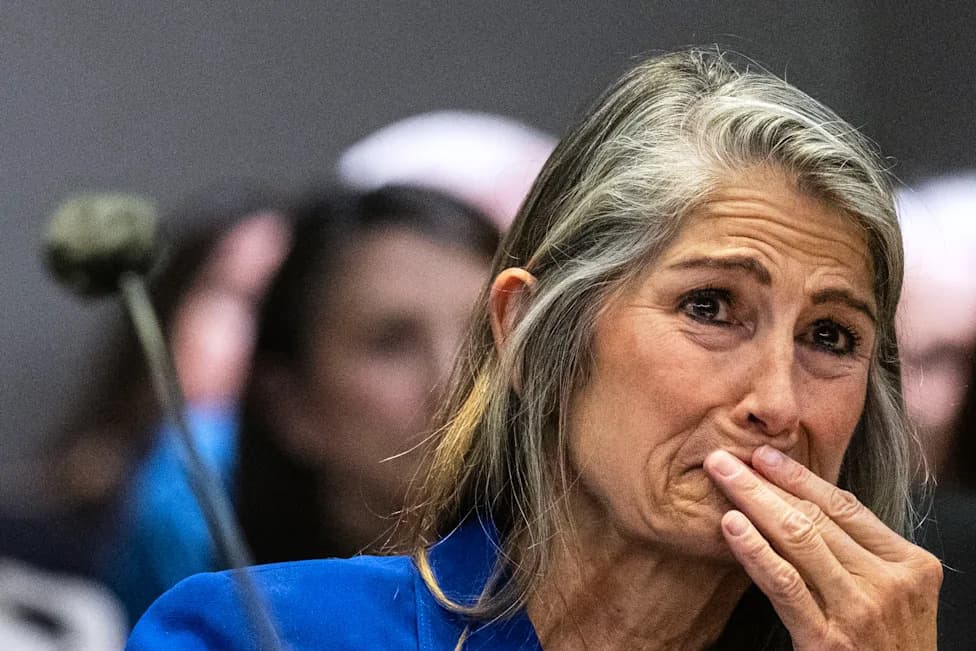
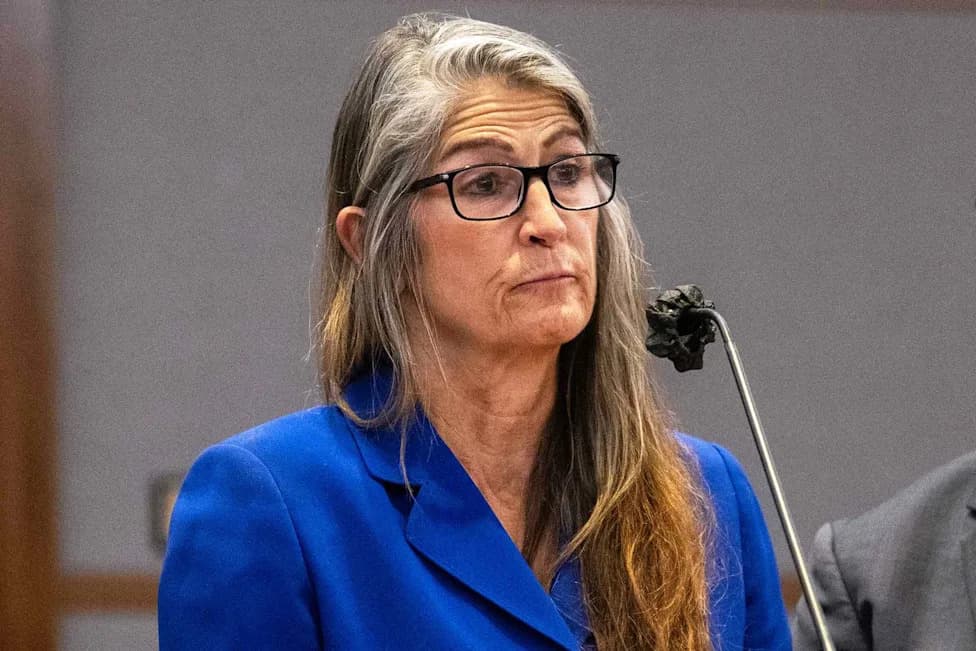
Interest in the case intensified after former Colorado Bureau of Investigation analyst Yvonne “Missy” Woods was sentenced to 10 years in prison following a guilty plea to charges that she manipulated DNA data in hundreds of cases. That revelation prompted renewed scrutiny of past forensic processes and of the integrity of evidence handling in older investigations.
Calls for Advanced Testing
JonBenét’s father, John Ramsey, has urged authorities to apply the most advanced testing available — specifically forensic genetic genealogy, which can sometimes identify relatives of an unknown DNA source by comparing DNA markers to genealogy databases. Investigators say such work depends on the quality and completeness of the extracted profile and legal and ethical considerations around database use.
At present, the unidentified male DNA remains one of the clearest unanswered questions in a case that has fascinated and frustrated the public for decades.
Authorities continue to reassess evidence as methods evolve. Until a public match or verified identification is announced by police, the DNA profile remains an open lead rather than proof of a specific suspect.
Help us improve.