Ontario is partially reversing a January 2025 rollback of tire-recycling rules after used tires accumulated at repair shops and collection depots. The RPRA now requires producers to recycle 80% of tires by weight and to expand collection sites from roughly 4,300 to about 6,500 by 2027. The changes aim to reduce the backlog and improve reliability, though industry groups warn clearing existing piles will take time.
Ontario Reinstates Tougher Tire-Recycling Rules After Provincewide Backlog
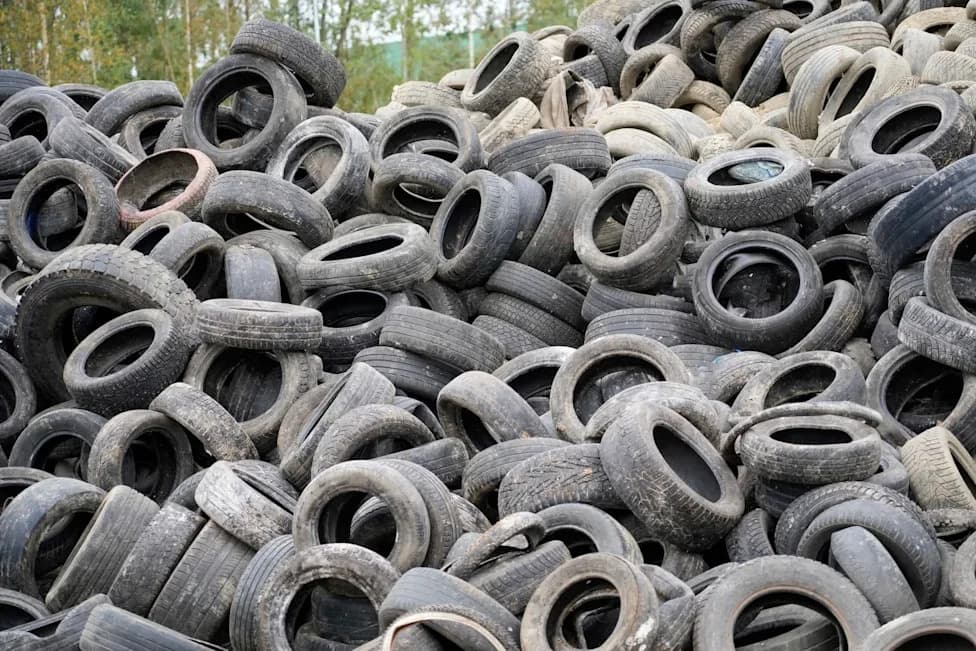
Photo Credit: iStock
Ontario is reversing part of a recent relaxation of tire-recycling rules after used tires began piling up at repair shops and collection depots across the province.
The Resource Productivity and Recovery Authority (RPRA) has set a renewed target requiring tire producers to recycle 80% of used tires by weight. The RPRA also said the number of required collection sites will increase from roughly 4,300 today to about 6,500 by 2027.
This adjustment restores portions of a January 2025 rollback that previously dropped the recycling target from 85% to 65% and reduced the mandated number of collection locations. Industry groups and repair shops say that earlier loosening of rules contributed to a growing backlog of end-of-life tires across the province.
"We didn't know where to put them,"
Shanu Nanda, manager at Scarborough mechanic shop Flame Auto Repair, described the strain on small businesses trying to store unwanted tires.
Since 2019, companies that supply tires to the Ontario market have been responsible for collecting and managing tires at end of life. Those producers commonly delegate operations to producer responsibility organizations, which coordinate with haulers and recyclers to handle collection and processing.
"As this year progressed, we saw less and less collection and recycling activity. The backlog has progressed even greater than it was this time last year,"
Adam Moffatt, chief executive director of the Ontario Tire Dealers Association, said the slowdown became increasingly apparent to dealers and repair shops.
A spokesperson for the Ministry of the Environment, Conservation and Parks, Gary Wheeler, said end-of-life tires should be picked up whenever they become available, regardless of targets. The province says the strengthened requirements aim to reduce the backlog and make collection more dependable.
The RPRA finalized the amendments after a public consultation period. While many in the industry welcome the change, officials and stakeholders warn that clearing the existing backlog will take time.
"We're so happy that it's been picked up regularly now,"
Nanda said about the updated approach to collection and recycling. Still, Moffatt cautioned:
"The changes are positive. We're still concerned."
Why This Matters
Better recycling systems keep used tires and other materials in circulation, reduce landfill and illegal dumping, and help limit environmental pollution. Recent developments underline the broader stakes:
- A rubber-products manufacturer has begun turning old tires into new materials after solving a long-standing odor problem.
- Scientists have detected tire-related pollution in urban waterways, highlighting the need to contain and properly process scrap tires.
- Communities are reassessing curbside recycling programs as costs and program limits come into focus.
Provincial regulators, industry groups and local businesses will monitor implementation of the RPRA changes as they work to clear the backlog and improve the reliability of tire collection across Ontario.
Help us improve.