About 3,000 fridges and freezers are being temporarily stored at Mayton Wood Recycling Centre in Norfolk as a national shortage of specialist recycling capacity causes backlogs. Norfolk has limited acceptance of cooling appliances to seven of its 19 sites while it seeks treatment options; capacity was hit further after a fire closed the Thetford centre in April. Defra says it is pressing producers to resolve the supply‑chain shortfall, and the Environment Agency permits temporary, regulated storage while the sector recovers.
Thousands of Fridges and Freezers Pile Up in Norfolk as National Recycling Backlog Worsens
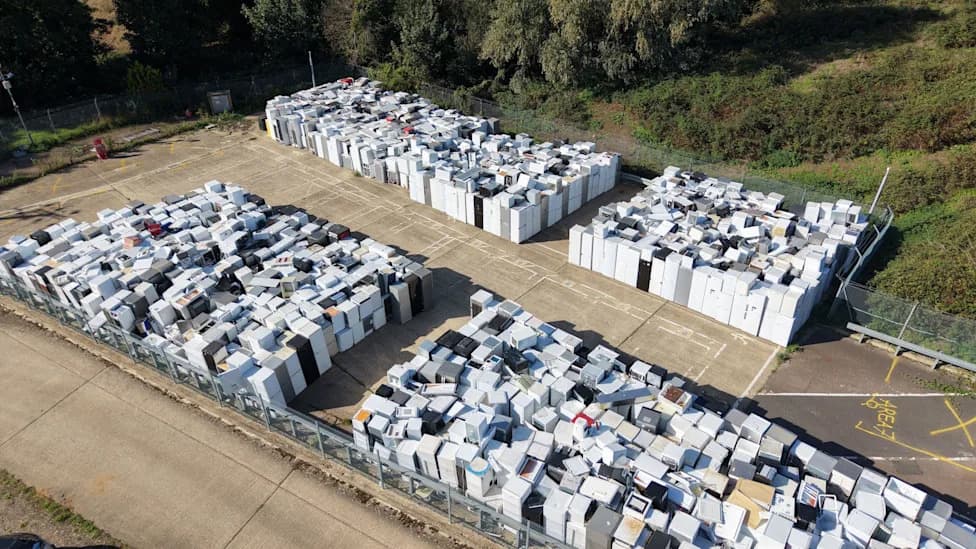
Norfolk County Council said it is using the former Mayton Wood Recycling Centre to store thousands of fridges which cannot be disposed of yet [Shaun Whitmore/BBC]
Around 3,000 fridges and freezers are being stored at Mayton Wood Recycling Centre near Coltishall as a temporary measure while specialist recycling capacity across the UK struggles to keep up with demand.
Norfolk County Council says the site is approaching full capacity and warns the short-term solution cannot continue indefinitely. The backlog has been driven by a national shortage of specialist processing facilities after the closure of some plants and a series of incidents — including fires — that have taken further capacity offline.
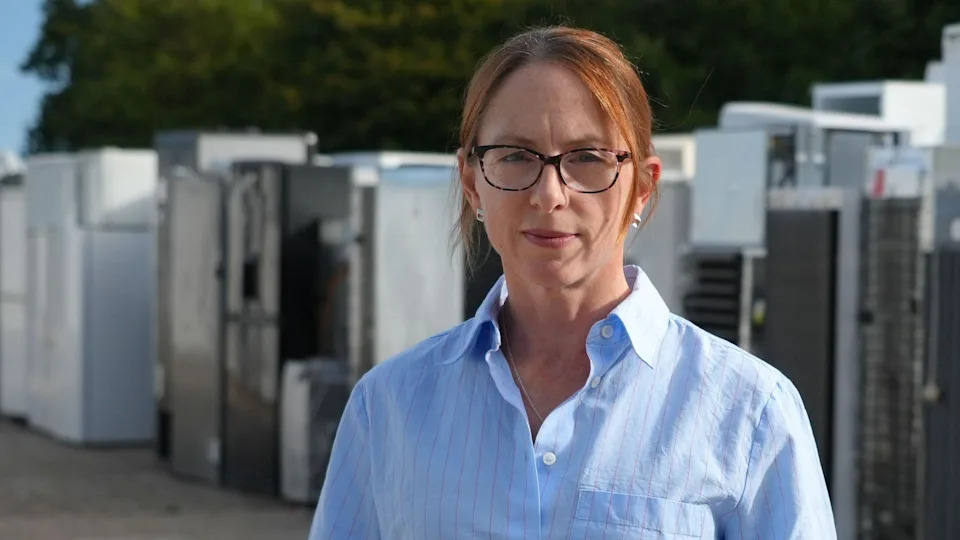
Kate Murrell said despite the national shortage of capacity, the council believes it is important to try to keep facilities open for customers [Shaun Whitmore/BBC]
Why These Appliances Need Specialist Treatment
By law, fridges and freezers must be handled at approved facilities because they contain fluorinated greenhouse gases and foam insulating materials that can release harmful or flammable gases if not treated correctly. Improper disposal risks environmental damage and safety hazards, which is why local authorities normally send these appliances to specialist reprocessors.
Local Impact and Service Restrictions
Norfolk County Council operates 19 recycling centres, but only seven of them remain able to accept cooling appliances as the council struggles to find available treatment sites to receive collected units. Examples of centres still accepting fridges and freezers include Caister, Dereham, Hempton, King’s Lynn and Norwich. The county’s capacity was further reduced after a significant fire in April closed the Thetford recycling centre, limiting local options.
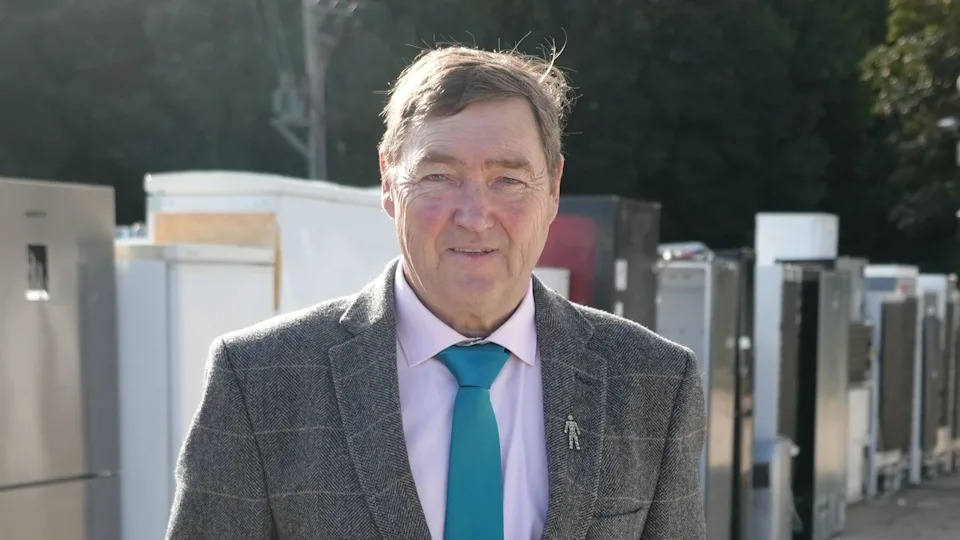
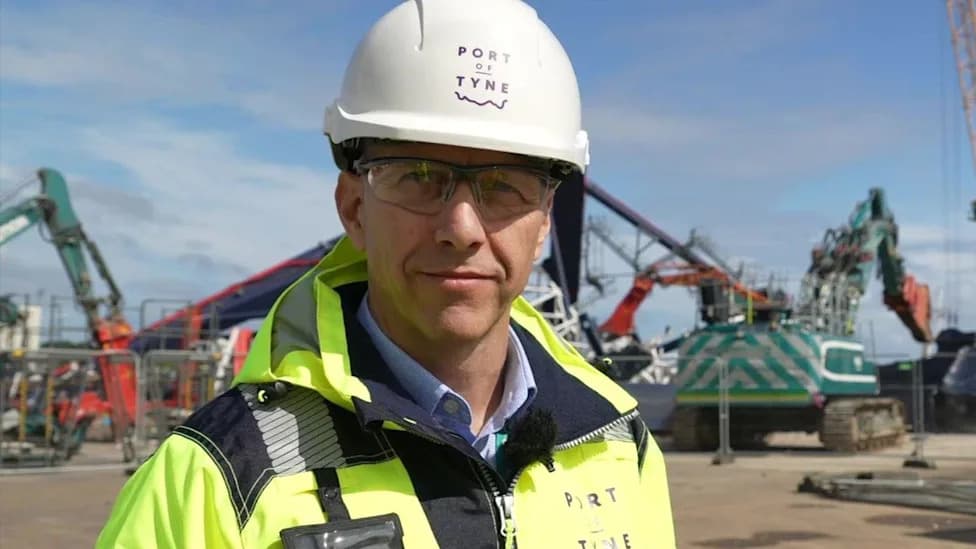
Reform UK councillor Patrick Gould is calling on central government to intervene and urgently provide suitable recycling and reprocessing companies [Shaun Whitmore/BBC]
"We don't want to see fridges and freezers stored like this; they need to be managed properly through the reprocessing system," said Kate Murrell, the council's assistant director for waste. She added that the council has had to restrict drop-off to its largest sites to keep services running for residents.
Calls For National Action
The Local Government Association (LGA) says some producer compliance schemes — which arrange and fund collection and recycling on behalf of manufacturers — have delayed or suspended collections from council sites because of the nationwide shortfall in processing capacity. Reform UK councillor Patrick Gould has urged central government to step in and secure suitable reprocessors urgently, warning that once local storage is exhausted councils may be forced to stop accepting these appliances.
Defra acknowledges the disruption and says it is "pushing producers to fix this fast and keep disruption to a minimum." The Environment Agency has permitted temporary storage of fridges and other cooling equipment on unlicensed sites, provided strict conditions are met to reduce environmental and safety risks.
Outlook: Council leaders report early signs of movement in the market, but they stress the problem is national and requires coordinated action from industry, government and local authorities to restore long-term capacity for safe recycling and reprocessing.
Help us improve.