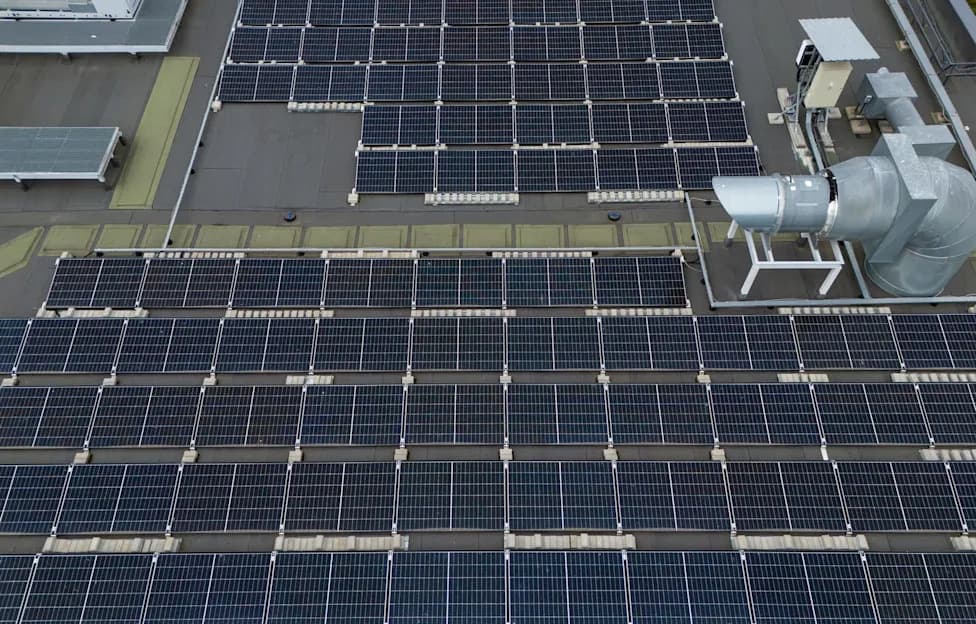
New South Wales is consulting on a draft product stewardship scheme that would require solar panel manufacturers and importers to help fund collection and recycling of end‑of‑life PV modules. NSW currently has 1.18 million rooftop systems and generates about 15,400 tons of panel waste a year, projected to reach roughly 98,100 tons by 2045. The proposal aims to recover valuable materials, reduce landfill and illegal dumping, and support local recycling, but industry groups call for national coordination to avoid a patchwork of rules.
NSW Moves to Mandate Solar Panel Recycling as Waste Could Top 98,000 Tons by 2045
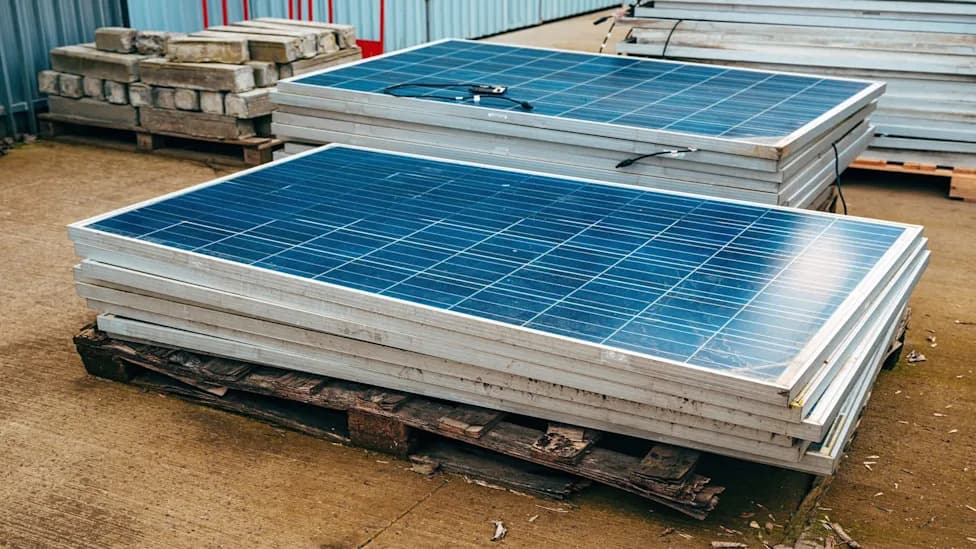
Photo Credit: iStock
New South Wales is consulting on a proposal to become the first Australian jurisdiction to require solar panel manufacturers and importers to help fund the collection and recycling of end‑of‑life photovoltaic (PV) modules. The draft product stewardship model aims to capture regulated PV panels supplied in NSW and finance statewide collection, recycling and resource recovery activities.
Why This Matters
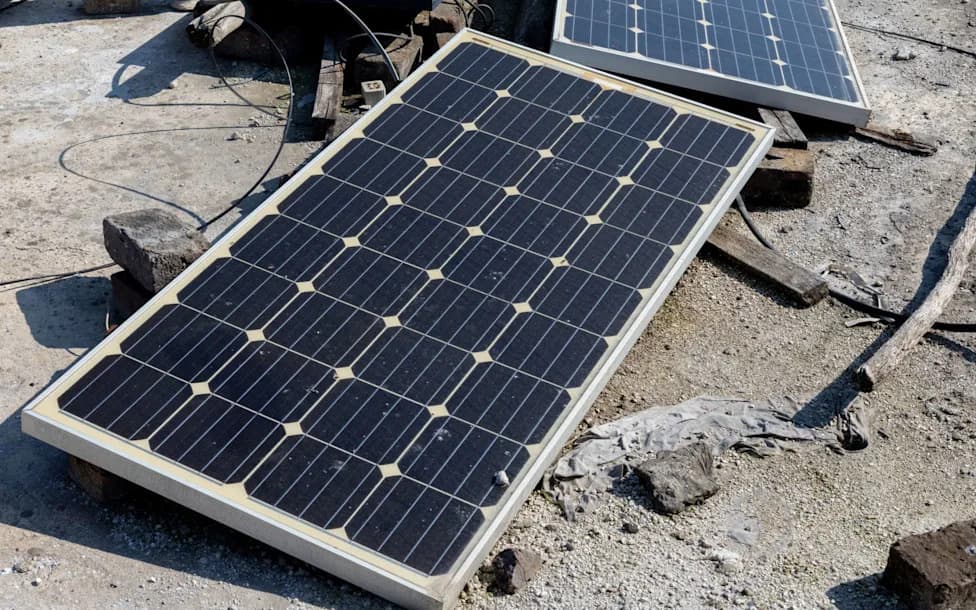
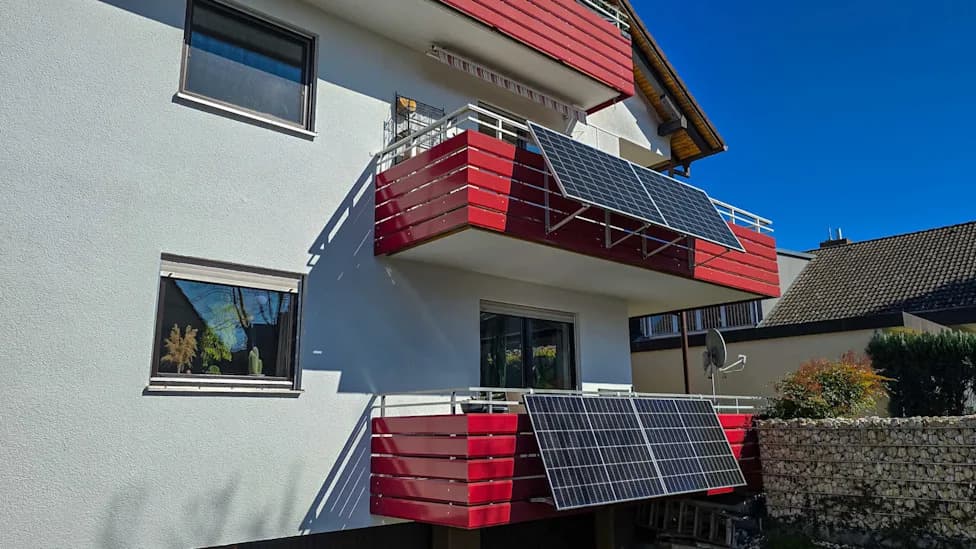
NSW has more than 1.18 million rooftop solar systems, producing roughly 15,400 tons (about 14,000 metric tonnes) of panel waste each year. Officials estimate that annual panel waste could climb to about 98,100 tons (89,000 metric tonnes) by 2045 as older systems are retired and households adopt newer, more efficient technology.
What the Draft Scheme Would Do
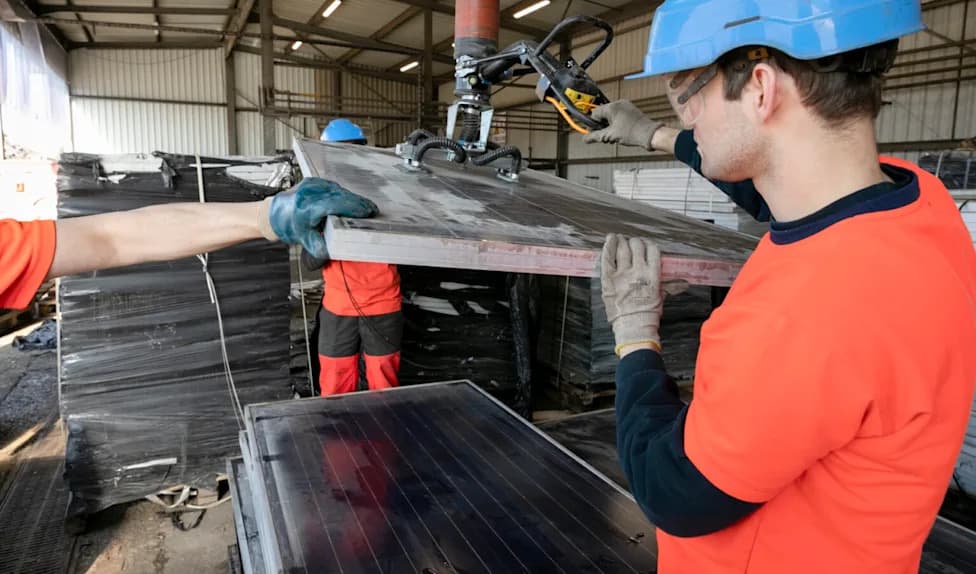
Under the proposal, manufacturers and importers of regulated PV panels supplied in NSW would be required to contribute to the costs of collecting, transporting and recycling panels at end of life. The scheme’s goals are to:
- Recover valuable materials from discarded modules
- Reduce landfill, illegal dumping and stockpiling
- Support remanufacturing and local resource recovery
NSW Environment Protection Agency: "Current disposal pathways are insufficient to safely and sustainably manage this growing waste stream. Most end-of-life PV panels continue to be landfilled, stockpiled or illegally dumped."
NSW Energy Minister Penny Sharpe: "NSW has embraced rooftop solar, and now we're making sure those panels don't become tomorrow's landfill problem. Solar panels contain valuable materials that can be recovered and put back to work."
Industry Response and National Context
Industry groups welcome the step but warn a single-state approach cannot fully solve a national challenge. David McElrea, CEO of the Smart Energy Council, said the draft provides a strong foundation for a circular economy but urged federal leadership to avoid a patchwork of inconsistent rules across Australia.
Global Examples
Similar recycling and recovery efforts are emerging internationally and in the United States, including:
- Qcells building a solar panel recycling operation alongside U.S. manufacturing in Georgia
- SolarCycle opening a dedicated PV recycling facility in Odessa, Texas
- Engineers in China developing more efficient techniques to separate and recover panel materials
- TerrePower planning to recycle over 125,000 solar modules annually in Tennessee
How to Have Your Say
Submissions on the NSW issues paper are open until 16 November. The government is seeking views on how to scale up recycling, remanufacturing and local manufacturing for PV panels and how best to structure the proposed stewardship scheme.
Bottom line: The draft scheme could create economic value from recovered materials while addressing a rapidly growing waste stream—provided it is coordinated with national policy to ensure consistent coverage across Australia.
Help us improve.