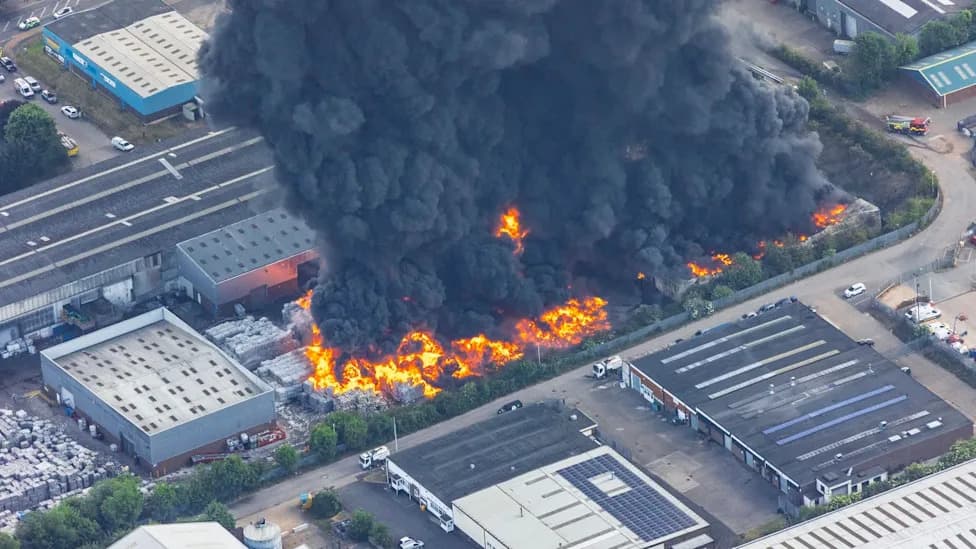
Rep. Donald Norcross is sponsoring federal legislation after 14 fires at EMR recycling sites in Camden that officials and residents link to lithium-ion batteries slipping into scrap loads. EMR says batteries are banned but can be hard to detect, while investigators note some fire causes remain undetermined. The proposed bill would tax battery makers, subsidize detection equipment for recyclers, and fund collection and recycling grants. Residents in Waterfront South raise health and environmental-justice concerns as officials seek long-term solutions.
Norcross Pushes Federal Bill After 14 Camden Recycling Fires Tied to Lithium Batteries
Photo Credit: iStock
U.S. Representative Donald Norcross is urging federal action after 14 fires at EMR scrap-metal recycling sites in Camden, New Jersey, that officials and residents say were fueled by lithium-ion batteries. The fires have raised public-health and environmental-justice concerns in Waterfront South, a predominantly Black and Hispanic neighborhood that borders the facilities.
What Happened
EMR, which operates five facilities in Camden, says lithium-ion batteries are prohibited at its yards but sometimes arrive concealed among mixed scrap and can ignite when shredded. Local advocates and residents dispute that explanation as a full defense of the company, pointing to repeated blazes that released hazardous smoke and forced some families to leave their homes.
'They're in almost everything now, but that's your job. You're a recycler. You should know how to do that,' said Portia Simmons, a Waterfront South resident with congestive heart failure, calling EMR's explanation an 'excuse.'
A joint records request by WHYY and The Margin found that incident reports for three fires at EMR sites listed the probable cause as undetermined, leaving questions about how some of the blazes began.
Industry Concerns and Technology Limits
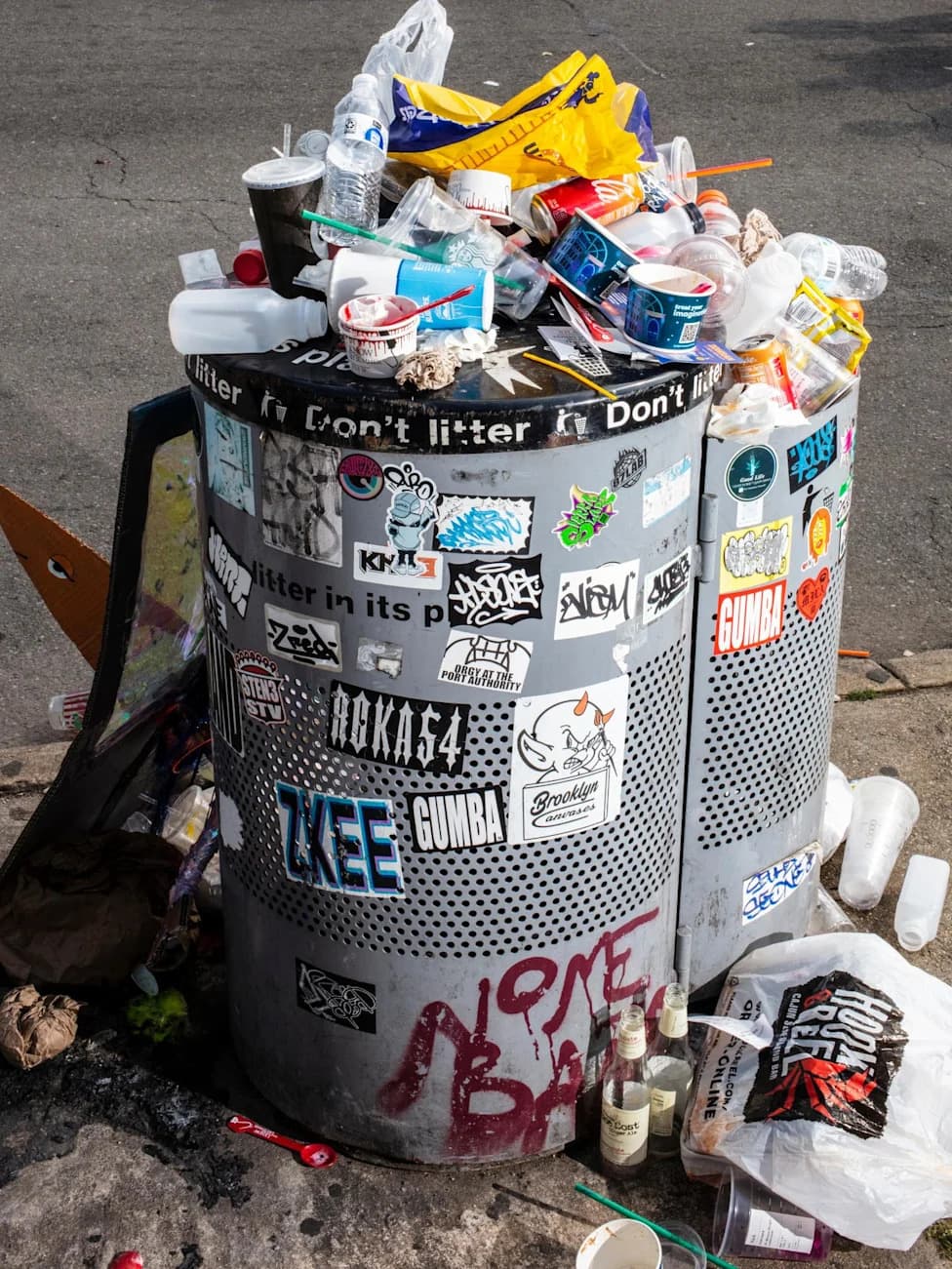
Experts warn lithium-ion batteries pose a serious challenge to recycling. David Wagger, chief scientist at the Recycled Materials Association, described lithium-ion batteries as an 'existential threat' to parts of the recycling industry. EMR USA CEO Joe Balzano has said commercially available detection technologies are not yet reliable enough to find batteries hidden inside large piles of scrap metal.
Steps Taken at the Camden Site
- Thermal imaging cameras to identify hotspots in incoming material
- Procedures to separate suspect loads and stricter supplier standards
- A 24/7 fire watch and adjusted shredding schedules to reduce material piling
- Frequent testing of the automatic fire-suppression system (reported every three hours)
The Proposed Federal Response
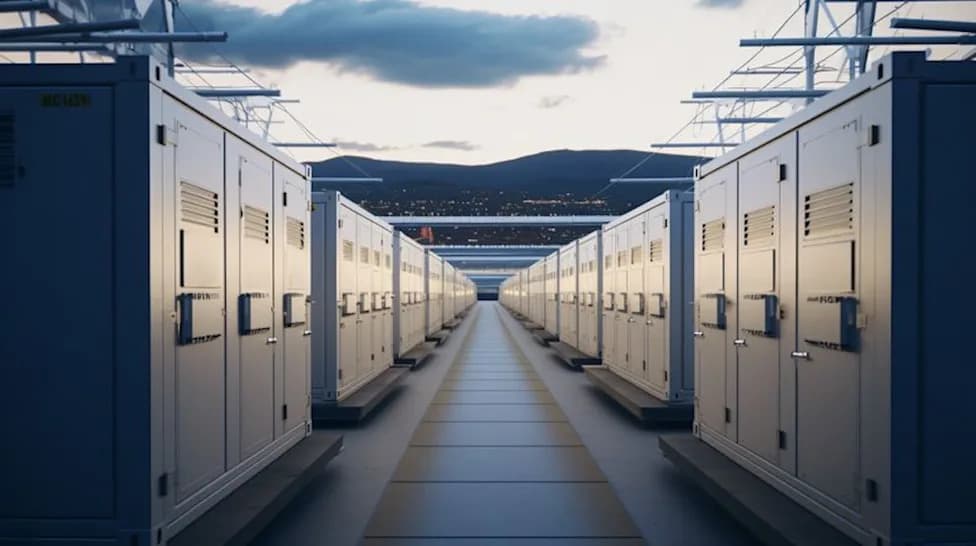
Representative Norcross is sponsoring legislation intended to reduce fire risks nationwide by improving detection and recycling of lithium-ion batteries. The bill would impose a tax on battery manufacturers, subsidize battery-detection equipment for recycling firms, and create grants for collection and recycling facilities that process lithium-ion batteries. Norcross says these steps would help 'find that needle in the haystack' and create a safer disposal and recycling process across the country.
Broader Context And Possible Solutions
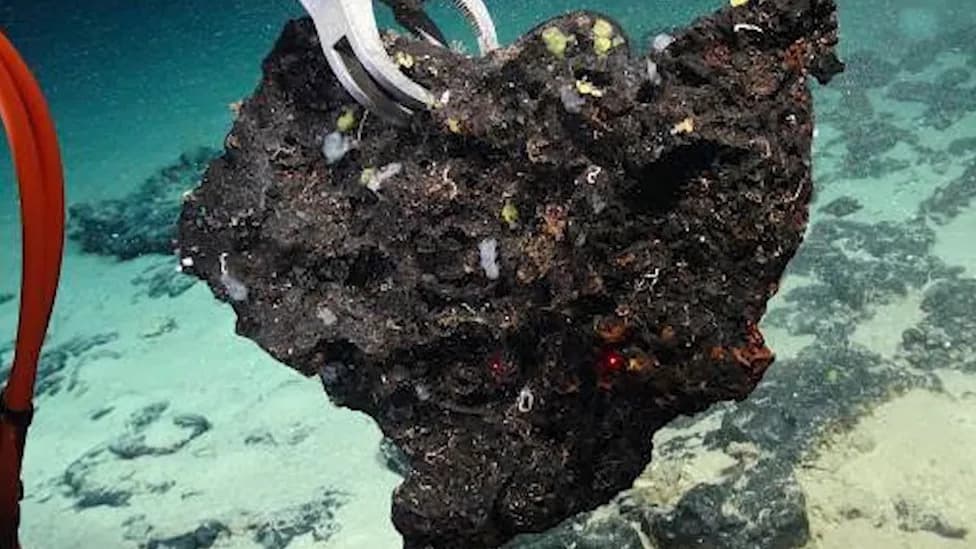
Observers point out that hidden lithium batteries have appeared in many waste streams, including discarded vape cartridges. Researchers are exploring safer battery chemistries and designs, and some studies suggest increased recycling and smaller batteries could significantly lower lithium demand. Policymakers and industry advocates note the need for a mix of improved collection systems, better detection technology, safer battery design, and regulatory incentives to reduce future risks.
Bottom line: The Camden fires highlight a growing national challenge—how to prevent lithium-ion batteries from causing fires in recycling operations while protecting nearby communities and advancing safer recycling practices.
Help us improve.