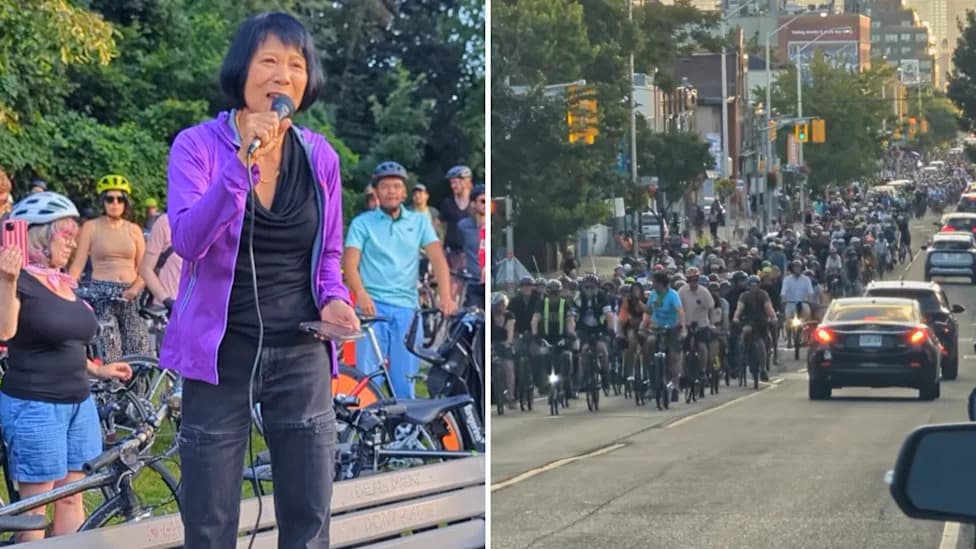
Ontario will remove about 12 miles (19 km) of protected bike lanes from several busy Toronto streets after the Court of Appeal overturned a July 2025 lower-court ruling. The province plans to reallocate that road space to motorized vehicles along major corridors. Advocates warn the changes could increase safety risks for cyclists, reduce low-emission travel options and affect traffic, pollution and public health. The move reflects broader global debates about how governments prioritize different modes of transport.
Ontario to Remove About 12 Miles (19 km) of Protected Bike Lanes in Toronto After Court Ruling
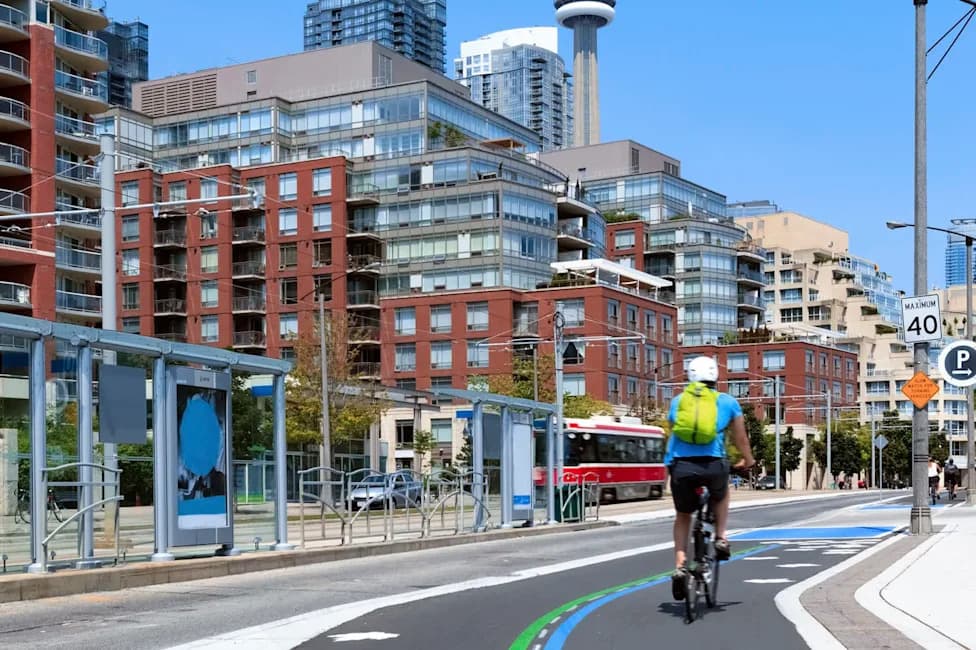
Photo Credit: iStock
Ontario officials are moving forward with a plan to remove roughly 12 miles (19 kilometers) of protected bike lanes from several of Toronto's busiest streets after a decision from Ontario's Court of Appeal cleared the way to overturn a lower-court ruling from July 2025.
What Officials Say
According to a CBC Toronto TikTok post, provincial authorities plan to reallocate road space currently reserved for protected bike lanes back to motorized vehicles along multiple major transportation corridors. The government describes the change as a reconfiguration of road space to address traffic flow and vehicle access.
Why It Matters
Protected bike lanes provide a physical buffer between cyclists and motor vehicles. They are intended to make cycling safer and more comfortable for commuters, families, delivery workers and people who cannot or choose not to drive. Advocates warn that removing that buffer can increase stress, reduce accessibility, and raise the risk of collisions and serious injuries for people who cycle.
Potential Impacts
- Increased stress and perceived danger for cyclists forced to ride closer to moving traffic.
- Possible reduction in cycling trips, which could lead to more short car journeys and higher local pollution.
- Traffic patterns, public health outcomes and the economic environment for street-level businesses may be affected depending on modal shifts and street design changes.
Broader Context
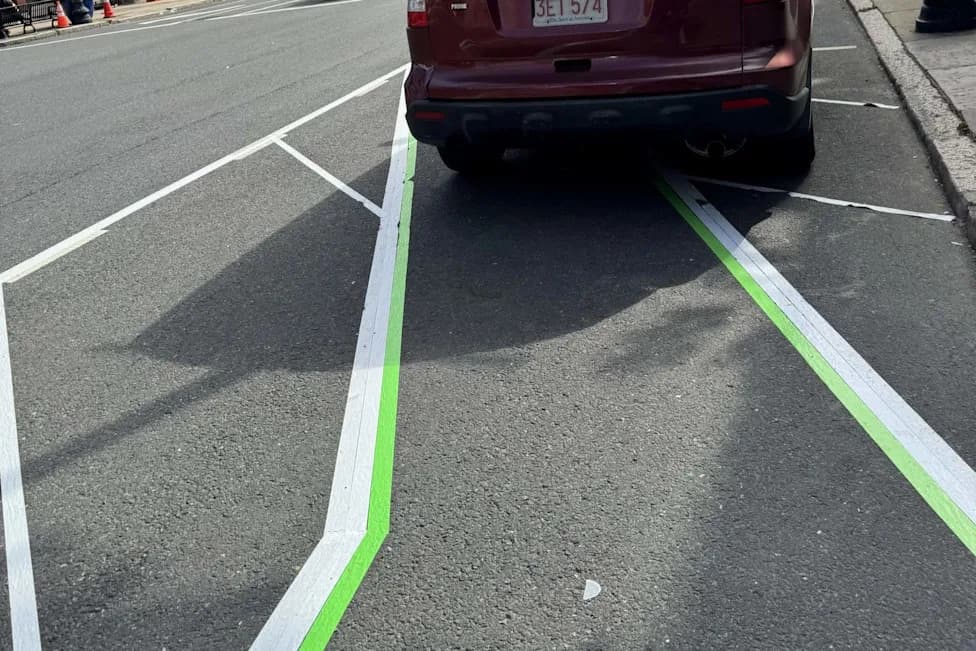
This decision echoes wider, global debates over how governments prioritize road space and transportation policy. Some cities and regions have invested in bike infrastructure to reduce congestion and emissions, while others have moved to loosen vehicle-related regulations or restore road space to motorized traffic. Examples cited alongside Toronto include reports of exposed or stressful bike routes in U.S. cities, road-building restrictions in parts of the U.K., and policy shifts around vehicle emissions in the U.S.
"Reversing built infrastructure not only affects individuals' sense of safety; it signals which modes of transport are prioritized on public roads."
What’s Next
Officials will proceed with reconfiguration efforts along the identified corridors. Cycling advocates, urban planners and local stakeholders are likely to continue public debate and may seek municipal or legal responses. For now, the appellate ruling allows the province to implement its plan.
Source: CBC Toronto (TikTok post) and related reporting on the Court of Appeal decision.
Help us improve.