Rare camera-trap photos from Aug. 20, 2022, show a bobcat attacking an adult eastern diamondback rattlesnake. The University of Florida camera recorded 38 frames over about 90 minutes that document the bobcat approaching, gripping the snake and ultimately leaving the rattlesnake badly injured. Scientists say the images are valuable because direct photographic evidence of mammals attacking adult rattlesnakes is limited. The sequence also highlights how human-managed lands can shape where species encounter one another.
Florida Camera Trap Captures Bobcat Severely Wounding Giant Eastern Diamondback Rattlesnake
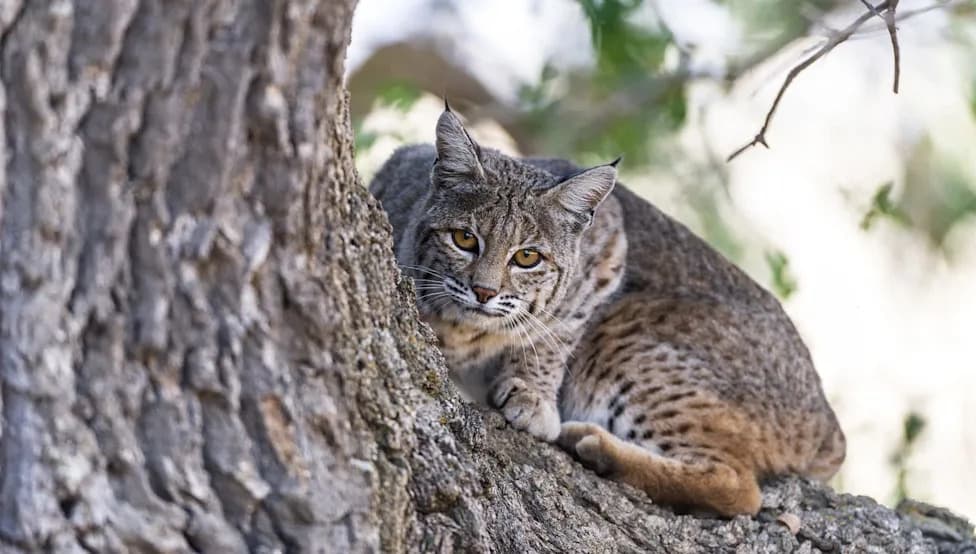
Photo Credit: iStock
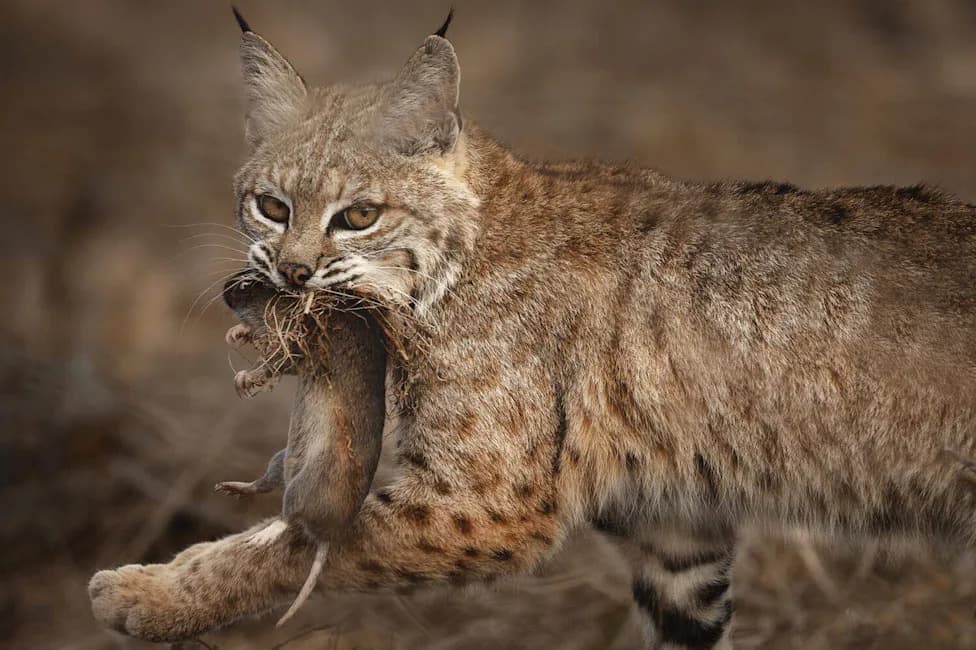
A remote camera at the University of Florida's Range Cattle Research and Education Center in Hardee County recorded a rare and dramatic wildlife encounter on Aug. 20, 2022: a bobcat attacking an adult eastern diamondback rattlesnake, a species widely regarded as the world's largest rattlesnake.
What the Images Show
The camera trap captured 38 frames across roughly 90 minutes. Early frames show the bobcat approaching cautiously, avoiding the snake's warning rattle, then seizing the snake by the tail and mid-body before concentrating its attack on the head. In later frames the eastern diamondback appears badly injured, overturned on its back, but still attempting to defend itself.
Scientific Value and Context
Eastern diamondbacks are large, heavy-bodied and venomous. Direct photographic evidence of mammals attacking adult rattlesnakes is uncommon, so this sequence has unusual scientific importance. The images add to a small but growing body of evidence that bobcats can handle larger reptiles than often assumed — including invasive or potentially dangerous species such as pythons.
"Our observation provides primary photographic evidence that Bobcats can attack and severely wound adult vipers," the study authors wrote. "It also supports previous indirect evidence of predation on Burmese Pythons by confirming the species' capacity to kill large reptiles, even venomous ones."
Human-Shaped Landscapes and Monitoring
The confrontation occurred on human-managed research and cattle lands monitored by remote cameras. While people did not necessarily cause the interaction, the setting illustrates how development, ranching and other altered habitats influence where species meet and how often humans get to witness these events. Human expansion into wildlife habitat can increase overlap among species — and between animals and people — with implications for ecosystem balance, pet safety and local wildlife management.
The Value of Camera Traps
Camera traps and wildlife-monitoring grids give scientists a clearer picture of animal behavior away from direct human observation. They can capture rare or hard-to-see interactions that deepen understanding of predator behavior and help communities make informed decisions about conservation and safety.
Takeaway
This photographic sequence documents an uncommon predator-prey interaction, supports earlier indirect reports of bobcats attacking large reptiles, and underscores the increasing importance of systematic wildlife monitoring in human-influenced landscapes.
Help us improve.