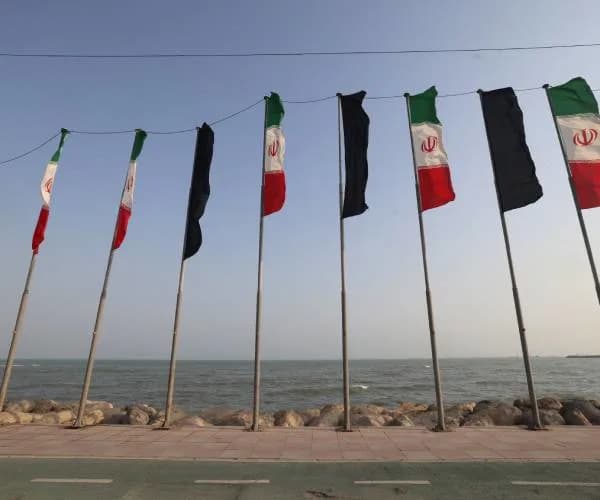
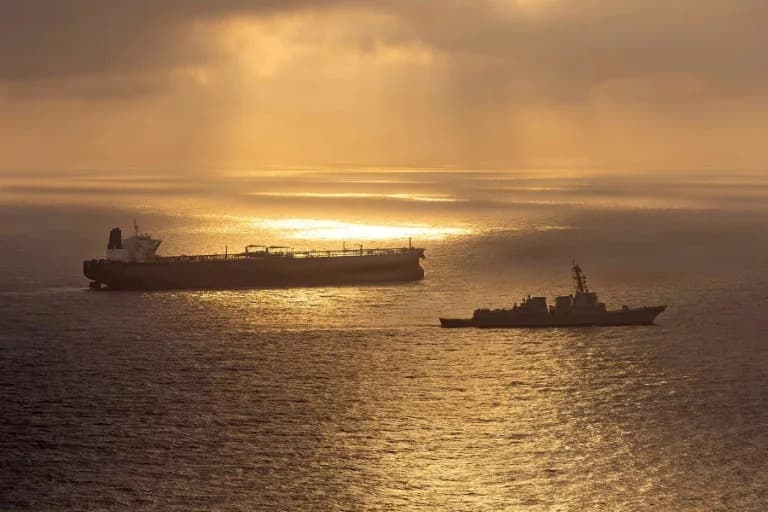
Qatar's prime minister warned that the US‑Israel war on Iran has produced an "earthquake" with far‑reaching economic and security consequences. He called for a regional framework that respects state sovereignty to prevent cycles of escalation and pledged over $38 billion in infrastructure spending to attract private investment and strengthen resilience. Doha also said it is actively mediating to restart talks between Tehran and Washington as the UN General Assembly convenes.
Qatar PM: US‑Israel War on Iran Is an "Earthquake" — Calls for Sovereignty to Avert Escalation
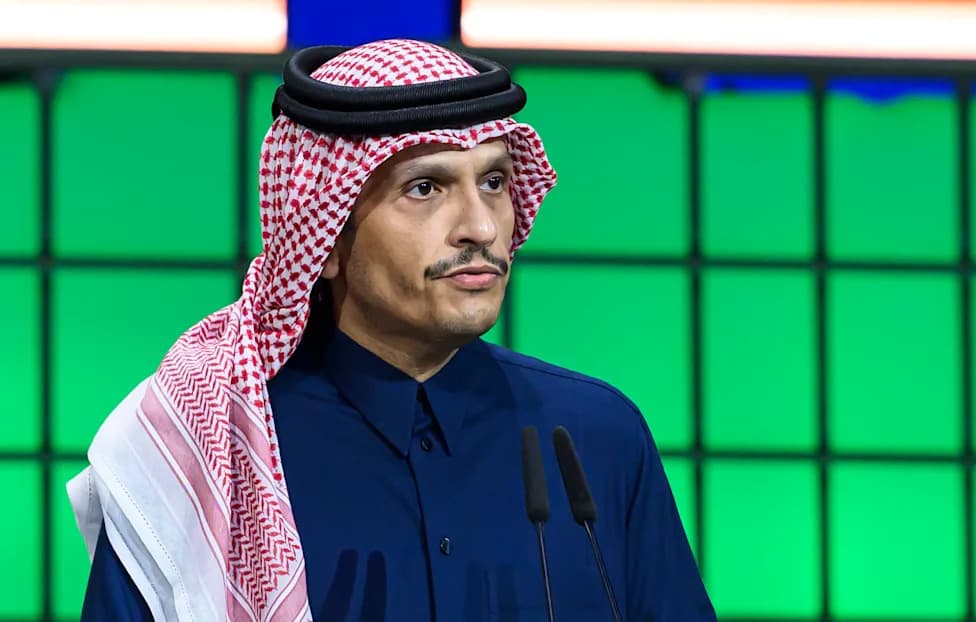
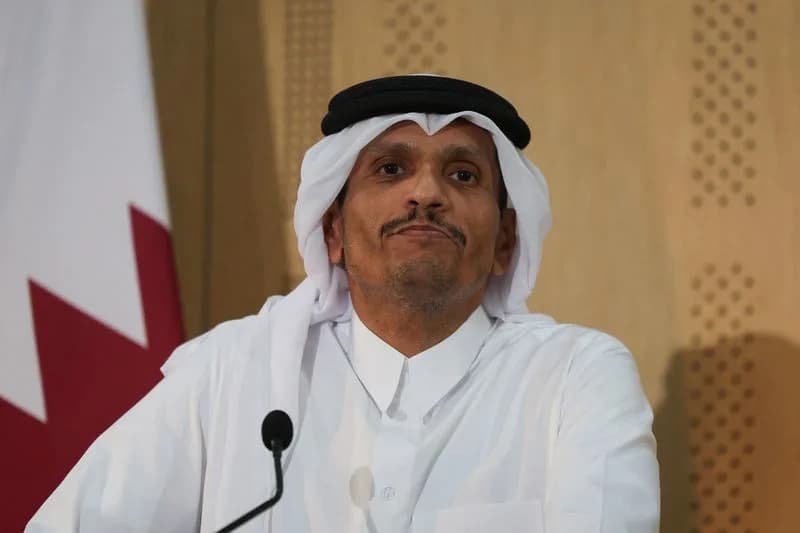
Sheikh Mohammed called on regional countries to respect sovereignty and work to build the trust required to prevent future conflicts. [File: Noushad Thekkayil/NurPhoto via Getty Images]
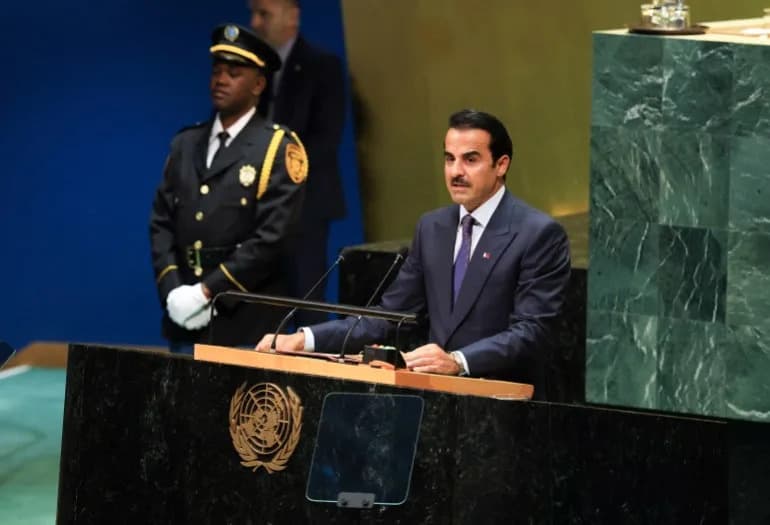
Qatar's Prime Minister Sheikh Mohammed bin Abdulrahman bin Jassim Al Thani warned that the US‑Israel war on Iran has triggered an "earthquake" whose shock waves are reshaping security and economic calculations far beyond the Middle East. Speaking at the opening of the Qatar Economic Forum event held alongside the UN General Assembly in New York, Sheikh Mohammed — who also serves as Qatar's foreign minister — urged states to respect one another's sovereignty as the foundation for lasting regional security.
Economic Fallout: "An Earthquake"
Sheikh Mohammed described the conflict's economic consequences as seismic: disruptions to energy supplies, shipping routes and investment plans have forced a reassessment of what can be relied upon in times of crisis. "During the crisis, almost every conversation began with security and de‑escalation, then turned to energy supplies, shipping routes, and investments," he said. "These were different expressions of the same question: when so much is being disrupted, what can still be relied upon?"
"Permanent security cannot be built through arrangements that leave any state permanently exposed to insecurity. We must address the sources of tensions and build confidence." — Sheikh Mohammed bin Abdulrahman bin Jassim Al Thani
Qatar's Domestic Response: Investment and Resilience
To bolster economic resilience, the prime minister pledged more than $38 billion in Qatari infrastructure spending over the next five years. He framed the program as a signal to private investors and markets that Qatar can withstand regional instability while continuing to develop its economy and infrastructure.
Diplomacy and the UN General Assembly
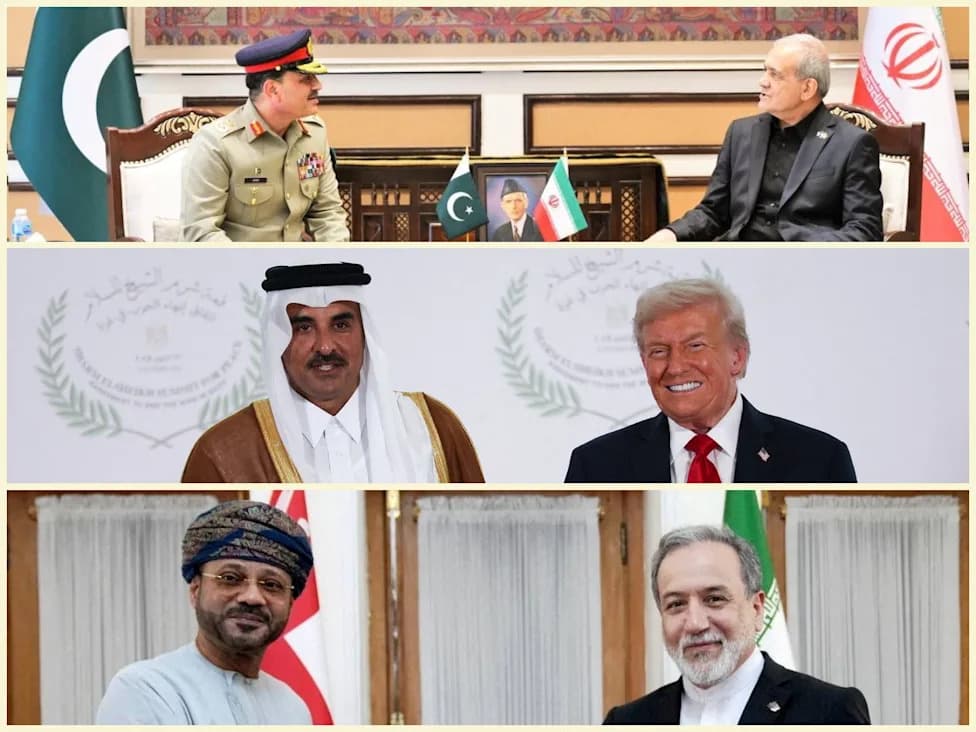
Reporting from New York, Al Jazeera correspondent Kristen Saloomey noted that Sheikh Mohammed's emphasis on sovereignty and de‑escalation is likely to be reiterated when Gulf leaders meet with US President Donald Trump during the UN General Assembly. The PM also highlighted Doha's ongoing mediation efforts: Majed Al‑Ansari, a spokesman for Qatar's Foreign Ministry, told US media that Qatar is working to revive talks between Tehran and Washington aimed at ending the US‑Israel war on Iran.
The UN General Assembly session is expected to place the Middle East and its global ramifications high on the agenda, with regional security, economic fallout and diplomatic options likely to dominate discussions.
Help us improve.