Qatari Prime Minister Sheikh Mohammed bin Abdulrahman bin Jassim Al Thani accused Israeli Prime Minister Benjamin Netanyahu of undermining the Sharm el-Sheikh ceasefire agreement for political gain, saying Israeli forces now occupy over 70% of Gaza and aid deliveries average about 150 trucks daily versus an agreed 600. Al Thani denied that Qatari funds reached Hamas's military wing, stating transfers were coordinated with the UN and Israeli authorities and limited to fuel, vetted family aid, and government salaries. He dismissed the "Qatargate" allegations as "absurd" and criticized Israeli politicians for politicizing Qatar's mediation efforts.
Qatar's PM Says Netanyahu Sabotaged Gaza Peace Deal for Political Gain
Qatar
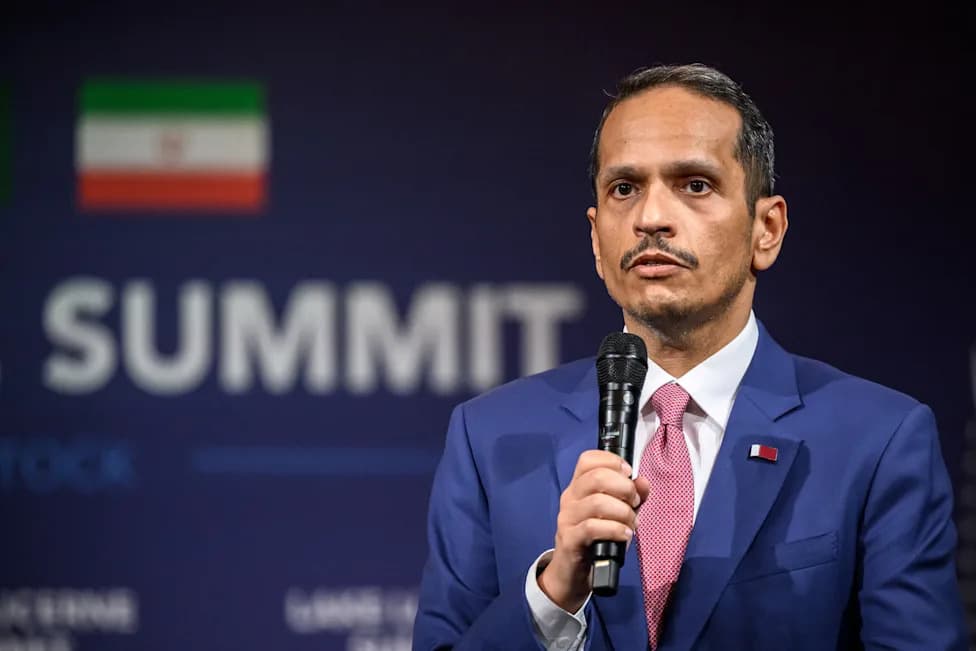
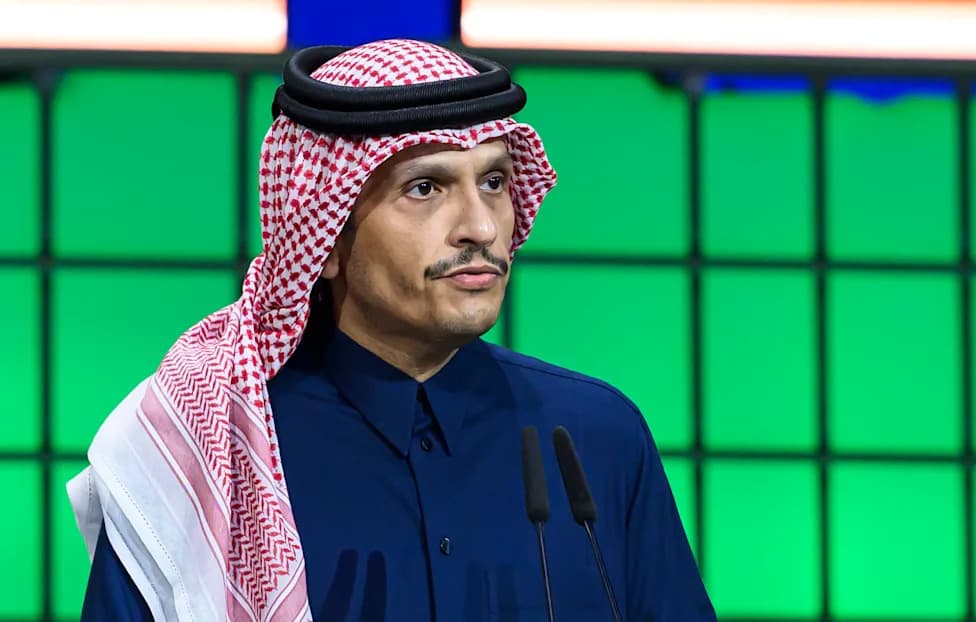
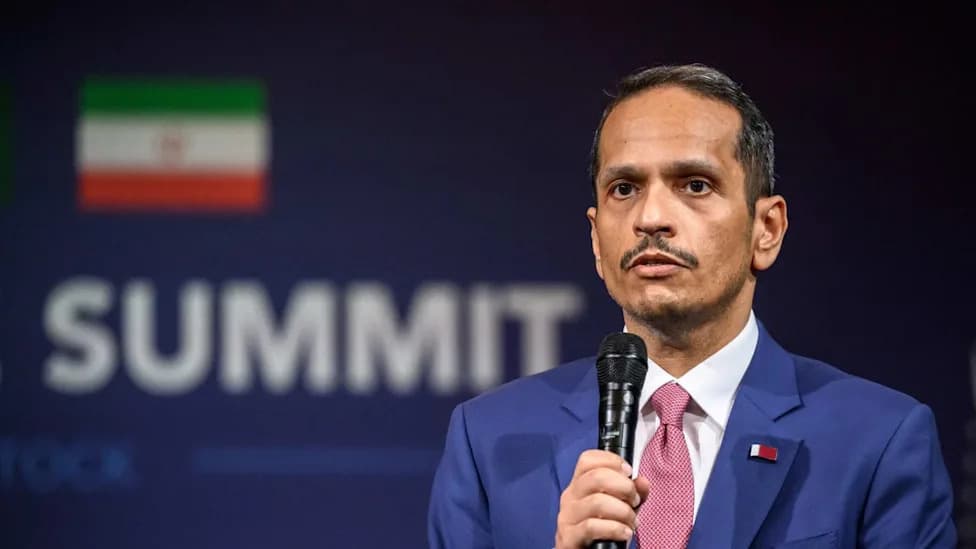
Qatari Prime Minister Sheikh Mohammed bin Abdulrahman bin Jassim Al Thani told CNN's Christiane Amanpour that he believes Israeli Prime Minister Benjamin Netanyahu has actively undermined efforts to secure a lasting ceasefire and the release of hostages in Gaza for "personal political gain."
Al Thani said the setbacks point to "one person's gain"—referring to Netanyahu and his far-right coalition—and argued this dynamic explains much of the failure to implement the deal reached in Sharm el-Sheikh in October 2025. That agreement, mediated by Egypt, aimed to establish a ceasefire and arrange hostage releases between Israel and representatives of Hamas.
Al Thani's Criticisms
He accused Israel of reversing key elements of the Sharm el-Sheikh understanding, asserting that Israeli forces now occupy more than 70% of the Gaza Strip and are continuing operations rather than withdrawing as the agreement required. He also said civilian populations have continued to be targeted despite the ceasefire terms.
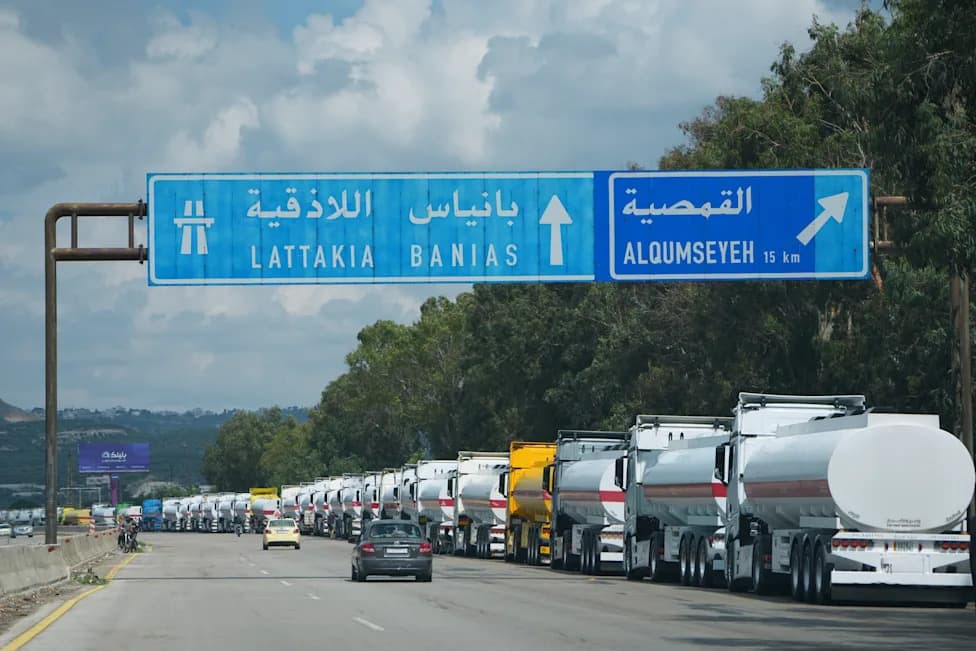
On humanitarian access, Al Thani said Qatar records roughly 150 aid trucks entering Gaza per day on average—well below the agreement's stated minimum of 600 trucks daily.
Qatari Funding: Denial And Clarification
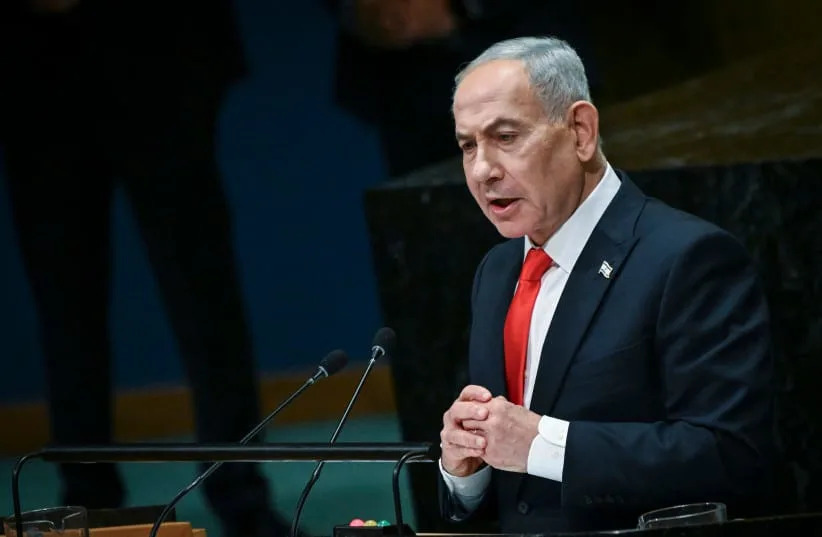
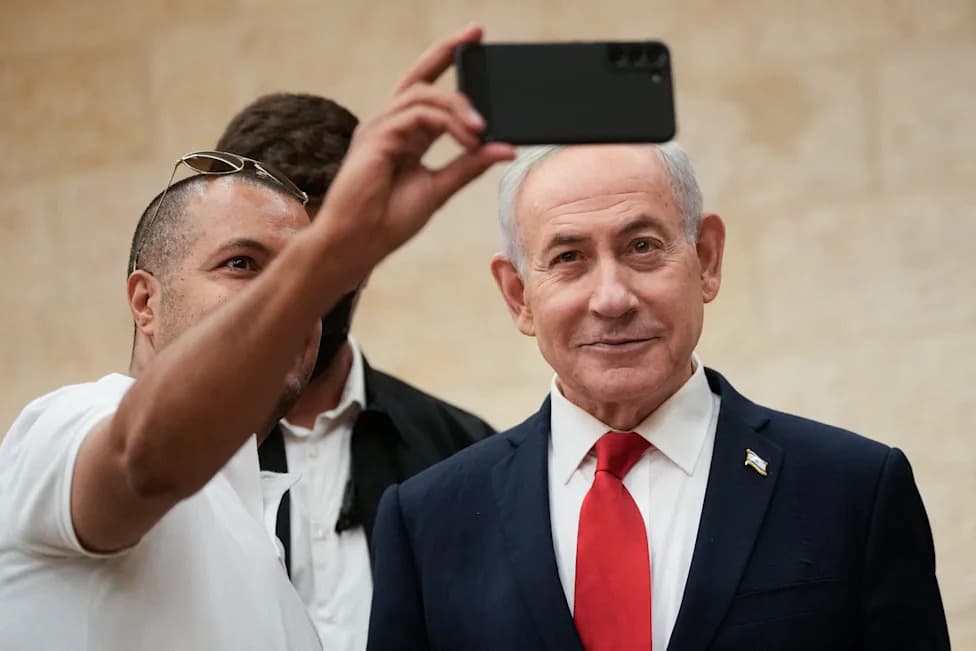
Prime Minister Benjamin Netanyahu speaks at the United Nations in New York City, September 24, 2026. (credit: Arie Leib Abrams/Flash90)
Al Thani strongly denied Israeli allegations that Qatari funds reached Hamas's military wing. "No single penny" from Qatar, he said, has flowed to the group's armed branch, "intentionally or unintentionally." He emphasized that Qatari transfers were coordinated with and approved by the United Nations and Israeli authorities and were restricted to specific, vetted uses: purchasing fuel for Gaza's power plants, distributing cash to an Israeli-approved list of impoverished Gazan families, and paying salaries to Gaza government and civil employees approved by Israeli security services.
He added that most transfers were made at the request of Israeli officials and called reports alleging diversion of funds "baseless accusations."
Qatargate And Political Fallout
Al Thani dismissed the "Qatargate" controversy as "absurd," saying it would have been "the worst investment Qatar has ever made." He criticized some Israeli politicians, including former prime minister Naftali Bennett, for using Qatar as a political scapegoat—despite earlier cooperation with Doha—and accused them of stoking internal divisions for electoral or political advantage.
He concluded by reiterating Qatar's role as a mediator that seeks to de-escalate conflicts in the region and warned that politicizing Doha's mediation risks further instability.
Remarks made in an interview with Christiane Amanpour. Reported figures and claims reflect Al Thani's statements and have not been independently verified in this report.
Help us improve.